Hair braiding

Hair braiding

Hair braiding is a timeless styling technique that combines artistry with practicality - from elegant everyday looks to intricate occasion styles.  It takes your hair off your face, weaving strands into a structured pattern that holds its shape for days without a single heat tool involved. At PIED-DE-POULE, our plaiting hair stylists work across French, Dutch, box, and cornrow techniques, shaping each braid around your hair type and how long you need the style to last. Book at our South Kensington or Oxford Circus salon, open seven days a week from 9am to 9pm.

No Heat Involved

Protects your hair's natural structure

Holds for Days

One style, no daily restyling

Grows Out Gracefully

Still looks good a week in

Fits Any Hair Type

Straight, curly, or textured, all work

What is braiding hair?

Hair braiding is the technique of interweaving sections of hair into a fixed, structured pattern, rather than styling it loose with heat or product. What separates a salon braid from one you’d do at home is the tension and sectioning — each piece is pulled and crossed at a consistent pressure, so the finished shape holds evenly instead of loosening unevenly by evening. Your stylist plans the style at consultation around three things: your hair type, how long you need it to last, and whether it’s for everyday wear or a specific occasion.

Types of Plaiting Hair, From Classic to Statement

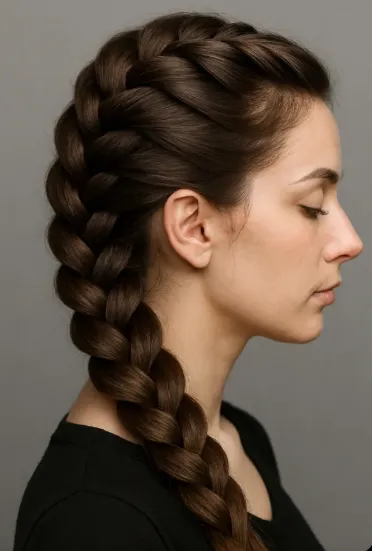
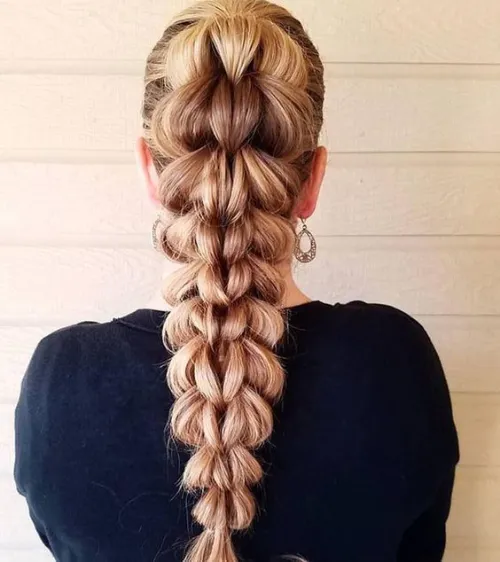
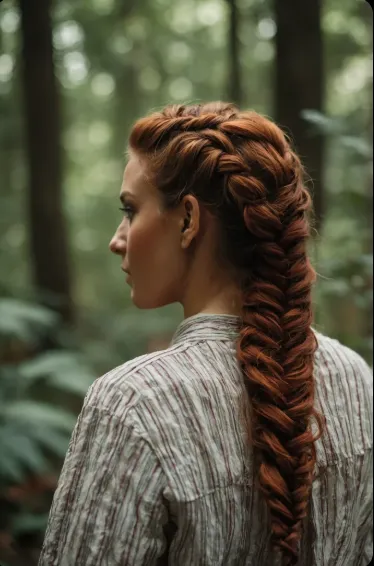
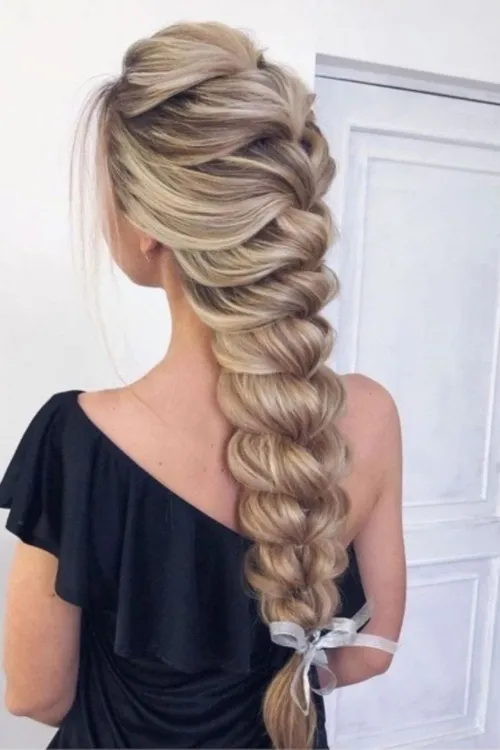
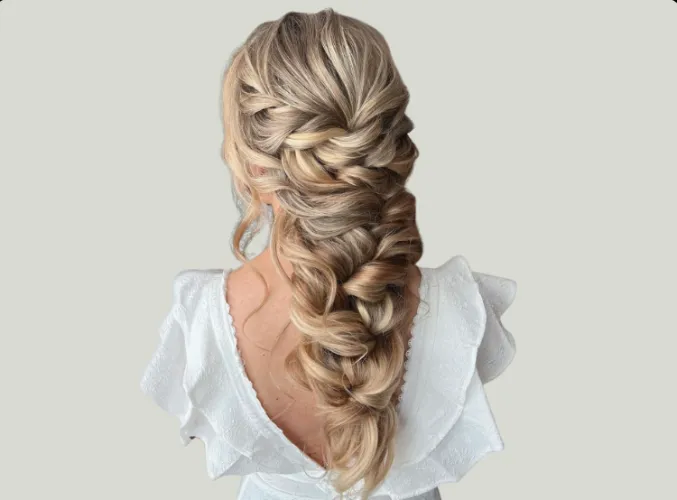
Braid styles fall roughly into three families. Classic plaits — three-strand, French, and Dutch — sit close to the head and suit everyday wear or a quick finishing touch before an event. Protective styles like box braids and cornrows section the whole head and are built to last for weeks rather than days. Statement styles bring in accessories, beads, or a mix of thick and thin sections for something more deliberately eye-catching, and often pair well with a fresh set of highlights applied beforehand for extra dimension through the parting.

How Long a Braiding Appointment Takes

A single French or Dutch braid takes around 30 to 45 minutes from start to finish. A full protective style built from many small sections runs closer to two to four hours, since each one is sectioned and braided individually. If your own length is on the shorter side for the style you want, hair extensions can be added in beforehand to give the braids more to work with.

Who Braiding Suits Best

This service works well for anyone who wants their hair out of the way without giving up on style — school mornings, gym weeks, or a stretch of travel where daily styling isn’t realistic. It also earns its place as a break from heat and colour, giving strands time to recover between more intensive salon visits. Finish the visit with a manicure if you’re heading somewhere afterward and want the full look done in one sitting.

Read More

How to Plait Braid Your Hair at PIED-DE-POULE

01
Consultation

Your stylist discusses the style you want, your hair type, and how long you need it to hold, then flags anything worth doing first, like adding extensions for extra length.

02
Hair Preparation

Hair is washed and fully detangled, since knots left in at this stage make sectioning harder and pull uneven later.

03
Sectioning

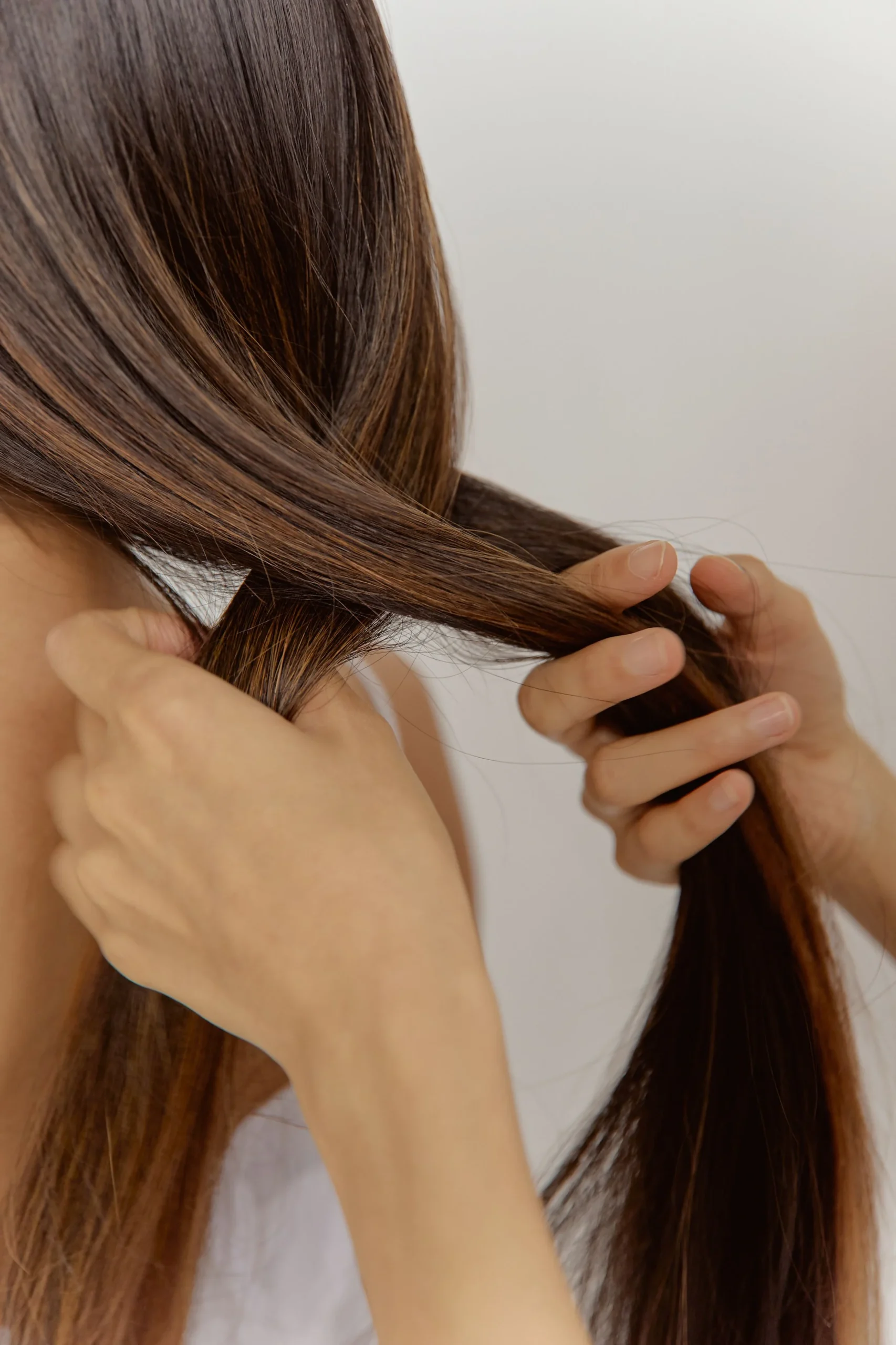
Hair is divided into clean, even sections, sized to match the braid style — fine for cornrows, larger for a simple three-strand plait.

04
Braiding

Each section is woven at a consistent tension, working from root to end so the pattern stays uniform across the whole head.

05
Finishing and Securing Ends

Ends are sealed or tied off so the braid doesn't unravel, and any accessories are added at this stage.

06
Aftercare Advice

Your stylist talks through how to protect the style overnight and how long you can expect it to hold before it needs redoing.

Service Results

Hair prepared for an event using hair braiding.
A stylish look completed with hair braiding.
Professional styling with elegant hair braiding.
A finished hairstyle featuring hair braiding.

Time to preen your feathers

Book an appointment

Treatment Benefits

A refined appearance created with hair braiding.
  • PROTECTED LENGTH

    Ends stay tucked into the braid instead of exposed to daily friction, so hair holds onto length instead of thinning at the tips.

  • REDUCED BREAKAGE

    Sections are secured under even, controlled tension rather than pulled tight at random points, so the hair shaft takes less daily strain from brushing and handling.

  • NO HEAT DAMAGE

    The shape comes from interweaving strands rather than from heat tools, so the hair's natural structure stays intact underneath the style.

  • LASTING HOLD

    Tightly woven sections keep their pattern without restyling, so the look holds for days instead of needing to be redone each morning.

FAQ

  • What is plaiting hair?

     Plaiting is the same technique as braiding — interweaving three or more strands into a structured pattern. The two words are used interchangeably in the UK, so “plait” and “braid” describe the same result.

  • What's the difference between hair braids and plaits?

     There isn’t one technically — both terms describe interwoven strands, though “plait” is more common in everyday British English and “braid” tends to show up in style names like box braids or fishtail braids. Your stylist will use both words for the same styles.

  • What are the types of plaiting hair?

    Classic plaits sit close to the head for everyday wear, protective styles like box braids and cornrows section the whole head for weeks of hold, and statement styles add beads or accessories for something more decorative. Which one suits you comes down to how long you want it to last and how much time you can give it at the chair.

  • How do you plait braid your hair so it actually lasts?

    Even tension across each section is what makes a braid hold, along with hair that’s been fully detangled before you start rather than braided over knots. A silk or satin scarf at night protects the style far better than cotton, which pulls at the edges as you sleep.

  • Is plaiting hair bad for your hair?

    Done at the right tension, it’s a protective style that reduces daily breakage rather than causing it. Braided too tightly or left in too long, it can pull at the hairline, which is why most protective styles are recommended for six to eight weeks at most.

  • What's trending in braids for 2026?

     Knotless techniques are leading this year, starting the braid from your natural hair and adding extensions gradually so there’s less tension at the root. Boho styles with loose, curly pieces left out, and statement hair accessories like claw clips and beads, are the other big theme running through most of 2026’s braid looks.

  • What braid style lasts the longest?

    Box braids and cornrows are among the longest-lasting styles, typically holding for several weeks with proper care.

  • What kind of hair is best for braiding?

    This style works well on most hair types – straight, wavy, curly, and textured hair can all achieve beautiful results.

  • Language:
  • Choose a location:
    Book Now