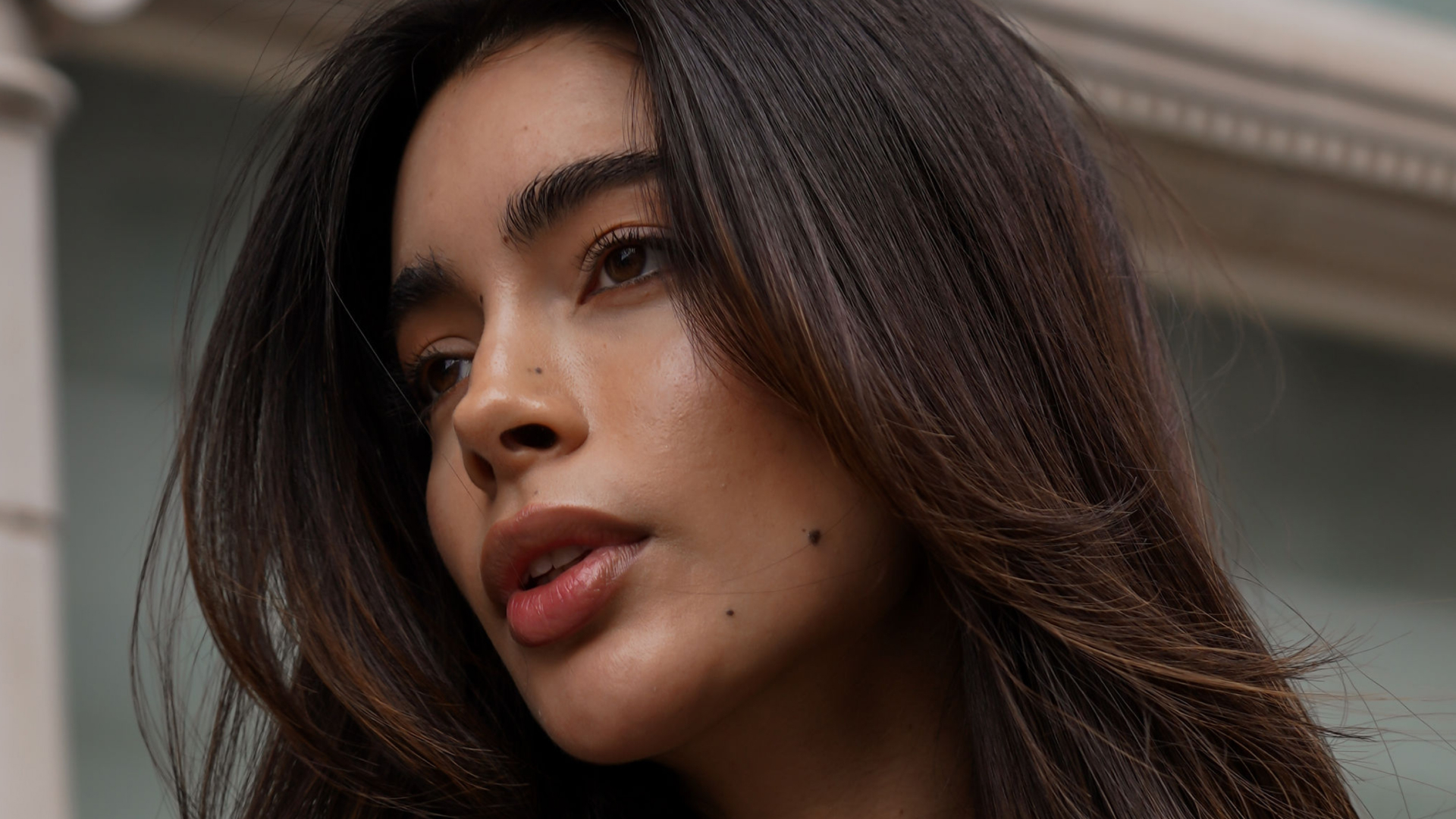
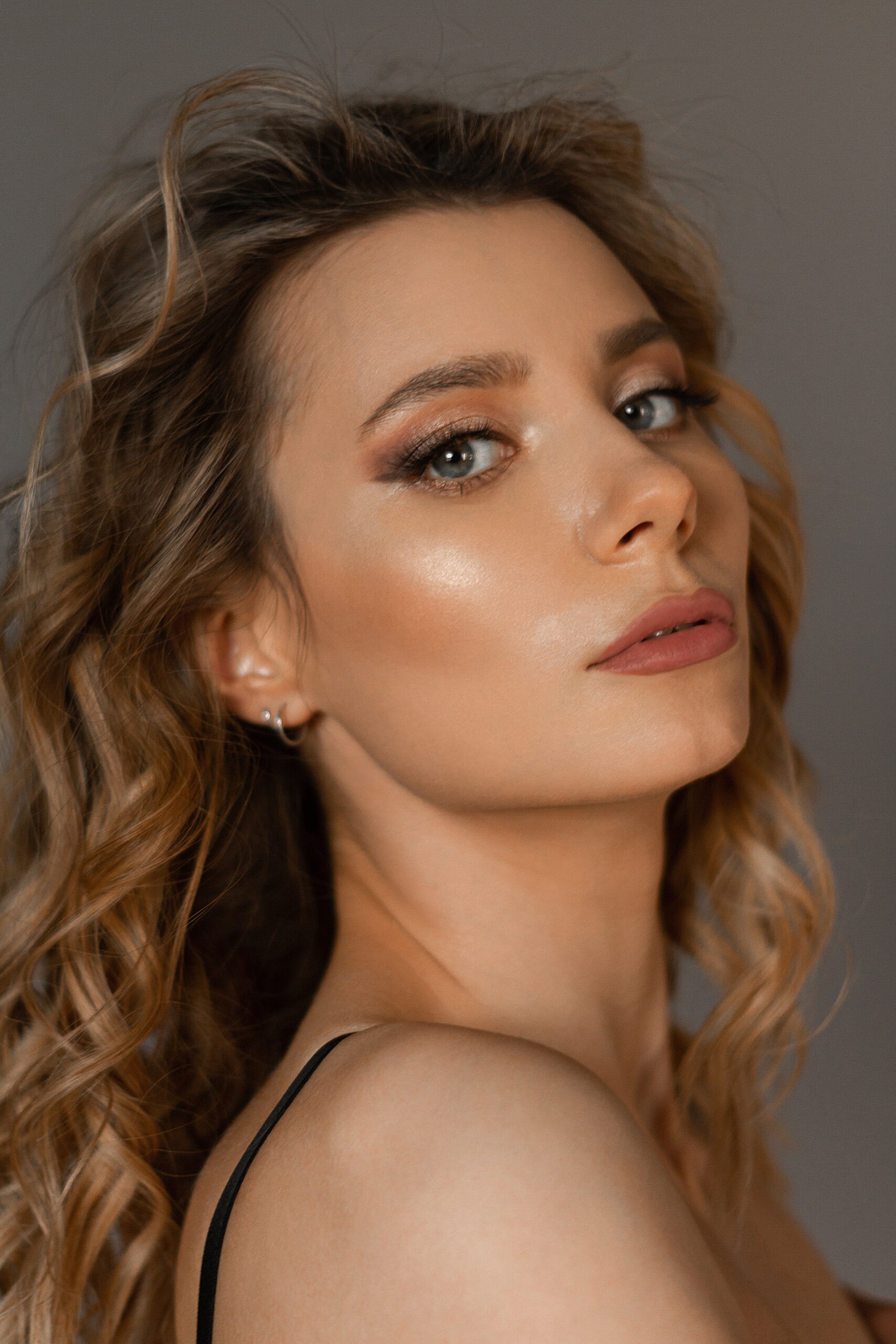
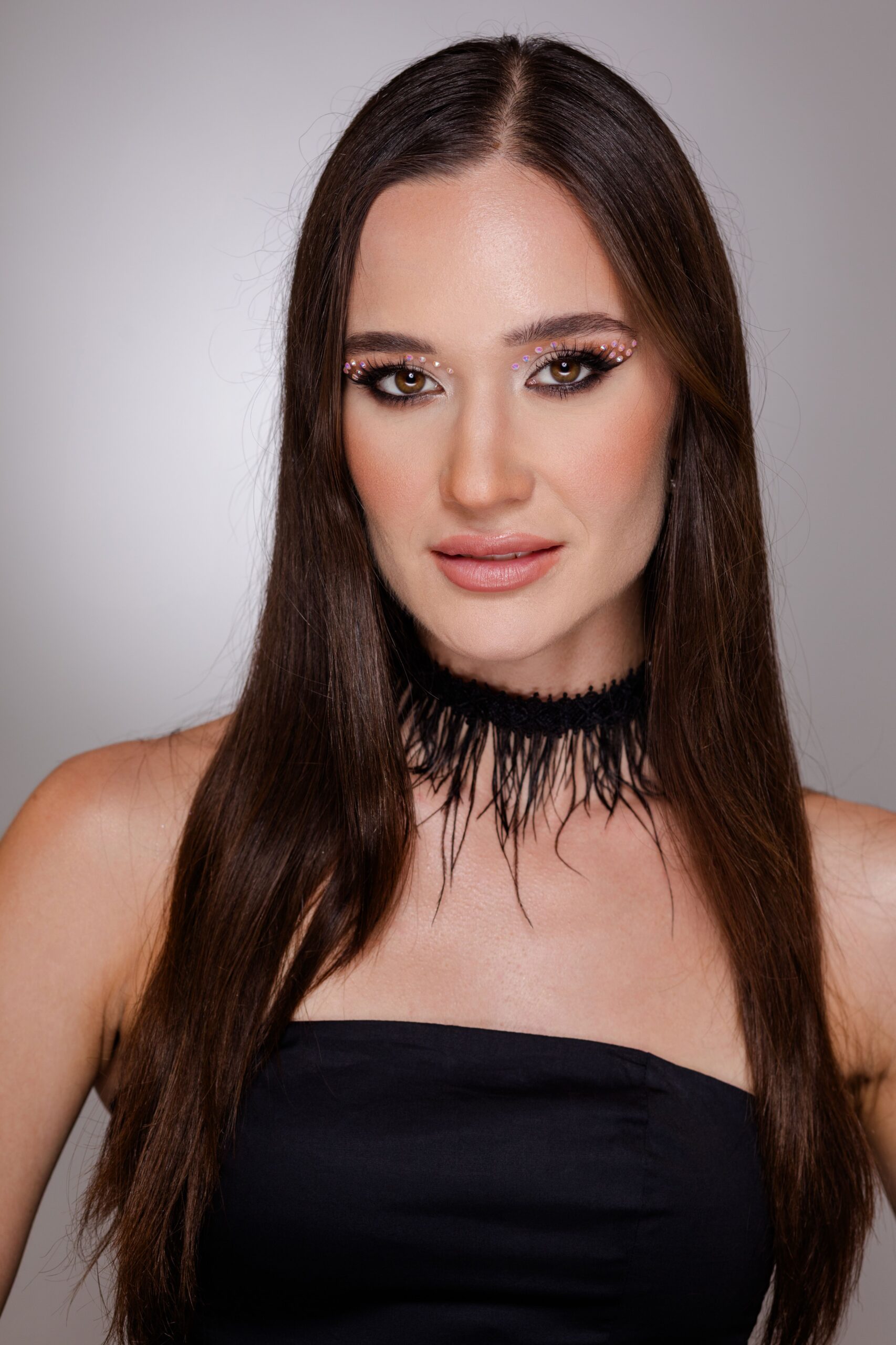
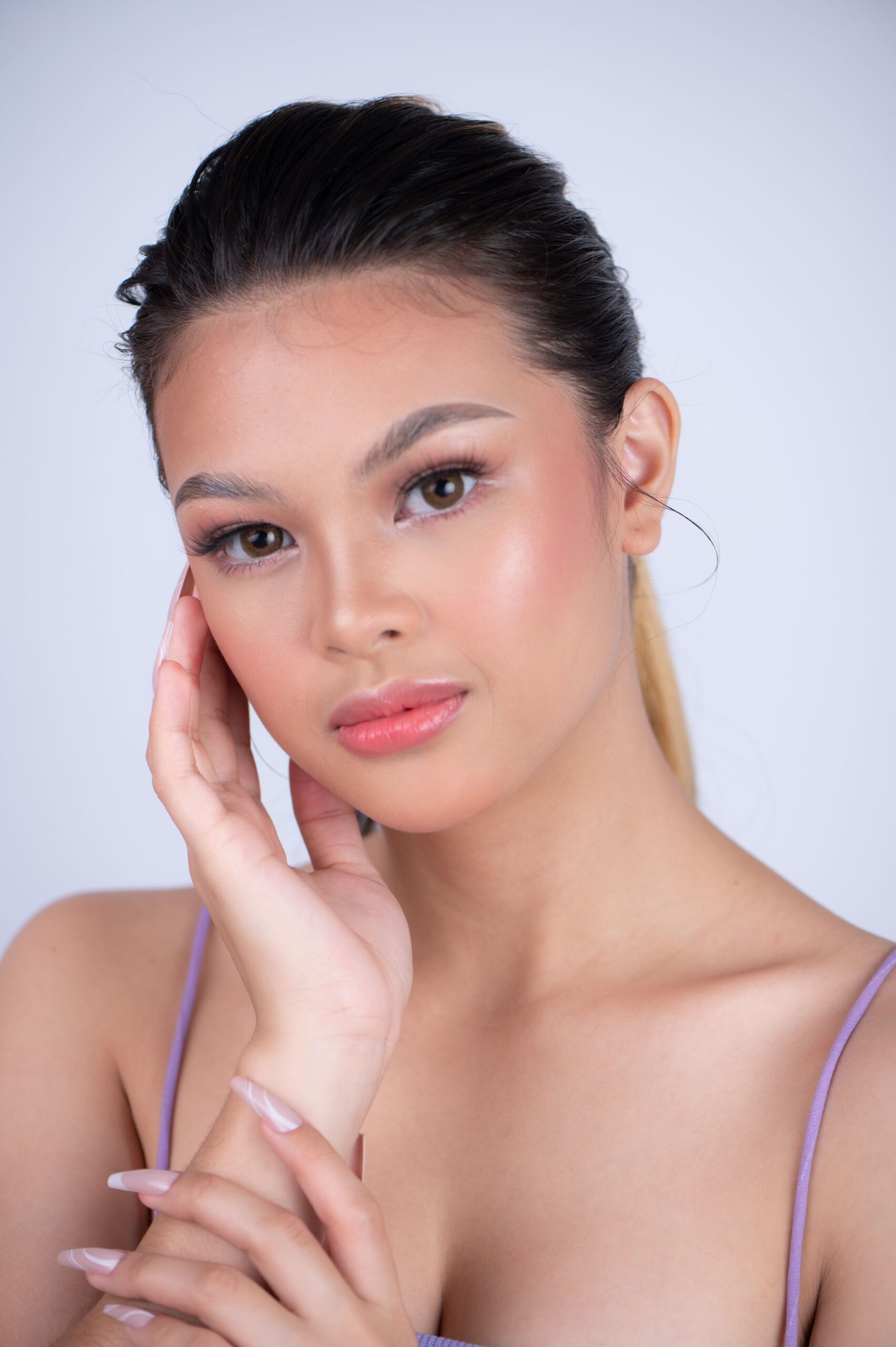
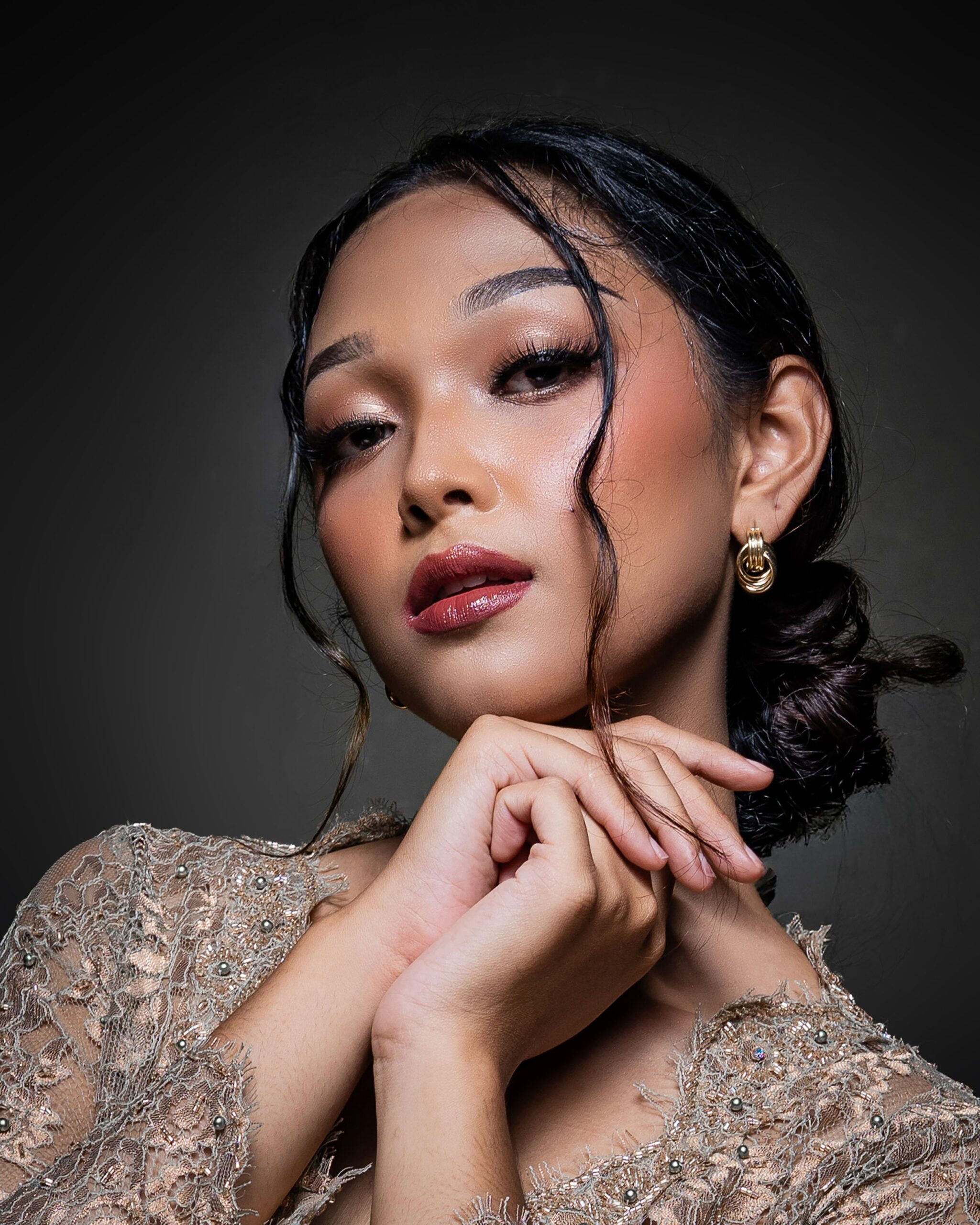
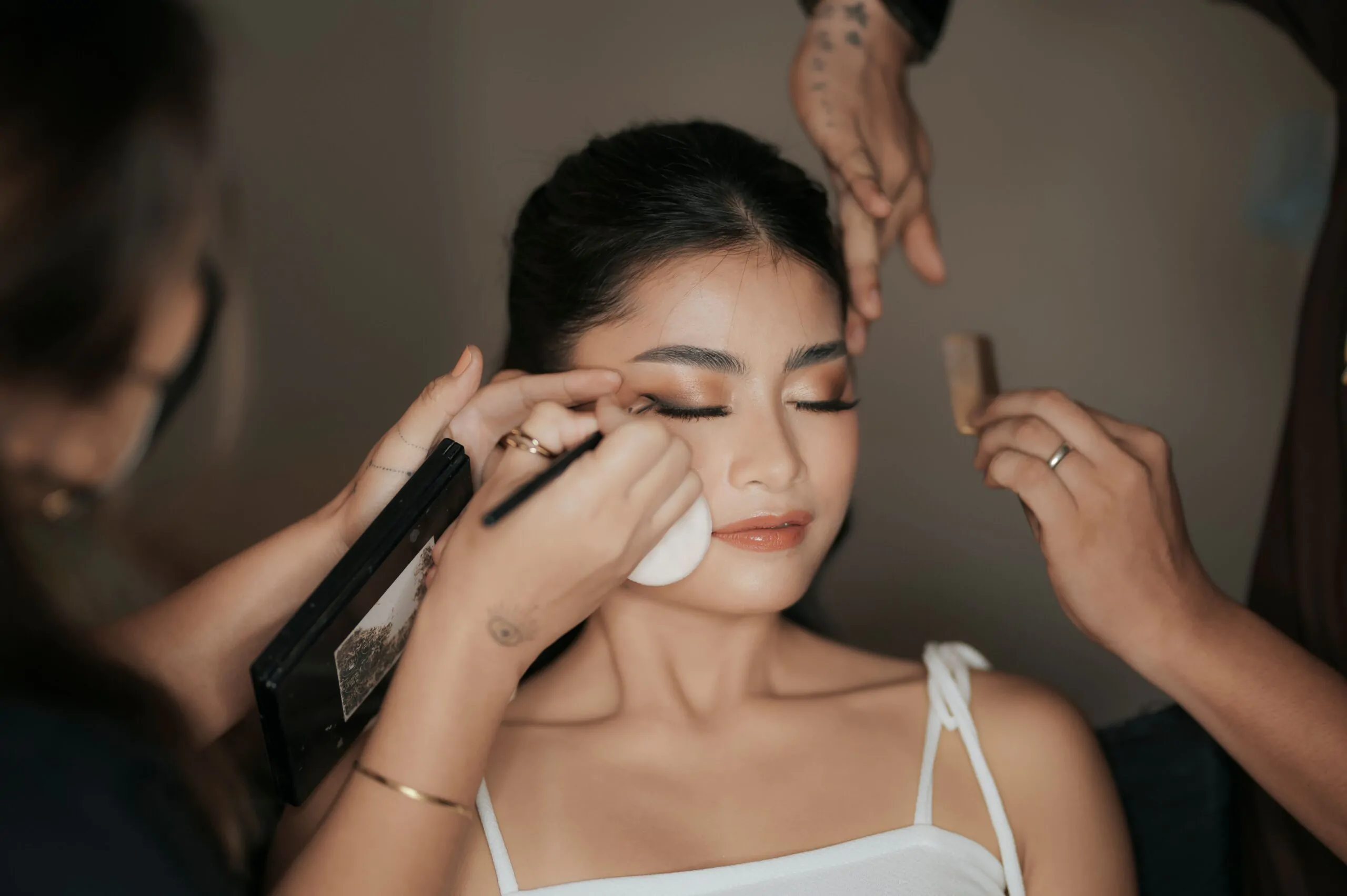
There’s a difference between makeup you do yourself every morning and what a makeup artist does — and it’s not really about skill, it’s about distance. You’ve been doing your own face the same way for years, often without noticing how your features have shifted or how your skin has changed. A makeup artist looks at your face fresh, accounts for the lighting you’ll be under, and builds a look that’s right for that specific day rather than habit.
When You’re Most Likely to Need One
- Family events — weddings, birthdays, christenings, and similar occasions where you’ll be photographed for years afterward
- Photo shoots, including thematic or seasonal shoots where the makeup needs to match a concept or setting
- Public speaking — conferences, presentations, or any appearance where you’ll be seen up close and under bright lighting
Beyond specific events, some clients book a session simply to see their face from a different angle, with a professional eye picking up on small adjustments that habit tends to miss.
What a Makeup Artist Brings That Self-Application Doesn’t
A makeup artist works with knowledge that’s hard to build on your own: which textures hold up under studio lighting versus daylight, where shine needs to be controlled to avoid glare in photos, and how colours shift under different types of light. Professional, hypoallergenic products from established brands are chosen specifically for durability and anti-reflective finish, which matters most at any event where photos are involved. The result is a look that doesn’t fade, shift, or need constant checking in a mirror.
How the Look Gets Built
For events booked in advance, the artist takes time to understand your face shape, skin tone, hair, and even how you move and carry yourself, since the same look reads differently on different people. For photo shoots specifically, the location and overall styling are factored in too, so the makeup sits naturally within the frame rather than standing apart from it. Most clients arrive with a rough idea of what they want, and the artist’s role is to refine that vision or gently steer it toward something that will actually work for the occasion and the lighting.
Services Often Booked Alongside Makeup
A finished look rarely stops at the face. Brows often need attention before a big event — shaping or eyebrow lamination keeps them defined and camera-ready for weeks rather than just the day. Lashes are another common addition: eyelash extensions reduce how much mascara and liner the look needs, which helps keep things simple under bright lighting. If hair is being styled for the same occasion, booking hairstyles alongside the makeup appointment means both are planned together rather than as separate decisions.
The Range of Looks Available
Natural, daytime, evening, cocktail, and bridal styles are all available, each suited to a different type of occasion and lighting condition — daytime looks read naturally under daylight, while evening looks are built to hold under artificial lighting without melting or shifting through the night.