Anti-Cellulite Massage

Anti-Cellulite Massage

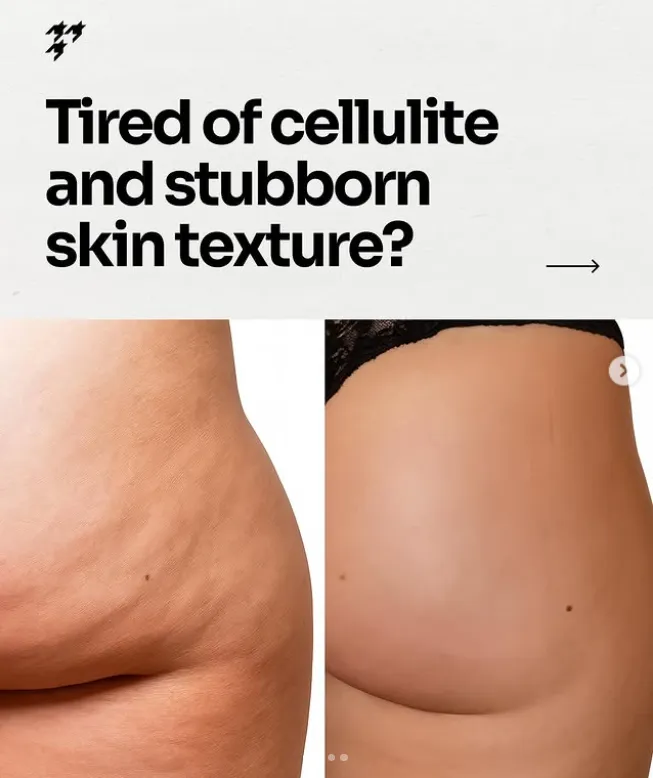
Anti-cellulite massage is a deep, manual body treatment that works the subcutaneous layer — breaking up stagnant fluid, softening the fibrous tissue that pulls skin into dimples, and driving circulation back into congested areas. It suits people who notice persistent texture on their thighs, hips, or stomach regardless of how active they are, or those whose legs feel heavy and puffy by the end of the day. PIED-DE-POULE offers anti-cellulite massage treatment at its South Kensington location, seven days a week from 9am to 9pm.

Smoother Skin

Visibly reduced dimpling after a course of sessions

Lighter Legs

Fluid drains, heaviness lifts noticeably

Firmer Contours

Skin feels tighter, more defined to the touch

Better Circulation

Warmth returns, skin looks more even and alive

What Is Anti-Cellulite Massage?

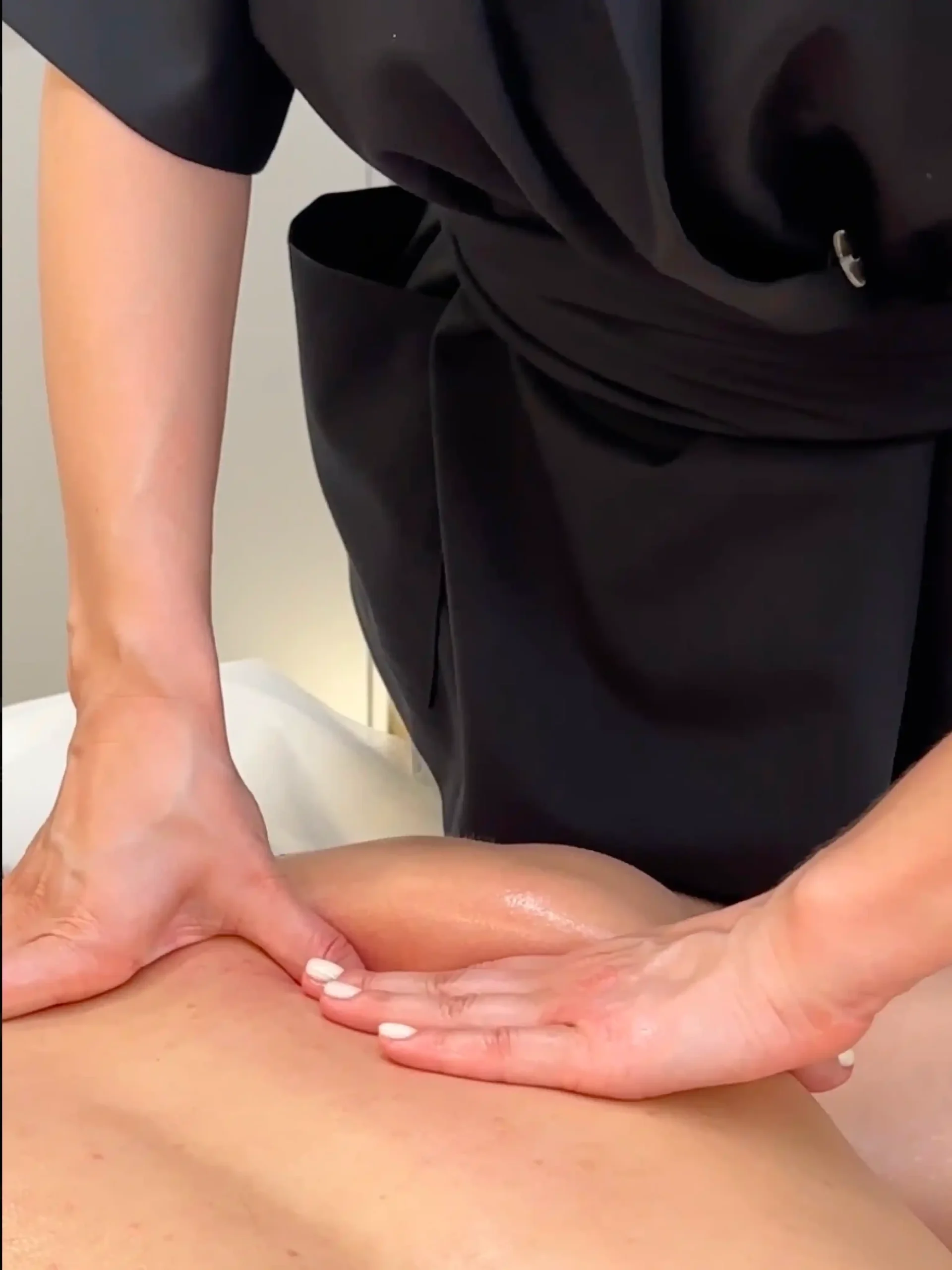
Anti-cellulite massage is a deep manual body treatment that works the subcutaneous layer — applying sustained pressure, friction, and rhythmic compression to break up fluid congestion, soften the fibrous tissue that pulls skin into dimples, and restore circulation to areas where it has stalled. It is more intensive than standard body massage and produces cumulative results: skin texture improves, puffiness reduces, and the treated areas feel noticeably firmer over a course of sessions.

If you want to understand why cellulite forms and what drives it, our guide How to Get Rid of Cellulite covers the full picture.

How Anti-Cellulite Massage Works

The lymphatic system clears waste and excess fluid only when movement or external pressure forces it through. Anti-cellulite massage techniques — kneading, skin rolling, cupping strokes, deep effleurage along drainage pathways — provide exactly that mechanical stimulus. Each session mobilises stagnant fluid, breaks down congestion in the connective tissue, and drives oxygenated blood back into areas that have been sitting underserved. The skin responds by becoming more pliable, more even in texture, and visibly less dimpled.

The pressure is significantly higher than in relaxation work. Clients who add lymphatic drainage massage to their course often see faster progression — drainage sessions clear the pathways that anti-cellulite work relies on to move fluid out.

When The Treatment Helps

Anti-cellulite massage treatment produces the clearest results for:

  • Persistent dimpling on the thighs, hips, buttocks, or stomach that exercise alone does not shift
  • Legs that feel heavy or puffy by the end of the day
  • Skin that has lost firmness after hormonal changes, pregnancy, or significant weight fluctuation
  • Skin that has sagged or lost density following rapid weight loss
  • Localised swelling or chronic fluid retention that makes limbs feel congested
  • Clients using body-firming topicals who want manual work to deepen absorption and compound the effect

This is not a weight-loss treatment. It reshapes skin texture and improves tissue quality — measurable changes that build over a course, not a single session. Clients carrying more than 5 kg of excess weight tend to see stronger results if they address that first; the massage works on skin structure, not on underlying volume.

How It Differs from Other Body Massage

Standard body massage works the muscles. Anti-cellulite massage works the layer beneath the skin — targeting the fat deposits and connective tissue that create surface irregularity. The strokes are slower, more deliberate, and applied with significantly more friction. Clients familiar with deep tissue massage will recognise the pressure level, but the direction of the work is different: deep tissue follows muscle fibres, anti-cellulite techniques follow lymphatic pathways and connective tissue planes.

The sensation is more intense and more localised. Mild warmth and temporary redness in the treated area are normal and indicate the tissue is responding.

Types of Anti-Cellulite Massage

Anti-cellulite massage is performed either manually or with specialist equipment. The two approaches differ in how pressure is delivered and how deep the effect reaches.

Manual techniques:

  • Hands-on massage without product — the therapist works directly on the skin, using pressure and friction to mobilise tissue and stimulate drainage
  • Massage with anti-cellulite cream or oil — the same manual work with an added topical component; active ingredients penetrate deeper because the tissue is already warm and receptive
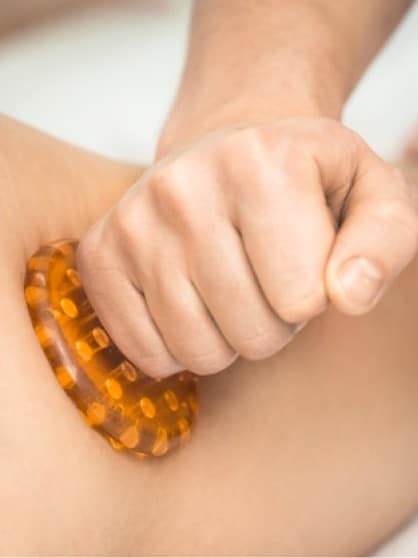
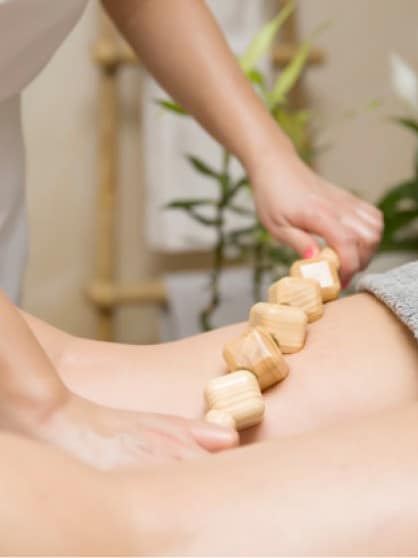
  • Vacuum cup massage — cups are placed on the skin to create suction, lifting the tissue from below and increasing pressure in congested areas without direct hand pressure

Machine-based techniques:

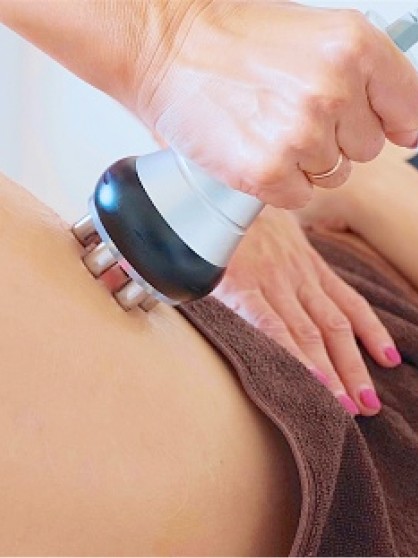
  • Roller massage — mechanical rollers move across the body to knead and compress the subcutaneous layer across larger surface areas
  • Pneumatic compression — inflatable garments apply rhythmic pressure in a set sequence to push fluid through the lymphatic system
  • Mechanical vacuum — device-driven suction applied across broader zones, similar in principle to cup work but operated at fixed intensity

Generally, anti-cellulite massage is performed manually. The therapist selects techniques — including cup work where appropriate — based on what the tissue needs in that session, rather than following a fixed mechanical sequence.

Results and Timeframe

The treated area feels warmer, softer, and less congested after a single session. Visible improvement in skin texture accumulates over a course — most clients see meaningful change after six to eight sessions spaced one week apart, then maintain with two to four sessions per month.

Sessions run at 60 minutes for one or two focused zones, and 90 minutes for full coverage of the legs, hips, and abdomen. A course of six sessions is the standard recommendation. The 90-minute format suits clients already working on body composition with a body contouring treatment who want to fold targeted anti-cellulite work into the same appointment.
Read More

How Anti-Cellulite Massage Is Performed In Salon

01
Consultation

The therapist reviews your areas of concern, skin condition, and any contraindications before the session begins. This shapes the pressure level, technique selection, and the specific zones addressed during treatment.

02
Preparation

You settle onto the treatment table with the area to be worked fully exposed. A specialist anti-cellulite oil or cream is applied to reduce friction on the skin surface and support tissue penetration during deeper strokes.

03
Lymphatic Opening

The session begins with lighter effleurage strokes toward the nearest lymph nodes — groin, abdomen, or axillary nodes — to open the drainage pathways before deeper work begins. This prevents fluid from being mobilised with nowhere to go.

04
Deep Tissue Work

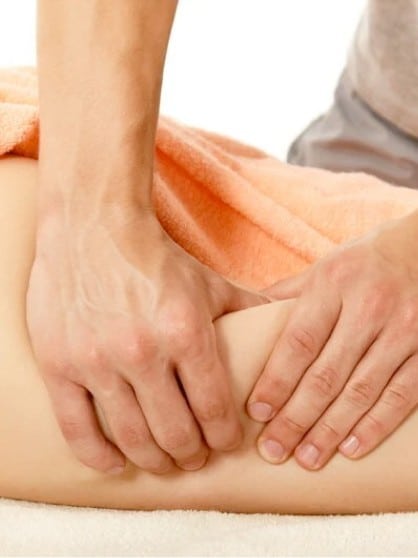
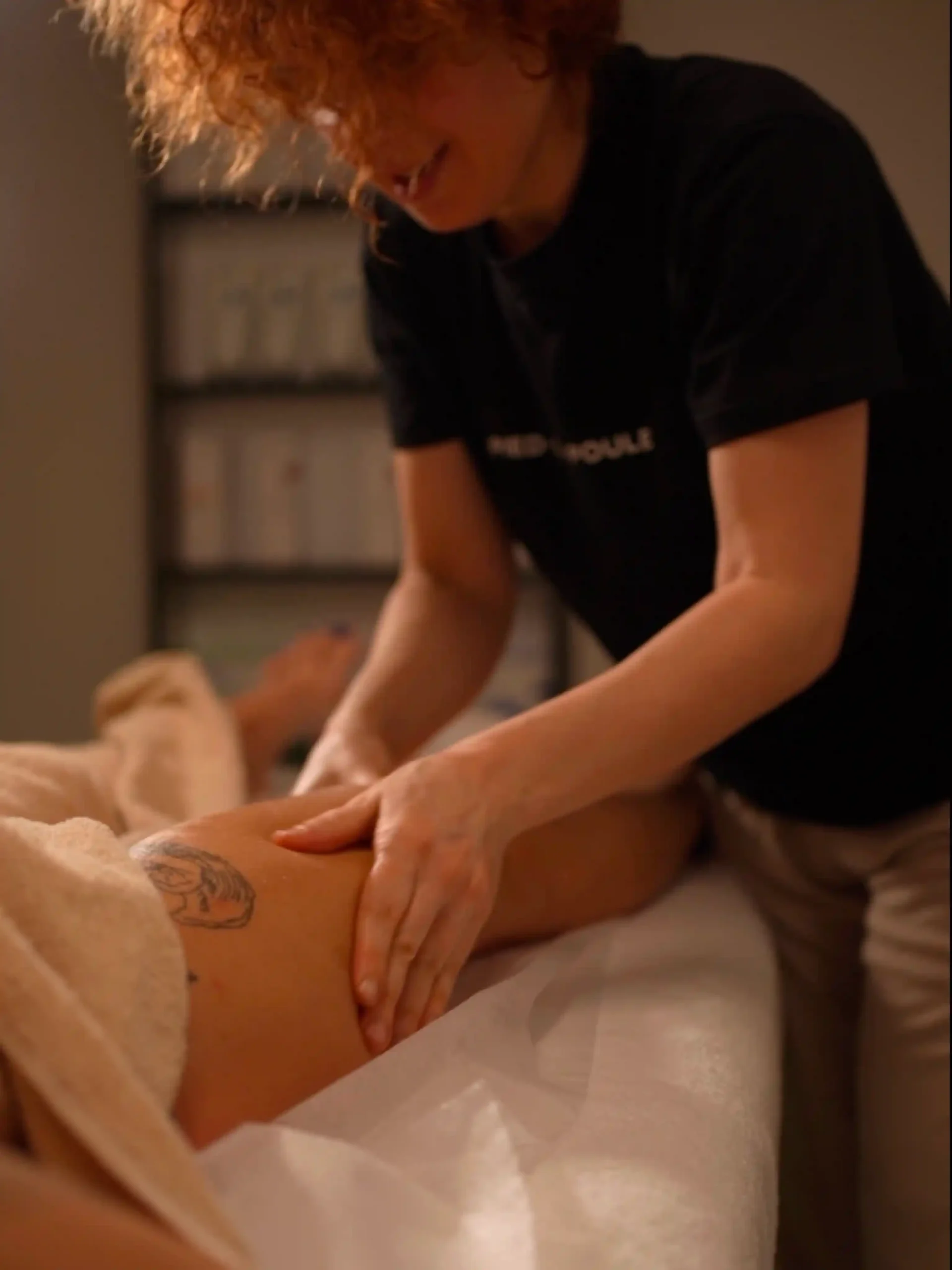
The therapist works through the full sequence of anti-cellulite massage techniques: deep kneading, skin rolling, cupping strokes, and friction along problem zones. Pressure is firm and intentional. Some clients find this stage intense; the therapist adjusts to your tolerance throughout.

05
Closing and Cool-Down

The session ends with slower, lighter strokes to calm the tissue, encourage final lymphatic clearance, and let the skin settle. You are given a few minutes to rest before getting up.

06
Aftercare and Course

Planning The therapist outlines what to expect over the next 24 to 48 hours — possible mild redness, warmth, or increased need to urinate as fluid clears — and recommends a session frequency based on your skin's response. A course of six sessions is standard for clients starting treatment.

What to expect

anti-cellulite massage treatment photo 1
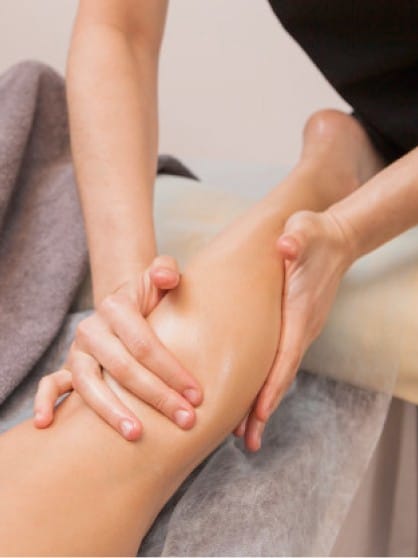
anti-cellulite leg massage with cups
massage anti-cellulite with roller
massage for cellulite in London at PIED-DE-POULE
Anti-cellulite massage mechanic photo 5

Time to preen your feathers

Book an appointment

Anti-Cellulite Massage Benefits

anti cellulite massage before after
  • Lymphatic Activation

    Your body holds excess fluid in the tissue — this is what creates that puffy, uneven look. The massage pushes it through, and the heaviness lifts.

  • Dimples Flatten From Below

    Cellulite happens because fibrous bands pull the skin downward. Deep kneading and skin rolling loosen those bands, so the surface stops being dragged in.

  • Circulation Increase

    Areas affected by cellulite often have sluggish circulation — skin looks grey or flat. Friction and pressure bring fresh blood back in, and you can see the difference immediately after the session.

  • Fat Cell Mobilisation

    Sustained pressure on congested fat deposits breaks up their concentration, reducing the lumpy, uneven texture that sits just under the skin.

  • Skin Elasticity Improvement

    Regular mechanical work on the tissue stimulates collagen production in the skin. It takes a few sessions, but the skin gradually holds itself better and feels more resilient.

  • Nervous System Reset

    The intensity of the work triggers a deep physical release — not just in the treated area. Muscles soften, the body settles, and most clients notice they feel unusually calm and loose after the session.

FAQ

  • What is an anti-cellulite massage?

    It is a manual body treatment that uses deep kneading, skin rolling, and friction techniques on the subcutaneous tissue to break up congested fluid, soften fibrous connective tissue, and improve circulation in areas affected by cellulite.

  • Do anti-cellulite massages work?

    Yes, with realistic expectations. Research and clinical practice both confirm that regular anti-cellulite massage treatment improves skin texture, reduces the appearance of dimpling, and decreases fluid retention — but results accumulate over a course of sessions, not in one appointment.

  • Can a body massage get rid of cellulite?

    No standard relaxation massage will produce the same results. Cellulite requires specific anti-cellulite massage techniques applied at depth — the pressure and methods used are substantially more intensive than those in a Swedish or relaxation massage.

  • How often should you massage cellulite?

    Once a week for a course of six to eight sessions is the most effective starting schedule. After the initial course, two to four sessions per month maintains results.

  • Is the treatment painful?

    The pressure is firm and the work goes deep, so some intensity is normal — especially in areas with significant congestion. Most clients describe it as strong but manageable. The therapist adjusts throughout the session.

  • Are there any contraindications?

    Anti-cellulite massage is not performed over broken or inflamed skin, active dermatitis, varicose veins, or during pregnancy or breastfeeding. Clients with cardiovascular conditions should consult their GP before booking. If you have a known allergy to any massage oils or cosmetic ingredients, let the therapist know at consultation — product selection can be adjusted.

  • How many sessions do I need before I see results?

    Most clients notice a change in skin feel after the first session and visible improvement in texture after three to four. The clearest, most lasting anti-cellulite massage benefits typically emerge after a full course of six.

Photo reviews

  • massage for cellulite london
  • anti cellulite massage
  • massage for cellulite
  • anti cellulite massage treatment
  • anticellulite_massage-5
  • massage for cellulite london
  • anti cellulite massage
  • massage for cellulite
  • anti cellulite massage treatment
  • anticellulite_massage-5
  • Language:
  • Choose a location:
    Book Now