Lymphatic Drainage Massage

Lymphatic Drainage Massage

Lymphatic drainage massage is a gentle, rhythmic treatment that helps your body clear excess fluid, reduce puffiness, and move more freely. It suits anyone who feels heavy or bloated, is recovering after a cosmetic procedure, or simply notices that their body holds fluid — in the legs, face, or abdomen. PIED-DE-POULE offers this treatment at our South Kensington location, with appointments available seven days a week.

Visible Reduction in Puffiness

Face, legs, and hands look and feel less swollen after one session

Lighter, Less Congested Body

That heavy, waterlogged feeling clears within hours of treatment

Sharper Immune Response

A freely moving lymphatic system filters pathogens faster and more effectively

Faster Post-Procedure Recovery

Bruising and swelling resolve more quickly after cosmetic or surgical procedures

What Is Lymphatic Drainage Massage?

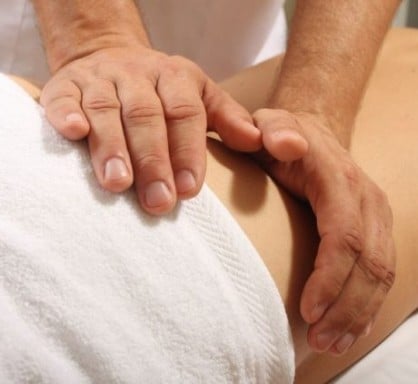
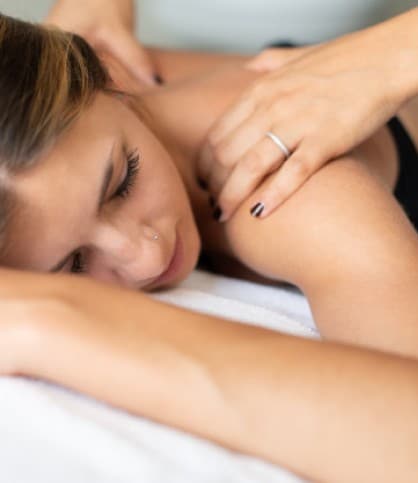
Lymphatic drainage massage is a gentle, hands-on treatment that helps your body move fluid it has been holding onto. Using slow, light strokes — far softer than in a classic or deep tissue massage — a therapist works along the body’s natural drainage pathways to shift excess lymph fluid toward the lymph nodes, where it gets filtered and cleared.
The lymphatic system has no pump of its own. Unlike blood, which the heart keeps moving, lymph fluid relies on movement, breathing, and manual stimulation. When it slows down — due to inactivity, stress, surgery, or illness — fluid accumulates in the tissues and you start to notice it: swollen ankles, a puffy face in the morning, heaviness in the legs, skin that looks dull.

Does lymphatic drainage work and How Is It Different?

Most massage works on muscle — releasing tension, improving mobility, easing pain. Lymphatic drainage works on fluid. The pressure is deliberately light because the lymphatic vessels sit just under the skin, not deep in the muscle tissue. This is not a treatment you feel as intensity. The effect is cumulative and systemic: the whole body feels lighter, not just the area that was worked on.
Clients who come for sport massage to address muscular tension often add a lymphatic session afterward — intense bodywork can increase local fluid response, and drainage helps clear it faster. Those booking a relaxation massage for stress and nervous system recovery find that lymphatic work complements it well, since both treatments activate the parasympathetic response through slow, sustained contact.

Who Is Lymphatic Drainage Massage Good For?

This treatment is particularly effective in these situations:

  • You feel bloated or puffy and it does not shift with exercise or hydration
  • Your legs feel heavy after long days on your feet or long-haul flights
  • You are recovering from a cosmetic or surgical procedure and want to reduce swelling
  • Your skin looks congested or dull and topical products are not making a difference
  • You are managing a condition that affects fluid retention, such as lymphoedema or fibromyalgia
  • You want to support your immune system during a period of low energy or frequent illness

What Are the Benefits of Lymphatic Drainage Massage?

The benefits of lymphatic drainage massage go beyond reducing swelling. Regular sessions can produce the following results:

  • Visible reduction in puffiness across the face, abdomen, and limbs
  • Lighter, less congested feeling throughout the body
  • Clearer, more even skin tone — for this reason, many clients combine lymphatic drainage with facial massage to address puffiness and congestion at the surface level simultaneously
  • Faster recovery after cosmetic procedures or surgery
  • Stronger immune response over a course of treatment
  • Reduced fatigue associated with fluid build-up

How Long Is a Session?

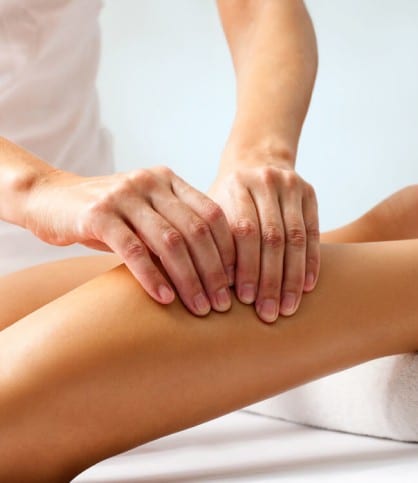
At PIED-DE-POULE South Kensington, sessions run 45 or 60 minutes. A 45-minute appointment focuses on a specific area — lower body, abdomen, or upper body. The 60-minute full body lymphatic drainage massage covers the complete system from neck to feet. Clients combining lymphatic drainage with body contouring treatments often find that drainage sessions in the days following an apparatus procedure help the body process and eliminate the disrupted fluid more efficiently. For ongoing concerns, a course of three to six sessions delivers significantly more lasting results than a single appointment. Your therapist will recommend a schedule at the end of your first session based on what they find.
Read More

How Lymphatic Drainage Massage is performed at PIED-DE-POULE

01
Consultation

Your therapist reviews your current concerns, medical history, and any recent procedures before treatment begins. This determines the session format, the areas of focus, and the appropriate depth and sequence of work.

02
Lymph Node Preparation

The session opens at the primary lymph node clusters — neck, clavicular region, and axillary nodes under the arms. Stimulating these sites first creates space within the lymphatic network so fluid displaced during the massage has a clear route to drain.

03
Systematic Full Body Work

Working from the core outward, the therapist uses slow, wave-like strokes along established lymphatic pathways. Pressure remains deliberately light throughout. Each region is treated in sequence — torso, then upper limbs, then lower limbs — to move fluid progressively toward the central nodes.

04
Targeted Focus Areas

Any areas of specific concern — post-surgical sites, localised swelling in the ankles or abdomen, or areas of visible puffiness — receive additional focused attention within the session. The therapist adjusts direction and rhythm based on what the tissue is showing.

05
Closing and Integration

The session closes with another pass over the primary lymph node clusters to ensure the drainage pathways remain open. Your therapist then advises on hydration, movement, and any activity to avoid in the hours following treatment to protect the results.

06
Course Recommendation

For most clients, a single session produces a noticeable immediate effect. To achieve lasting changes in fluid retention, immune function, or post-procedure recovery, a course of three to six sessions is recommended. Your therapist will outline a schedule suited to your presenting concern before you leave.

Treatment results

lymphatic_drainage_massage photo 1
lymphatic drainage massage london photo 2
full body lymphatic drainage massage photo 3
lymphatic drainage in london at salon PIED-DE-POULE

Time to preen your feathers

Book an appointment

benefits of lymphatic drainage massage

relaxation massage photo
  • Legs That Feel Light Again

    Fluid that has been sitting in your lower body for days moves within a single session — the heaviness lifts noticeably by the time you leave.

  • Your Body Clears Faster

    A well-stimulated lymphatic system transports immune cells more efficiently, so your body recovers from illness, stress, and physical exertion more quickly.

  • Skin That Looks Less Congested

    When fluid stops pooling beneath the skin's surface, the face and body look visibly clearer — puffiness flattens, and the complexion evens out.

  • A Nervous System That Finally Slows Down

    The rhythm of the treatment signals the body to stop bracing — tension releases not just from the tissue, but from the whole system.

FAQ

  • What's a lymphatic drainage massage good for?

    It works best when your body is holding fluid it cannot shift on its own — swollen legs, post-procedure puffiness, or a heavy congested feeling that does not respond to exercise. It also supports immune recovery and helps skin look clearer when congestion is the underlying cause.

  • Is there a downside to lymphatic drainage?

    For most people, there is none, though some clients feel temporarily tired or need the bathroom more in the hours after — both are normal signs the body is processing cleared fluid. The treatment is not suitable if you have active infection, blood clots, kidney disease, or congestive heart failure.

  • What does lymphatic drainage massage actually feel like?

    The pressure is very light and the strokes are slow and rhythmic — most clients describe it as deeply calming rather than intense.

  • How many sessions do I need before I see results?

    Most clients notice reduced puffiness and a lighter feeling after the first session. For persistent fluid retention or post-surgical swelling, a course of three to six sessions produces more durable results.

  • Is it safe to book if I am recovering from surgery?

    Once the wound has closed and your surgeon has cleared you for manual therapy, lymphatic drainage can actively support recovery. Contact us before booking and we will confirm suitability.

  • Does lymphatic drainage work for bloating or digestive discomfort?

    Abdominal lymphatic drainage helps clear fluid that contributes to bloating, and clients who carry persistent fluid in that region often report meaningful relief after a session.

  • Can I have this treatment if I am pregnant?

    Contact us directly before booking — this treatment during pregnancy requires a therapist with specific prenatal training, and we will confirm availability before you reserve a time.

  • Language:
  • Choose a location:
    Book Now