How the cut works
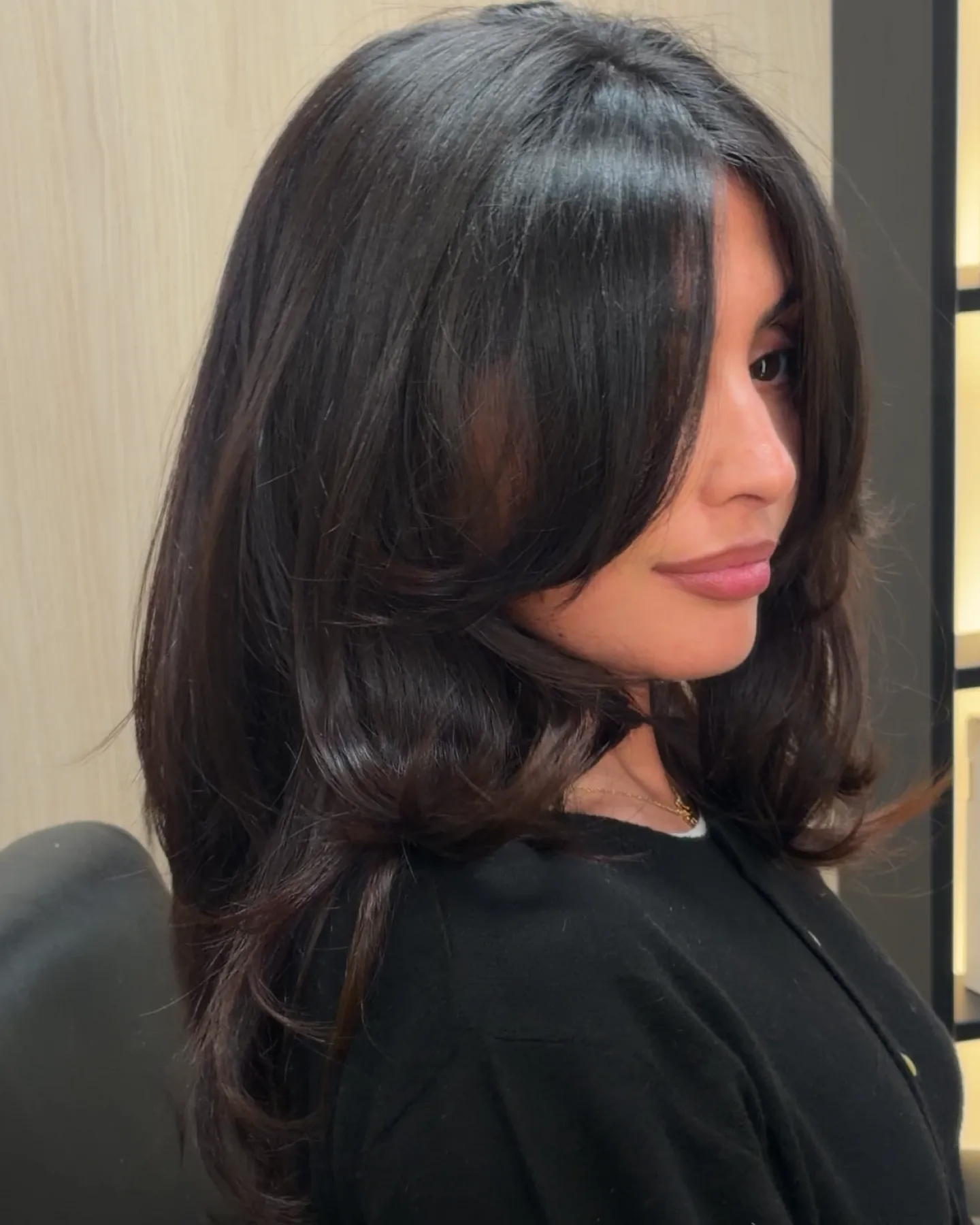
A face frame haircut removes weight from the two front panels of your hair and nowhere else. The stylist sets the shortest point first — cheekbone, chin or jaw — then cuts a graduated line down from there, mirroring it on the opposite side and blending it back into your length so there is no visible step where the shorter pieces end. The ends get softened with point or slide cutting, which is why face framing layers move instead of sitting in a hard line. Take weight out of the front and hair stops dragging flat against your cheeks; that single change is what makes the face look narrower and lifted.
How it differs from full layers and from a fringe
Full layers redistribute weight across the whole head, including the back and crown. Face framing touches only the front, so your overall shape, density and length stay exactly as they were. It is also not a fringe: nothing is cut across the forehead, and if a solid line above the brows is what you actually want, a fringe trim is the shorter, faster appointment. Curtain bangs sit somewhere between the two, starting higher and reaching a defined split at the centre parting.
Who face framing hair cut works best for
- Long hair that has grown into one flat sheet with no shape around the face
- Anyone growing out a fringe with front pieces that will not sit anywhere
- Fine hair that needs movement at the front while the ends keep their density
- Thick hair that feels bulky and wide around the jaw
- Curly and wavy hair, cut to the point where the curl springs rather than where it hangs wet
- Long hair with face framing layers before a wedding, a shoot or a new job, when cutting length is not an option
How to Style Face-Framing Layers
Styling face-framing layers is effortlessly simple:
- Blow-dry front sections with a round brush, rolling away from your face for volume
- Use a flat iron or curling wand to add gentle bends or waves to the layers
- Apply a light texturizing spray for piecey, lived-in movement
- Let air-dry naturally for relaxed, effortless texture
Quick styling tips:
- Always direct heat away from your face when blow-drying to create lift
- A small amount of smoothing serum prevents frizz and adds shine
- Tuck layers behind your ears for a sleek look, or leave them loose for softness
- Side-part your hair to emphasize the asymmetry and dimension
Your PIED-DE-POULE stylist will demonstrate personalized styling techniques during your appointment to ensure you can recreate the look at home with ease.
Why Clients Love face frame hair cut
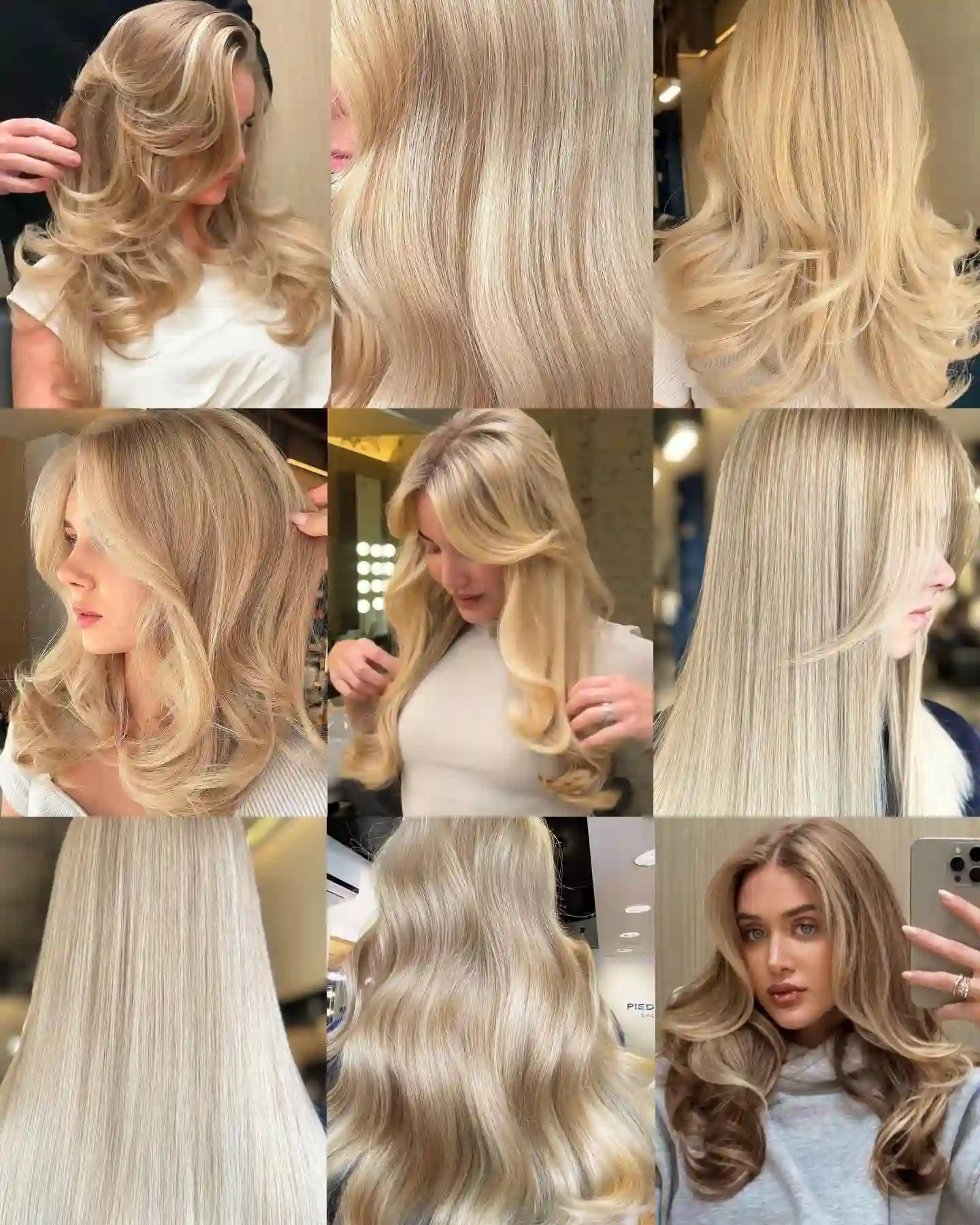
You see the change the second the hair dries. The first week is the honest test — the layers fall differently once you have slept on them and washed them yourself, and by day three most people stop styling the front at all. Around six weeks the shortest pieces soften and start sitting lower on the cheek, which is when a long layered haircut with face framing looks its most lived-in. Brightening those same front sections is the most common follow-up, and face framing highlights in London are usually placed along the shortest pieces so the layers catch light where they bend; balayage does the same job with a softer root.
Session lengths at PIED-DE-POULE
- 30 minutes — layers cut into your existing length, finished dry
- 60 minutes — full cut with a blow dry and a home styling walkthrough
- 90 minutes — cut, shaping through the mid-lengths and ends, and a bond or protein hair treatment for hair that has been lightened
Book a trim every eight to twelve weeks. Two or three visits is usually what it takes to grow a first set of face framing layers into a full long layered shape.