Pregnancy Massage

Pregnancy Massage

Your body is doing something extraordinary, and this treatment leaves you looser through the back and hips, with swelling eased and tension switched off for the first time in weeks. Sessions are led by therapists trained specifically in prenatal bodywork, with positioning and pressure adjusted to your trimester. Pregnancy massage is available exclusively at PIED-DE-POULE South Kensington, seven days a week from 9am to 9pm.

Deep Relief

Ease lower back and hip tension fast

Better Sleep

Settle into rest, wake up lighter

Reduced Swelling

Calm puffy ankles and tired legs

Real Calm

Slow down, breathe, switch off properly

What is Pregnancy Massage?

Pregnancy massage is a form of bodywork using gentle, hands-on techniques to ease tension and discomfort that builds up as your body changes through pregnancy. It’s generally considered safe and beneficial from the second trimester onwards, with most therapists waiting until after the first 12 weeks before treating.

How it works

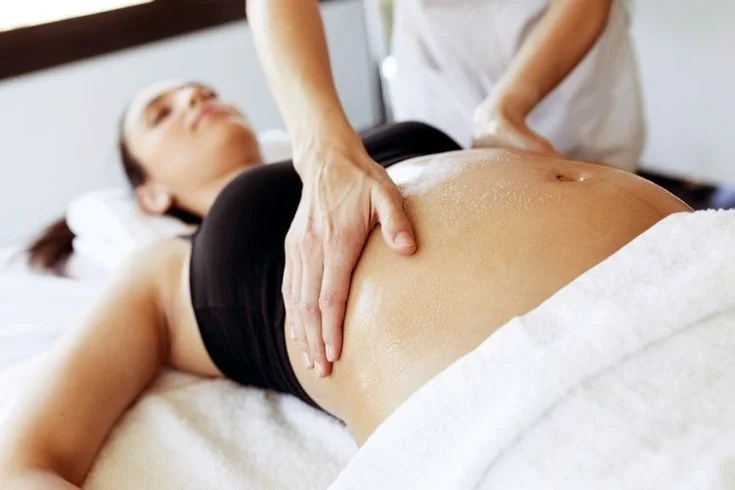
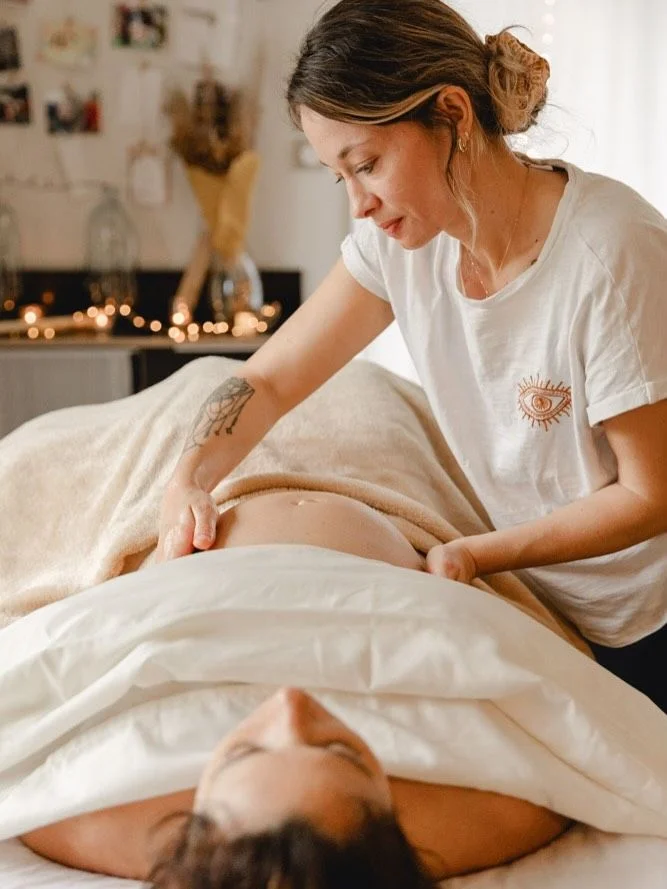
A Swedish-style approach is the method most commonly used during pregnancy, working with long, flowing strokes that ease muscle tension and support circulation and lymphatic flow. Blood volume increases by up to 50% during pregnancy, putting extra pressure on the legs and feet, so therapists avoid deep work in these areas and instead use light, soothing strokes that keep circulation moving without adding strain. You’re positioned on your side, supported with cushions, rather than face down or flat on your back, which keeps pressure off the abdomen and avoids restricting blood flow to the lower body.

How it differs from other massage types

The biggest difference is pressure and intent. A sports massage or full body deep tissue session works into muscle fibres to break down tension and improve range of motion, sometimes with quite firm pressure. Pregnancy therapy stays gentler and works more with the body’s fluid systems. Lymphatic drainage techniques are especially useful here, helping reduce the swelling, fluid retention, and discomfort that build up in the legs, ankles, and feet, and supporting circulation without any deep pressure, which makes it well suited if you’re dealing with varicose veins. It’s less about digging into knots and more about easing the strain that comes from carrying extra weight differently every week.

Who it suits

This works well if any of the following sounds familiar:

  • You’re waking up two or three times a night because your hips ache
  • Your lower back feels like it’s permanently bracing for something
  • You’re dealing with sciatic nerve pain running down through your hip and leg
  • Your ankles are visibly swollen by the end of the day
  • You’re carrying tension in your shoulders, neck, and head from changing posture
  • You just need an hour where nobody asks anything of you

Benefits of massage for pregnancy

Research backs up what most clients feel after a session. Regular treatment through pregnancy has been linked to:

  • Lower anxiety and reduced symptoms of low mood
  • Less muscle and joint pain, particularly in the back, hips, and legs
  • Better sleep quality
  • Reduced swelling in the ankles, feet, and hands, and improved circulation, which helps ease the heavy, tired feeling in the legs
  • Better outcomes for labour and newborn health reported in some studies

A study from 2024 found that women receiving regular foot massage saw a marked drop in insomnia and anxiety, and a wider review of the evidence supports massage as a useful, non-drug option for easing mental and physical symptoms during pregnancy.

Safety by trimester

In the first trimester, there’s no established mechanism by which massage could cause a miscarriage, and no link between the two has been found. Deep abdominal work is generally the only real thing to avoid this early on, though most UK therapists prefer to wait until after 12 weeks simply because miscarriage risk is naturally higher in this window regardless of treatment.

From the second trimester onwards, massage is generally considered safe. Your therapist will talk through your stage of pregnancy, your general health, and any areas that need extra care or to be avoided. You’ll usually be positioned on your side with supportive cushions, or in a semi-reclined position, with light to medium pressure focused on the back, shoulders, legs, and feet.

What results to expect

Most clients feel looser and calmer immediately after the session, with back and hip relief typically lasting a few days. Swelling reduction tends to be most noticeable straight after the treatment and through the following day. For ongoing discomfort, the effects build with regularity rather than from a single visit.

Session lengths and course recommendation

At PIED-DE-POULE, the 60-minute session covers back, hips, legs, and feet. For ongoing back or hip pain, a session every three to four weeks through the second and third trimester tends to keep discomfort from building back up. If facial puffiness is also bothering you, it’s worth pairing this with a face massage, which works on very different tissue but addresses a similar feeling of tightness and fluid build-up around the jaw and under the eyes.
Read More

How massage for pregnancy is performed in salon

01
Consultation

Before anything starts, your therapist asks how far along you are, what's been bothering you, and flags anything to avoid. This shapes which areas get more attention and which positions you'll be most comfortable in.

02
Positioning and Support

You're settled on your side with pillows supporting your bump, knees, and head. The room is kept warm, and the setup is adjusted until you're properly comfortable before any work begins.

03
Back and Hip Work

Slow, broad strokes work along the lower back and hips, easing the muscles that carry most of the new strain. Pressure is checked in with you throughout.

04
Legs and Feet

Attention shifts to the legs and feet, with lighter, directional strokes aimed at reducing swelling and relieving heaviness.

05
Shoulders and Neck

The session finishes with shorter work on the shoulders and neck, where tension tends to gather as posture shifts through pregnancy.

06
Aftercare and Course Planning

Your therapist talks you through how you might feel over the next day and suggests a realistic interval for your next session if discomfort tends to return.

Time to preen your feathers

Book an appointment

How massage therapy in pregnancy works

Photo massage relaxation
  • CIRCULATION

    Slower, sustained strokes encourage blood flow to tired legs, easing the heavy feeling that builds by evening.

  • FLUID DRAINAGE

    Light, directional strokes move excess fluid away from swollen ankles and feet, leaving them visibly less puffy.

  • MUSCLE RELEASE

    Sustained pressure on the lower back and glutes loosens muscles that have been compensating for shifted posture, reducing the ache that flares when you stand up.

  • NERVOUS SYSTEM RESET

    Slow, rhythmic touch lowers heart rate and shifts the body out of a wired state, leaving you noticeably calmer and often sleepier afterwards.

FAQ

  • When can you get a pregnancy massage?

    Most therapists recommend waiting until after the first trimester, around 12 weeks, before booking. There’s no proven link between massage and miscarriage, but many UK clinics prefer to wait simply because early pregnancy carries a naturally higher risk regardless of treatment.

  • Can you get a massage during pregnancy?

    Yes, massage is generally considered a safe complementary therapy from the second trimester onwards. Your therapist will check your stage of pregnancy and any health considerations before adjusting the session to suit you.

  • What does a pregnancy massage involve?

    You’ll be positioned on your side with supportive cushions, or in a semi-reclined position, and the therapist will use light to medium pressure focused on the back, shoulders, legs, and feet. Sessions typically run 30 to 60 minutes at most clinics, though PIED-DE-POULE offers 60 or 90-minute options.

  • Will the pressure be too strong?

    No, pressure is kept lighter than a typical deep tissue or hot stone massage and adjusted continuously based on your feedback. You can ask for lighter or firmer pressure at any point.

  • Can I get a massage during pregnancy if I have varicose veins?

    Yes, lymphatic drainage techniques used during pregnancy massage avoid deep pressure and can actually help with the discomfort varicose veins cause. Let your therapist know so they can adapt the pressure and positioning around the affected areas.

  • How often should I book during pregnancy?

    Many women book every three to four weeks, or more often in the later stages when aches and swelling tend to increase. A single session can still help, but regular ones keep tension from building back up.

  • Are there any reasons I shouldn't book this?

    Absolute red flags include vaginal bleeding, suspected miscarriage or ectopic pregnancy, signs of preterm labour, symptoms of pre-eclampsia such as severe headaches or sudden swelling, and suspected DVT. If you have any pregnancy complications such as pre-eclampsia, gestational diabetes, or placenta praevia, get the go-ahead from your midwife or doctor before booking.

  • Language:
  • Choose a location:
    Book Now