Sport Massage

Sport Massage

That stiffness in your back, the tightness that doesn't shift after a workout, the shoulder that's been complaining for weeks - it's not going away on its own. Sport massage works on the deeper muscle layers where tension locks in, restoring movement, reducing recovery time, and addressing the kind of physical strain that daily life and exercise accumulate without warning. Sessions run 30 to 60 minutes, available every day from 9am to 9pm in South Kensington, London.

Faster Recovery

Back to full movement sooner, less soreness

Tension That Actually Clears

Deep muscle tightness released, not just eased

Better Range of Motion

Stiff joints and locked muscles start to move freely

Less Pain Between Sessions

Recurring aches become less frequent over time

What Is Sport Massage?

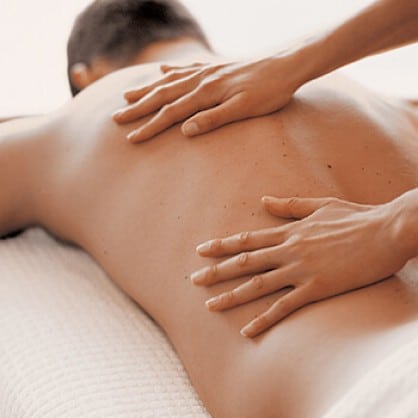
Sport massage targets the deep muscle layers that carry the most load – the groups that tighten after training, stiffen from desk work, or lock up from repetitive movement. Unlike a surface-level treatment, the pressure goes into the tissue where tension actually sits. The therapist works along the muscle fibres, releasing adhesions and restoring normal movement patterns in areas that have been compensating or guarding for too long.

This is not a treatment reserved for athletes. Anyone whose body takes regular physical strain – from gym sessions, running, long hours at a desk, or physically demanding work – benefits from the same approach. The techniques shift between deep tissue pressure, stretching, and cross-fibre work, reading what the muscle needs rather than applying a fixed sequence. Clients who also carry stress through the neck and jaw sometimes add a face massage to the same visit, since the muscular tension that builds in the upper body often continues upward.

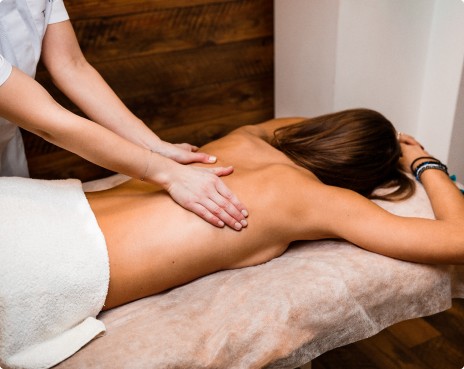
Sessions are available in 30 and 60 minutes. Thirty minutes focuses on a specific area or problem zone; sixty covers broader work across the back, legs, shoulders, or wherever the body is holding the most. The relaxation massage is a separate option for clients who need less intensity and more general release.

Read More

How sports massage is performed at PIED-DE-POULE

01
Consultation

Your therapist asks about the areas causing problems, your activity level, and any injuries or recent procedures that affect how pressure is applied. This shapes the entire session – a general recovery session moves differently from targeted work on a specific complaint.

02
Focused Muscle Work

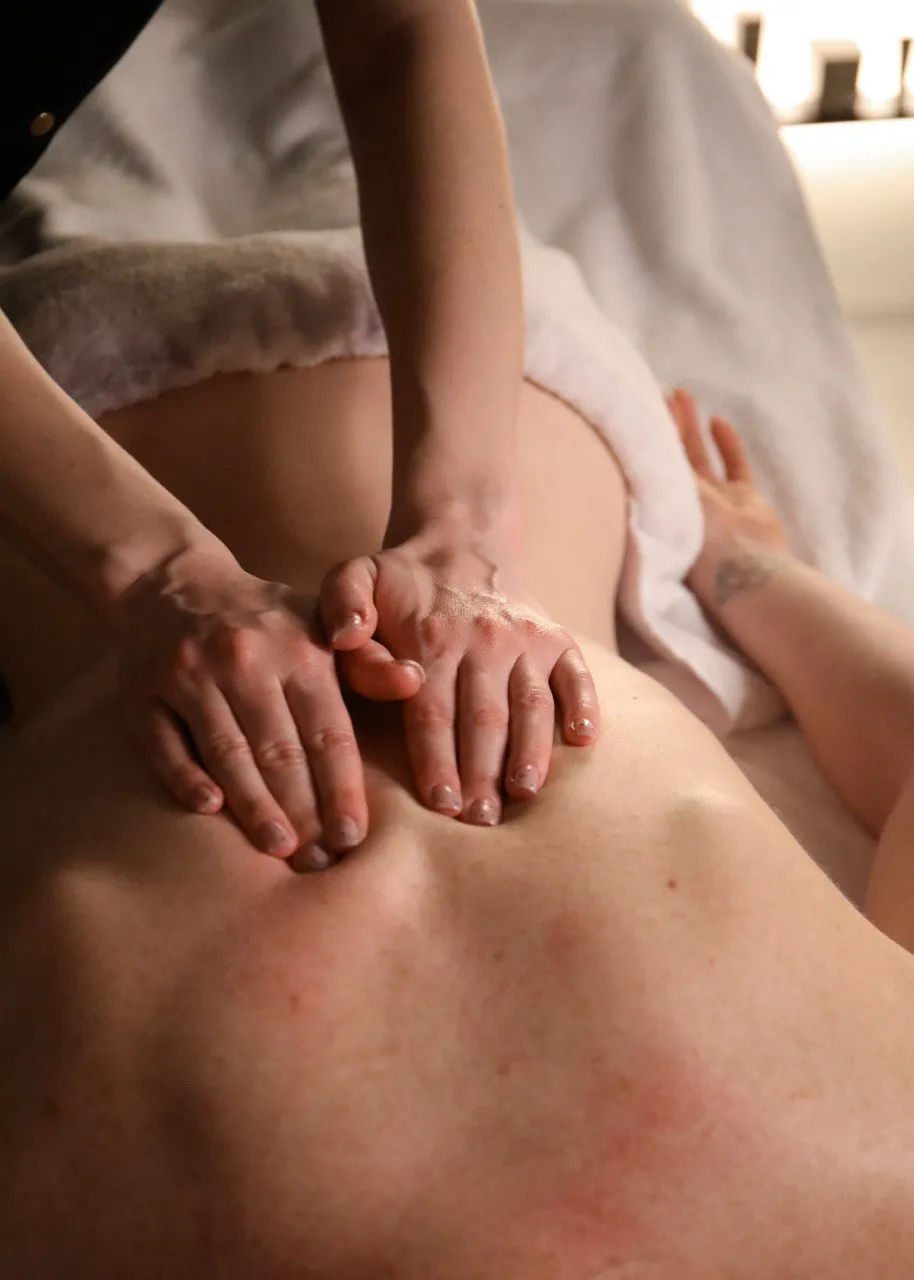
The session addresses the problem zones first, using deep tissue pressure, cross-fibre friction, and sustained compression on trigger points. The therapist adjusts depth continuously based on how the tissue responds, not to a fixed routine.

03
Mobility and Stretch

Once the primary tension is released, the therapist works the surrounding muscle groups and joints through supported stretching and assisted movement – consolidating the release and restoring range of motion.

04
Aftercare

Before you leave, your therapist covers what to expect over the next 24 to 48 hours – mild soreness in worked areas is normal – and gives guidance on hydration, activity, and how frequently to return for the results to hold.

Therapy results

sports massage kensington
sport massage photo
full body sports massage in kensington
sports full body massage in salon

Time to preen your feathers

Book an appointment

How Sports Massage Works

massage photo
  • MUSCLE RELEASE

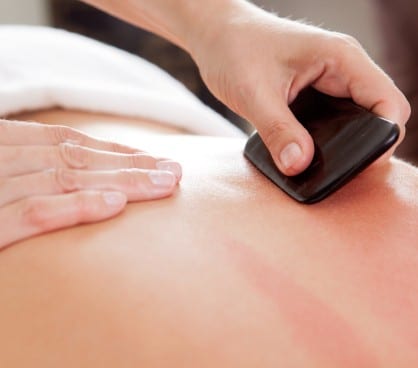
    Deep pressure breaks up the adhesions and contractions that form in overworked tissue, restoring the muscle's ability to lengthen and move without restriction.

  • CIRCULATION

    Manual work on deep muscle layers accelerates blood flow to areas with poor circulation, speeding up the removal of metabolic waste that accumulates after physical exertion.

  • RECOVERY TIME

    Increased circulation and reduced muscular tension after a session mean the body repairs faster – training frequency and intensity become more sustainable as a result.

  • MOBILITY

    When chronically tight muscles release, the joints they cross gain back their full range of motion – movement that felt restricted or effortful becomes easier and more controlled.

  • PAIN REDUCTION

    Sustained pressure on trigger points and overactive muscle fibres reduces the referred pain and localised aches that come from unresolved muscular tension.

  • NERVOUS SYSTEM RESET

    Deep physical work on the muscles signals the nervous system to downregulate – the body shifts out of the high-tension state that perpetuates both physical stiffness and stress.

FAQ

  • Who is a sports massage suitable for?

    The techniques are suited to anyone with muscle tension, stiffness, or reduced mobility – desk workers, runners, and people in physical jobs all book regularly.

  • Will it be painful?

    Pressure is firm and goes into the deeper muscle layers, which can produce some discomfort in tight areas. The therapist adjusts throughout – you stay in control of the intensity.

  • How long is a session?

    Sessions run 30 or 60 minutes. Thirty minutes works well for a specific area; sixty covers broader muscular work across multiple zones.

  • How soon after workout should I book?

    For recovery work, 24 hours after intense training gives the acute soreness time to settle. Sport massage also works well before training to prepare the muscles, with lighter pressure and more movement-focused technique.

  • Can I book if I have an injury?

    Discuss any current injuries during the consultation before the session begins. Acute injuries – recent strains, tears, or inflammation – require medical clearance first. Chronic or recovering injuries are frequently addressed in sport massage.

  • How often should I come in?

    Most clients find a rhythm of once every one to two weeks. Those in heavy training or with persistent tension often book weekly in the short term until the problem resolves.

  • Language:
  • Choose a location:
    Book Now