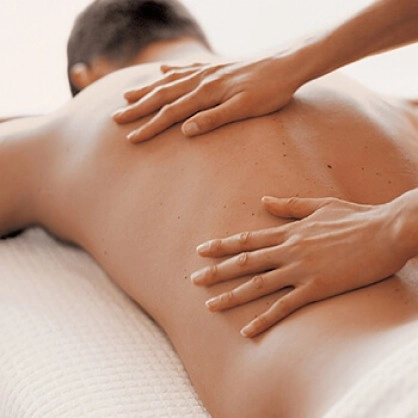
It’s hands-on work aimed at one particular complaint: a stiff neck, an aching lower back, or a shoulder that has tightened from the way you sit or train. The therapist combines slow kneading, sustained pressure on tight points and long strokes to soften overworked muscle, then checks how the area moves before finishing. Among our massage treatments, this is the one to choose when you arrive with a specific problem instead of a free hour to unwind.
How the therapeutic massage differs from relaxation work
A relaxation massage moves evenly over the whole body at gentle pressure, and its goal is calm. A therapeutic session spends most of its time on two or three areas and goes deeper there. Expect it to feel purposeful, and in places firm.
Who professional therapeutic massage suits
It suits people whose discomfort comes from muscle rather than injury. Typical examples are long laptop days that leave the upper back and the base of the skull tight, headaches that start in the neck, and a lower back that complains after a long drive. Anyone recovering from a strain or preparing for a race will get more from sports massage, which adds stretching and movement work to the hands-on part.
Therapeutic massages: session lengths and results
Sessions run for 60 or 90 minutes. An hour leaves room for two or three, and ninety minutes covers the whole body with extra time on problem spots. Most people feel looser straight away. Tension that has built up over months usually needs a short course before the change holds, so the therapist suggests an interval after the first visit.
When therapeutic massage services aren’t suitable
Before the first session you fill in a health form, and a few answers on it change what happens next. Some conditions mean waiting until they clear. Others need a word from your GP first.
Postpone the session if you have:
- a fever, cold or flu;
- a skin infection, rash, open wound or fresh bruising over the area to be treated;
- a current or recent blood clot, including deep vein thrombosis;
- recent surgery, a fracture or a fresh sprain;
- alcohol or recreational drugs in your system, because they dull your sense of how much pressure is too much.
Check with your GP before booking if you have:
- a heart condition or blood pressure that isn’t under control;
- cancer, or you are in the middle of cancer treatment;
- osteoporosis;
- diabetes with reduced feeling in the hands or feet.
During pregnancy, book a pregnancy massage instead: it is adapted to each trimester. Smaller local issues, such as varicose veins or a healing scar, don’t rule the session out. The therapist simply leaves that area alone.