Some types of tension don’t respond to rest. You stretch, you sleep, you take a hot shower — and the knot in your shoulder is still there on Monday morning. That’s usually the point where deep tissue massage becomes relevant. It works differently from a relaxation treatment: the goal isn’t comfort during the session, it’s change in the tissue afterward.
But it’s not right for everyone, and going in with the wrong expectations makes the experience worse than it needs to be. This guide covers what the treatment actually does, who it suits, and what to watch out for.
What Is a Deep Tissue Massage?
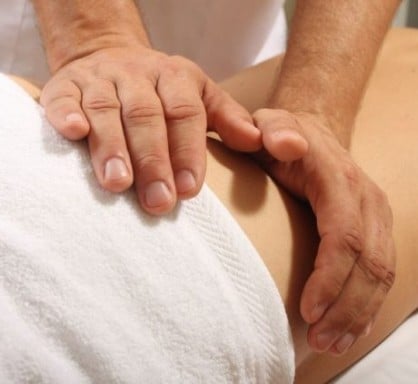
What is a deep tissue massage, technically? It’s a technique that applies sustained, firm pressure to reach the deeper layers of muscle and the connective tissue surrounding it — the fascia. Therapists use their thumbs, knuckles, elbows, and forearms to work slowly along and across muscle fibres, targeting areas where tension has built up and restricted normal movement.
The key difference from Swedish or relaxation massage is intent and depth. A relaxation session uses flowing strokes to calm the nervous system and improve surface circulation. Deep tissue work is slower, more deliberate, and often focused on a specific area rather than the whole body. It’s corrective rather than restorative.
The technique has roots in physiotherapy and is widely used in sports recovery — though the clients who benefit most aren’t always athletes.
What Does a Deep Tissue Massage Do to the Body?
What does a deep tissue massage do at a physiological level? A few things happen simultaneously:
- Sustained pressure breaks down adhesions — areas where muscle fibres and fascia have stuck together, restricting movement and causing localised pain
- Increased blood flow to the worked area delivers oxygen and removes metabolic waste that accumulates in chronically tense tissue
- The nervous system response shifts: initially the body braces, then — with sustained pressure — it releases, which is when the real change happens
- Cortisol levels drop and serotonin levels rise, which explains the mental clarity many people notice after a session
A randomised clinical trial published in PubMed found that deep tissue massage produced significant pain reduction in patients with chronic low back pain — with results comparable to anti-inflammatory medication over a two-week treatment course.
The change isn’t instant. The tissue needs 24–48 hours to process the work. That’s why the day after a deep tissue session often feels more different than the day of.
Deep Tissue Massage Benefits: What It Actually Helps With
Deep tissue massage benefits are most consistent in these situations:
- Chronic muscle tension — the kind that comes from desk work, repetitive strain, or long-term postural habits. The upper back, neck, and shoulders are the most common sites
- Lower back pain — one of the most researched applications; consistent manual pressure on the paraspinal muscles and surrounding fascia produces measurable relief
- Restricted range of motion — joints that feel stiff because the surrounding soft tissue is tight rather than the joint itself being damaged
- Recovery after physical training — clearing the muscle soreness and micro-damage that follows heavy exercise, particularly in the legs and glutes
- Stress-related physical tension — the body stores stress as physical bracing, and deep tissue work can interrupt that pattern more effectively than lighter techniques. For cases where stress itself is the primary concern rather than its physical symptom, Relaxation massage is a better starting point
It’s worth noting what it’s less effective for: acute injury, inflammation, nerve pain, or conditions where the underlying cause is structural rather than muscular. In those cases, a different approach is usually more appropriate.
Is Deep Tissue Massage Painful?
This is the question most people search for before booking — and the honest answer is: it can be uncomfortable, but it shouldn’t be painful.
Is deep tissue massage painful? The sensation during treatment is best described as productive discomfort — a “good hurt” that feels like the right amount of pressure in exactly the right place. Most clients describe moments of intensity followed by a clear release. That release is the sign the work is doing something useful.
True pain — sharp, shooting, or breath-stopping — is a signal the therapist is either working too deep too fast, or working on an area that isn’t ready. A good therapist adjusts constantly based on your response. Communication matters more in deep tissue than in any other massage type: saying “that’s too much” isn’t weakness, it’s useful information.
Post-session soreness is normal and expected, particularly after a first appointment or if the area hasn’t been worked on before. It typically peaks around 24 hours after the session and clears within 48. Drinking water and gentle movement the following day helps it resolve faster.
| Sensation | What it means |
| Dull ache under pressure | Normal — tissue releasing |
| Brief sharp intensity that eases | Normal — adhesion breaking down |
| Lasting sharp or shooting pain | Tell your therapist immediately |
| Soreness next day, clears in 48hrs | Normal post-treatment response |
| Bruising on sensitive skin | Possible, usually minor and temporary |
Deep tissue massage produces real, measurable change in how the body feels and moves — but it works best when the timing, frequency, and expectations are right. The full range of Massage therapy options can help you work out which approach fits your current concern, and a conversation with your therapist before the first session will make the work more targeted from the start.
Deep Tissue vs. Other Massage Types: Choosing the Right One
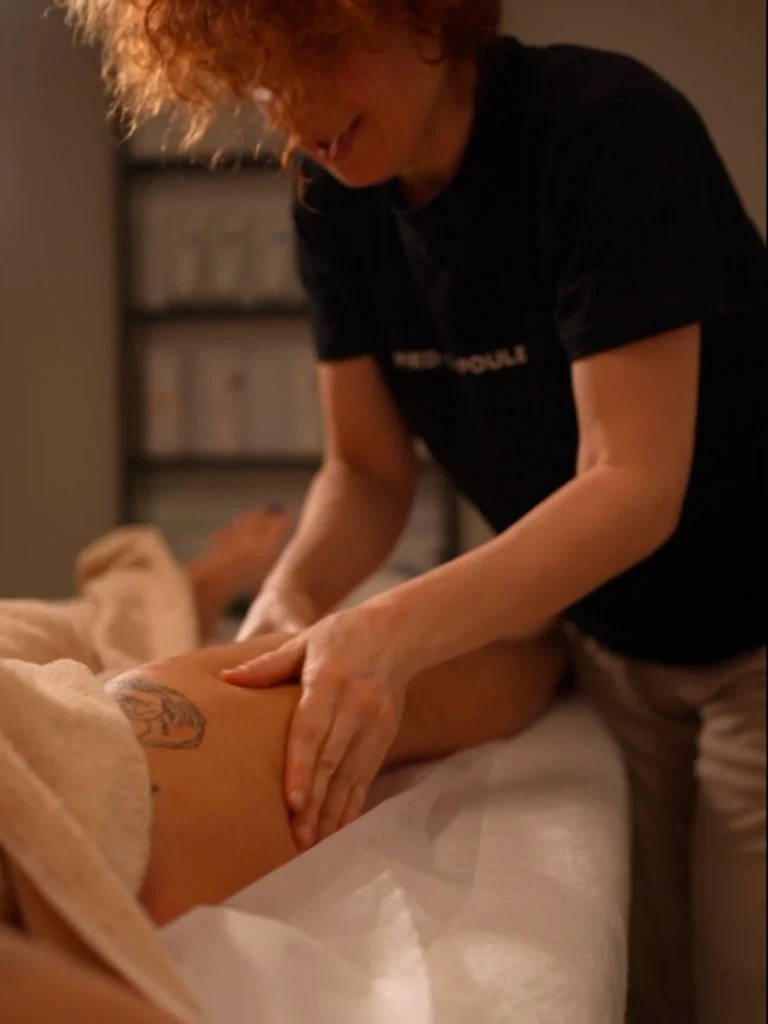
Deep tissue massage therapy is one of several techniques available, and the right choice depends entirely on what your body needs right now.
Deep tissue is the right choice when you have specific, persistent muscular tension or pain that hasn’t responded to lighter work. It requires recovery time and isn’t ideal as a weekly maintenance treatment for most people.
Sport massage shares some of the same techniques but is structured differently — it includes pre-event preparation work and post-event recovery protocols, and is focused specifically on the demands of physical training. Many of the clients who book sport massage find that adding a deep tissue session in the off-training period reaches tension that sport-specific work doesn’t fully address.
Relaxation massage is the better choice when the primary issue is stress, sleep, or general nervous system recovery rather than muscular restriction. The two treatments serve different purposes and can complement each other in a regular wellness routine.
For clients whose concerns are body shape, circulation, or skin texture rather than muscular restriction, the relevant treatments work at a different tissue level entirely and aren’t interchangeable with deep tissue.
Who Should Avoid Deep Tissue Massage?
Deep tissue massage therapy is not suitable in all situations. Avoid or delay booking if:
- You have an acute injury, active inflammation, or a recent strain — working deep into inflamed tissue makes it worse, not better
- You have a blood clotting disorder or are on blood thinners — the pressure can cause excessive bruising or more serious complications
- You have osteoporosis or fragile bones — the sustained pressure used in deep tissue work carries risk of microfracture in people with significant bone density loss
- You have active skin conditions, open wounds, or recent surgery in the area to be treated
- You are in the first trimester of pregnancy — massage in general requires adapted technique during pregnancy; consult your GP before booking
If you have any underlying medical condition you’re unsure about, checking with your GP before booking is the sensible step. And if your primary goal is improving skin texture or reducing the appearance of cellulite rather than addressing muscular tension, Anti-Cellulite massage is a more targeted place to start.
Practical Tips for Getting the Most from a Session
A few things that make a measurable difference:
- Arrive hydrated. Well-hydrated tissue responds better to manual work. Drink water before and after the session.
- Don’t eat a large meal immediately before. Lying face-down on a full stomach is uncomfortable and distracts from the work.
- Tell your therapist about problem areas at the start. A 60-minute session covers more ground when the therapist knows where to focus from the beginning.
- Don’t schedule it before a demanding physical event. Post-session soreness and a long run the next morning don’t mix well. Plan a rest day after.
- Book a course rather than a single session for chronic issues. One appointment produces a noticeable change; three to six sessions produces a lasting one. The tissue has memory — it takes repetition to shift a pattern that’s been there for months.
For clients dealing with both muscular tension and body composition concerns, combining deep tissue with Icoone treatment can address both the structural and the surface layer, since the two approaches work at different depths.