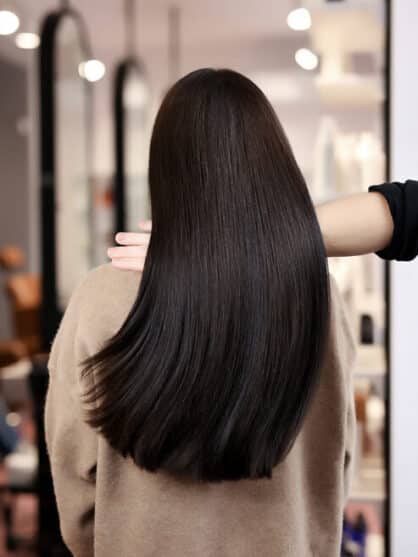
A fresh bleach or colour job can look perfect leaving the salon — then a few weeks later, it starts pulling yellow. Or your blonde looks warmer than you wanted. Or a brown balayage feels flat and one-dimensional in artificial light. In most cases, what’s missing isn’t more colour. It’s toning hair. It’s one of those steps that separates a finished result from a result that just needs something.
This guide covers how toner works, who needs it, and what to expect — whether you’re asking before your next appointment or trying to understand why your stylist always finishes with it.
What Does Toner for Hair Do?
Toner is a semi-permanent or demi-permanent colour product that deposits pigment onto the hair shaft without lifting the base. It doesn’t lighten. It adjusts.
What does toner for hair do, exactly:
- Neutralises unwanted warm tones — yellow, orange, or brassiness — using the colour wheel. Purple cancels yellow; blue cancels orange.
- Adds depth and dimension to flat, lifeless colour
- Refreshes faded colour between appointments
- Creates a more even, consistent result across different sections of hair that may have lifted unevenly
Toner works best when applied to pre-lightened hair, because the lifted cuticle is more porous and absorbs pigment more readily. On unprocessed dark hair, toner has a much more subtle effect — more of a gloss than a tone shift.
Toner for Blonde Hair: Getting the Tone Right
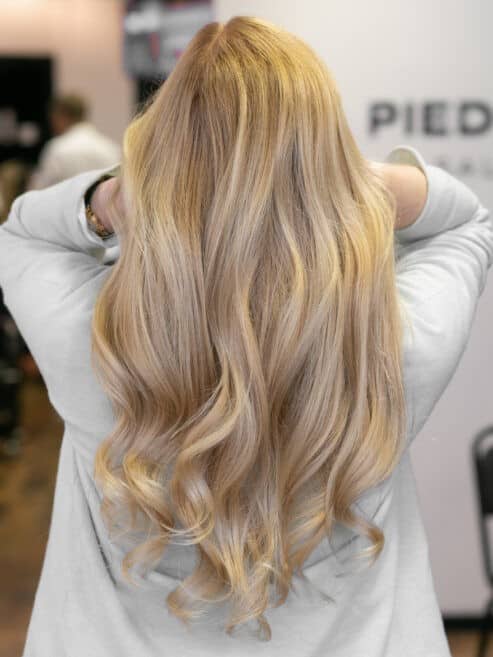
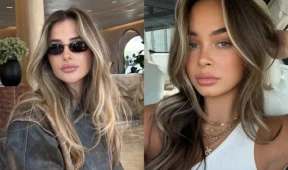
Toner for blonde hair is probably the most common use case, and also the most varied. “Blonde” covers a wide range — from icy platinum to warm honey — and toner is how you land exactly where you want to be within that range.
The most popular finish requests:
- Ash blonde — cool, grey-leaning, minimal warmth. Requires a violet or blue-violet toner.
- Champagne or beige blonde — slightly warm but not brassy. Achieved with a gentle golden or neutral toner.
- Pearl or silver blonde — almost grey, needs a blue or grey-based toner on well-lightened hair.
- Natural blonde — toner used to balance unevenness rather than shift the tone dramatically.
The specific toner used depends on the current level of lift and what undertones are present. That’s why two people asking for “the same” blonde result can leave with a different toner applied — the starting point determines the formula.
For clients exploring a multi-tonal blonde with depth, Babylights are often the step before toning, creating the fine variation that makes a toned result look dimensional rather than flat.
Toner for Bleached Hair: Why It’s Not Optional
When hair is bleached, the process removes colour by breaking down pigment molecules. The first pigments to go are the cool ones. What’s left behind are warm, red-yellow pigments — which is why freshly bleached hair almost always looks brassy or orange straight after the process.
The degree of brassiness depends on:
- The starting depth (darker hair has more red-orange pigment to work through)
- How many levels were lifted
- Whether the bleach was left on long enough
- The condition of the hair — damaged hair often lifts unevenly
Without toning, bleached hair almost never looks finished. Even if the warmth isn’t obvious in daylight, it tends to read as yellow or orange in photos or under artificial light. That’s why toner for bleached hair isn’t a finishing touch — it’s part of the result, not an optional add-on.
How to Tone Hair: What Happens in the Chair
How to tone hair at a professional level involves more than applying a product. The stylist assesses the hair’s current tone, selects the right formula (which may mix multiple toners or add a clear dilutant), and determines processing time based on how porous the hair is.
The general process:
- Hair is shampooed and towel-dried, or toner is applied directly after bleach (depending on the formula and desired result)
- Toner is applied section by section, ensuring even coverage across all areas
- Processing time ranges from 5 to 30 minutes depending on the product and the depth of tone change needed
- The toner is rinsed, followed by a conditioning treatment to close the cuticle and lock in the result
One detail that matters: the porosity of the hair affects how quickly toner absorbs and how long it holds. Very porous hair takes toner fast but also fades faster. A Toning + Blow Dry appointment is often the quickest way to refresh a colour without booking a full service — worth considering if your last colour is still good but the tone has shifted.
How to Apply Toner to Hair at Home
At-home toning is most reliable for maintenance — refreshing a salon result — rather than correction. The product options available over the counter work well for keeping brassiness at bay, but they don’t replicate what a professional formula can do for significant tone shifts.
If using a purple or blue shampoo, apply to damp hair, leave for 3–15 minutes depending on the intensity of brassiness, and rinse thoroughly. Start with a shorter time and build up — overtoning gives a grey or violet cast that takes time to wash out.
For a proper at-home toner (cream or gel formula), knowing how to apply toner to hair correctly makes the difference between an even result and a patchy one:
- Always do a strand test first to gauge processing time on your specific hair
- Apply to clean, damp, towel-dried hair
- Work quickly — toner processes fast
- Set a timer and check every few minutes
- Rinse with cool water and follow with conditioner
For significant tone corrections — removing heavy brassiness, evening out uneven lift, or achieving a specific cool finish — professional application gives more predictable, even results.
Clients considering a more significant colour change alongside toning might find Airtouch a useful next step — a technique that creates seamlessly blended lightening before toner is applied.
How Long Does Toner Last in Hair?
Three factors determine how quickly toner fades: the formula used, how porous the hair is, and how you wash it. Porous hair takes toner fast but releases it just as quickly — fine or damaged hair typically fades sooner than healthy, coarser hair.
| Toner type | Typical longevity | Fades to |
| Semi-permanent | 2–6 washes | Warmer/brassy |
| Demi-permanent | 4–6 weeks | Slightly warm or neutral |
| Permanent toner | 6–8 weeks | New growth line becomes visible |
| Purple/blue shampoo | Used weekly as maintenance | Depends on frequency |
Colour-safe shampoo, cold water rinsing, and UV protection all slow fading. Washing hair daily or using clarifying shampoo shortens the result noticeably. So how long does toner last in hair in practice? Anywhere from a few washes to eight weeks — depending on which column of that table applies to you.
A toner refresh at the salon is typically quicker and less expensive than a full colour appointment. Many clients book it in between their main colour services to keep the tone consistent.
For clients with grey hair, toner longevity works differently — Grey Blending uses a combination of toning and colour techniques to make regrowth less abrupt and extend the time between appointments.
Can You Tone Brown Hair?
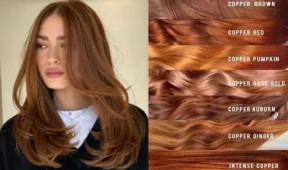
Tone brown hair is less discussed but genuinely useful. Brown hair doesn’t need the same level of lifting as blonde before toning has a visible effect — but it does need some lift, or the toner will simply act as a gloss.
On lightened brown or mid-brown hair, toning can:
- Remove unwanted red tones after a highlights or balayage service
- Add a cool, ash finish to what was a warm brown
- Deepen and enrich a flat, faded brown that needs reviving
On natural, unlifted dark brown hair, toner typically reads as a shine treatment rather than a tone shift. For visible colour change on dark brown hair, Ombre or Grey Blending techniques create the pre-lightened base that makes toning effective.
Toning is one of those services that looks subtle from the outside but makes a significant difference to the finished result. Done right, it’s what makes a colour look intentional — cool where it should be cool, warm where it should be warm, and even across the whole head.