
Most people have never thought about their lymphatic system — until something feels off. The legs get heavy and stay heavy. The face looks puffy three days in a row. The body feels congested in a way that sleep, water, and exercise don’t fix. What does a lymphatic massage do in that situation? That’s exactly what this guide covers.
How Lymphatic Drainage Works on the Body
The lymphatic system is a network of vessels, nodes, and organs that runs parallel to the circulatory system. Its job is to collect excess fluid from the tissues, filter it through the lymph nodes, and return it to the bloodstream. Unlike blood, lymph has no pump behind it — no organ pushing it forward. It moves through muscle contractions, breathing, and pressure changes.
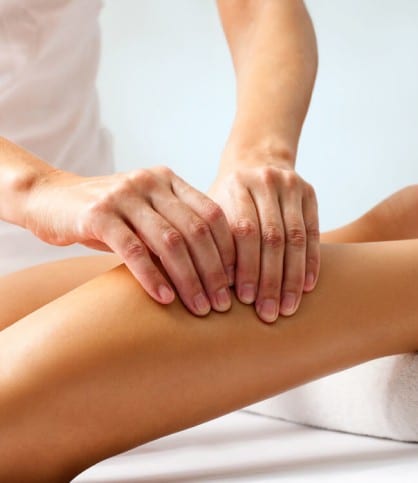
What does a lymphatic drainage massage do to this process? It manually moves fluid toward the lymph nodes using very light, rhythmic strokes that follow the body’s natural drainage pathways. The pressure is far lighter than any other massage type — lymphatic vessels sit just beneath the skin, not deep in the muscle, and pressing too hard actually collapses them.
A well-executed session typically follows this sequence:
- Opening the primary lymph node clusters (neck, collarbone, underarms) to create space in the network
- Working the trunk, then the upper limbs, then the lower limbs — always toward the nodes
- Closing with a repeat pass over the drainage points to keep pathways open
The result is systemic. The whole body processes fluid more efficiently, not just the area treated.
According to the National Institute for Health and Care Excellence (NICE), manual lymphatic drainage is recognised as an effective component of treatment for lymphoedema — chronic fluid build-up caused by lymphatic system damage or disease. But the benefits extend well beyond clinical lymphoedema.
Who Actually Needs It? Recognising the Signs
Not everyone who books lymphatic drainage has a diagnosed condition. Many clients come in with a vague but persistent feeling that their body is holding on to something — and they’re right.
You’re likely a good candidate if:
- Your legs feel heavy and thick by the end of the day, especially after long flights or standing shifts
- You wake up with a noticeably puffier face than when you went to bed
- You’ve had a cosmetic procedure — fillers, liposuction, body sculpting — and want the swelling to resolve faster
- Your skin looks dull and congested despite a solid skincare routine
- You’re going through a period of high stress or low immunity and your body feels “stuck”
- You have diagnosed lymphoedema or a condition that affects fluid regulation, such as fibromyalgia
Post-procedure recovery is one of the most consistent use cases. After treatments like Icoone Treatment, the disrupted tissue produces localised fluid as part of the healing response. Lymphatic drainage in the days following helps the body clear that fluid faster, which shortens the visible swelling phase.
What Does a Lymphatic Drainage Massage Do for Skin?
This is the question beauty clients ask most often — and the answer is more direct than people expect.
Fluid that pools beneath the skin’s surface creates several visible effects: puffiness, uneven texture, a dull or grey-looking complexion. These are not always caused by poor skincare. They’re often caused by poor drainage.
What does a lymphatic drainage massage do at the skin level is clear the fluid layer sitting between the dermis and the subcutaneous tissue. Once that fluid moves, the skin sits differently on the face and body — tighter, clearer, more defined. It’s one reason lymphatic work is often paired with anti-cellulite massage, where fluid retention underneath the skin contributes significantly to the dimpled appearance.
The effect on the face can be visible within hours. Morning puffiness — particularly around the eyes and jaw — responds well to even a single session. For persistent facial congestion, a short course of sessions spaced a week apart typically produces the most lasting improvement.
How It Compares to Other Massage Types
| Feature | Lymphatic Drainage | Deep Tissue / Sports | Relaxation |
| Pressure level | Very light | Firm to deep | Moderate |
| Target tissue | Lymph vessels, fluid | Muscle, fascia | Nervous system, muscle |
| Primary effect | Fluid clearance | Tension release | Stress reduction |
| Best for | Swelling, post-procedure, immunity | Muscle pain, injury | Stress, sleep, general wellbeing |
| Session fee | Calm, almost sedating | Intense | Deeply relaxing |
The distinction matters practically: if your main concern is muscular tension or pain, lymphatic drainage is not the right starting point. But if your body is holding fluid — whether from surgery, stress, inactivity, or a medical condition — no amount of deep tissue work will shift it. You need the right tool for the job.
The full range of massage therapy options available can help you work out which treatment fits your current concern.
What to Expect in a Session — and After
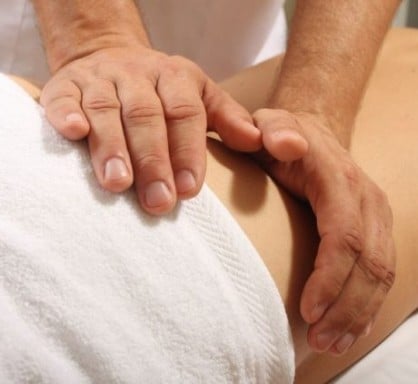
The session itself is notably quiet. No deep pressure, no dramatic muscle work. Strokes are slow, wave-like, and repetitive. Most clients describe it as deeply calming — some fall asleep. The therapeutic effect is happening underneath the surface, so there’s no external intensity to signal that it’s working.
After a session:
- Increased urination in the hours following is common and expected — the body is processing and excreting the cleared fluid
- Some clients feel temporarily tired, particularly after their first session; this usually passes within a few hours
- Drinking water before and after helps the body move fluid more efficiently
- Strenuous exercise and hot baths in the immediate hours after are best avoided — they can re-stimulate fluid production before the drainage effect has consolidated
This is particularly relevant after apparatus-based treatments like Stratosphere Therapy, where the tissue response produces localised fluid that lymphatic drainage helps clear faster.
For ongoing concerns like persistent fluid retention or lymphoedema management, the British Lymphology Society recommends a structured course of treatment rather than isolated sessions — typically 3–6 appointments depending on the severity and cause.
How Often Should You Have Lymphatic Drainage?
There’s no single answer, because it depends entirely on why you’re doing it.
For post-procedure recovery: usually 2–3 sessions in the first two weeks after a cosmetic treatment, then as needed based on how the body responds.
For fluid retention or lymphoedema: a course of 4–6 sessions is standard, with maintenance appointments monthly or as symptoms require.
For general wellness and skin clarity: once every 4–6 weeks is sufficient for most people. Some clients find they need it more frequently in winter, when reduced movement slows lymphatic circulation.
After an intense fitness period or long-haul travel: a single session is often enough to reset the system and clear accumulated fluid.
The best gauge is how your body feels between sessions. If you’re noticing the heaviness or puffiness returning within a week, more frequent sessions are warranted. If the effects last several weeks, you’ve found your maintenance rhythm.
Lymphatic drainage is one of those treatments that tends to surprise people — especially those who expect massage to mean pressure and intensity. The work is subtle, but the body’s response is not. If fluid retention, post-procedure swelling, or persistently congested skin has been on your mind, a Lymphatic Drainage Massage session is a practical, low-risk place to start.