Gel Polish Removal

Gel Polish Removal

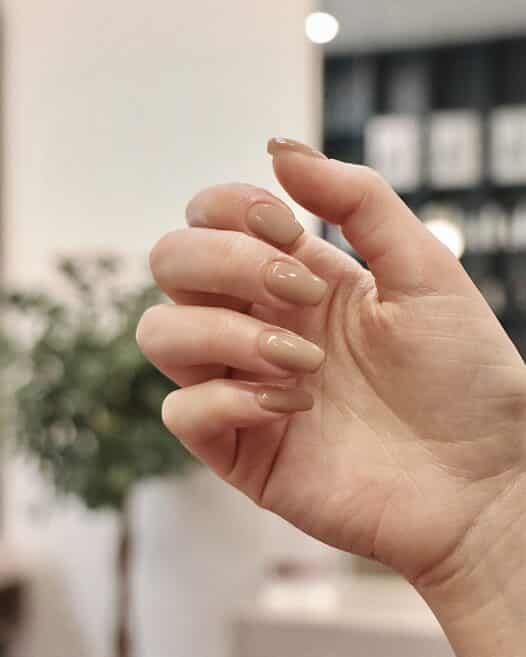
Gel polish bonds hard — and that's exactly why taking it off requires the right approach. Done incorrectly, removal causes more damage than weeks of wear ever would. At PIED-DE-POULE, the process is handled by experienced nail technicians using professional-grade removers and equipment, leaving the nail plate intact and ready for whatever comes next.


No Nail Damage

Coating removed cleanly, natural nail left intact

Fast Appointment

Full removal completed in 15 minutes or less

Method Matched to Your Nails

Technique chosen based on nail condition, not habit

Ready for What's Next

Nails finished, nourished, and prepared for a fresh coat

What is Gel Polish Removal?

Gel polish forms a hard, cured bond with the nail surface — which is what makes it last for weeks, and what makes removal more involved than wiping off regular lacquer. The coating cannot simply be rubbed away. It needs to be either dissolved with a solvent or carefully reduced with a machine before the residue lifts cleanly from the nail.

Three Professional Gel Polish Removal Methods

At PIED-DE-POULE, technicians work with three removal approaches, selecting the most appropriate one based on the condition of the nails and the type of coating being removed.

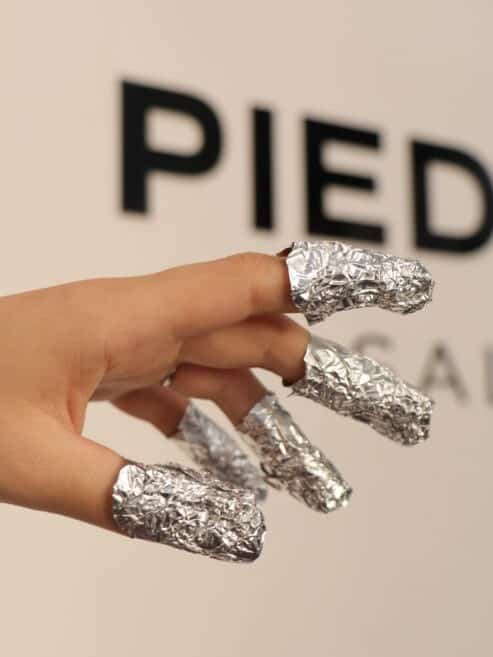
The soak-off method uses cotton pads saturated in acetone-based remover, placed on each nail and secured with foil or specialist plastic caps. The coating softens over 10 to 15 minutes, after which it is lifted away with an orange stick. No filing of the natural nail is involved. The main consideration with this approach is skin exposure to acetone during the soak period, which can cause temporary dryness or redness around the cuticle.

The machine-assisted method uses a precision drill with a milling attachment to reduce the gel coating layer by layer. A built-in vacuum system removes dust throughout the process, and the full removal takes no more than 15 minutes. This approach limits contact with acetone and is well suited to clients with strong, healthy nails and an experienced technician handling the tool.

The combined method addresses the limitations of each approach individually. The upper layer of coating is reduced with a milling attachment, and the remaining base layer is dissolved with a softer attachment or a targeted application of solvent. This minimises both mechanical stress on the nail plate and prolonged acetone contact.

After Gel Polish Removal

Once the coating is off, the nail surface is lightly buffed and treated with nourishing oil. Cuticles are attended to as part of the finishing step. Clients planning a fresh  shellac nail treatment at the same appointment can move directly into preparation for the new coat. For those taking a break between applications, the technician will advise on the condition of the nail plate and what to expect during recovery.

The full range of follow-on  nail care  services — from conditioning manicure to nail strengthening treatments — is available at both London locations immediately after removal.

How Often Should Gel Polish Be Removed?

Changing gel coating too frequently puts cumulative stress on the nail. The recommended interval is no more than once a month, which gives the natural nail time to recover its moisture and strength between applications.

Read More

How the gel polish removal Is Performed at PIED-DE-POULE

01
Consultation

The technician examines the existing coating — its thickness, condition, and how long it has been on — and checks the nail plate underneath where visible. The most appropriate removal method is confirmed before any product is applied.

02
Surface Preparation

The topcoat is lightly scored to break the seal and allow the remover to penetrate the coating more efficiently. This step takes under a minute and reduces the overall soak or machine time needed.

03
Gel Polish Removal

For soak-off: remover-soaked pads are secured to each nail with foil or caps and left for 10 to 15 minutes. For machine-assisted or combined removal: the technician works across all nails with a precision drill, reducing the coating in controlled passes. The method at this stage follows what was agreed at consultation.

04
Residue Clearance

Once the coating has softened or been reduced, any remaining product is lifted cleanly with an orange stick. No abrasive filing of the natural nail surface is used at this stage.

05
Buffing and Nail Care

The nail surface is lightly buffed to even the texture, then cuticle oil is applied and worked in around each nail. Skin that has been in contact with remover is moisturised.

06
Next Step Planning

The technician confirms the condition of the nail plate and discusses what comes next — a fresh shellac coat, a recovery period, or a conditioning treatment. Clients booking a manicure at the same visit move directly into nail preparation.

Why Choose gel nail polish removal at salon

  • Method Selected for Your Nails

    The technician chooses between soak-off, machine-assisted, and combined removal based on nail condition at that appointment. The right method reduces risk to the nail plate and makes the difference between nails that recover quickly and those that don't.

  • Professional Equipment Throughout

    Machine-assisted removal at PIED-DE-POULE uses a high-quality drill with an integrated vacuum system. This controls dust, improves precision, and keeps the process clean — details that matter when working close to the nail bed.

  • Nail Health as the Starting Point

    Removal is treated as a nail care procedure, not a preparatory step to rush through. The condition of the nail plate after removal directly affects how the next application performs and how long it lasts.

  • Acetone Exposure Controlled

    The combined and machine-assisted methods limit how long the skin is in contact with solvent, reducing the dryness and irritation that prolonged soaking can cause.

FAQ

  • How do you remove gel polish from nails?

    Cotton pads soaked in acetone-based remover are placed on each nail, secured with foil or plastic caps, and left for 10 to 15 minutes until the coating softens. The loosened gel is then lifted with an orange stick — no filing of the natural nail involved.

  • How to take off gel polish without acetone?

    A precision drill with a milling attachment can reduce the coating layer by layer without any solvent contact. This machine-assisted method takes up to 15 minutes and is suited to clients with strong, healthy nails — the technician assesses suitability before starting.

  • What do you use to remove gel nail polish?

    Professional removal uses either an acetone-based solvent, a specialist drill, or a combination of both. The choice of product and tool depends on the type of coating, its thickness, and the condition of the nail plate beneath it.

  • How long does it take to remove gel nail polish?

    Machine-assisted removal takes up to 15 minutes. Soak-off removal requires 10 to 15 minutes of soaking plus a short clean-up stage. A combined approach — drill followed by targeted solvent — sits within the same timeframe.

  • Does gel polish removal damage nails?

    Correctly performed removal does not damage the nail. Damage occurs when coating is peeled, filed, or scraped off without softening — which strips layers from the nail plate along with the gel.

  • Language:
  • Choose a location:
    Book Now