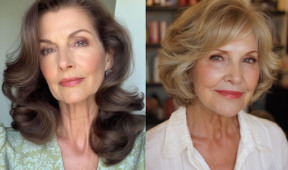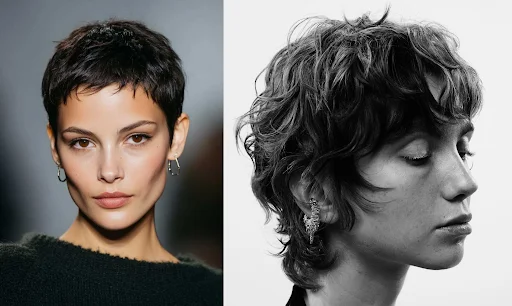
A haircut can look effortless in a photo and behave very differently at 8am on a weekday. This is particularly true of the bixie haircut: its short length makes the shape important, while its layers react noticeably to hair density, texture, growth pattern and humidity.
Sitting somewhere between a bob and a pixie, the bixie offers more movement and softness than a very short crop, without the weight of a conventional bob. Here is how to decide, whether you’d like this particular style of hair.
What is a bixie haircut?
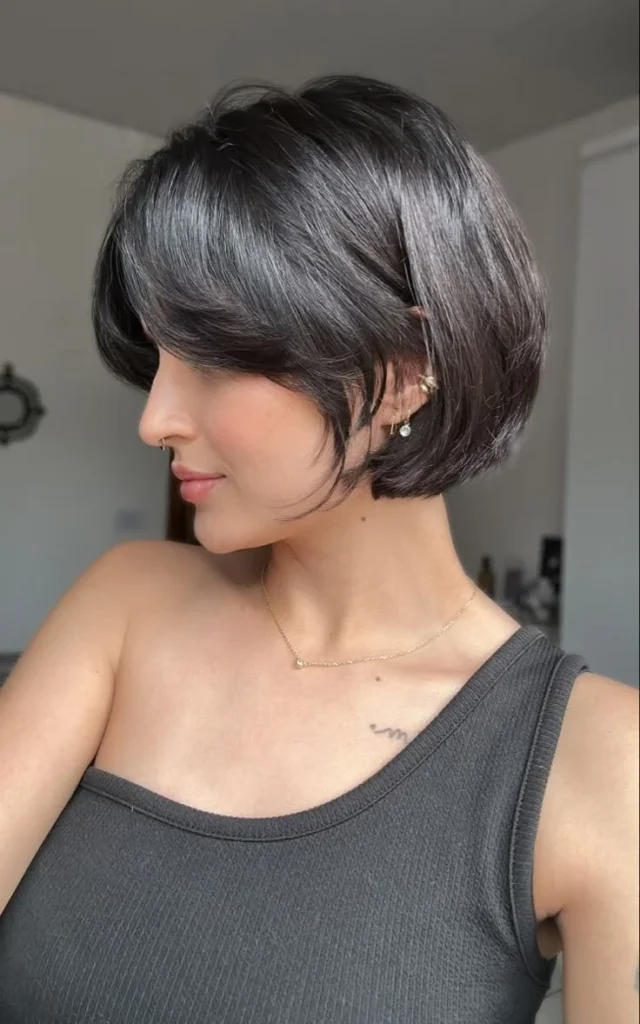
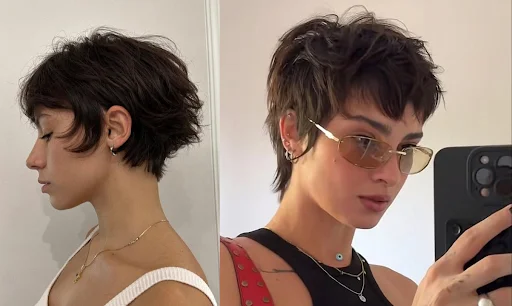
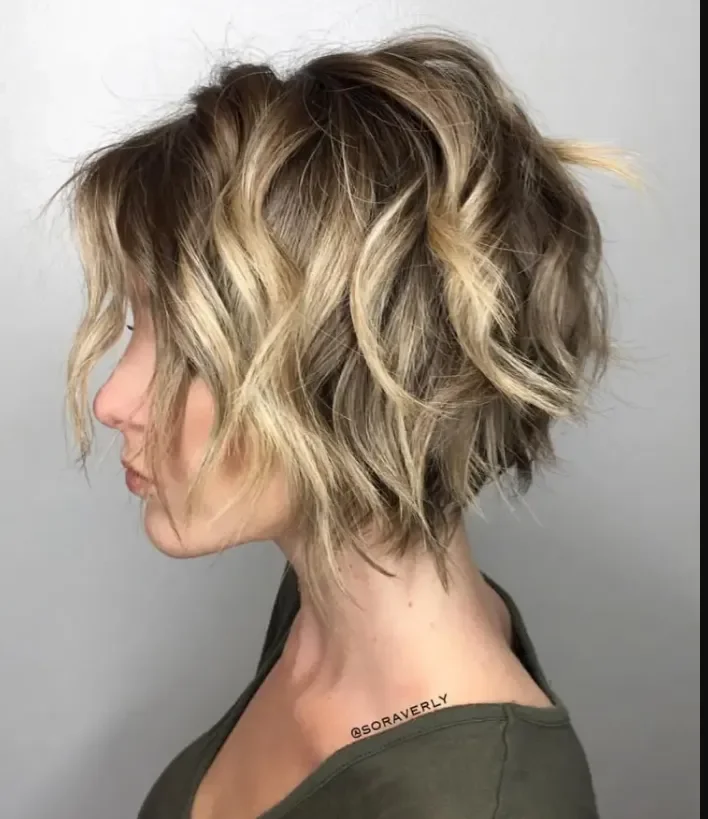
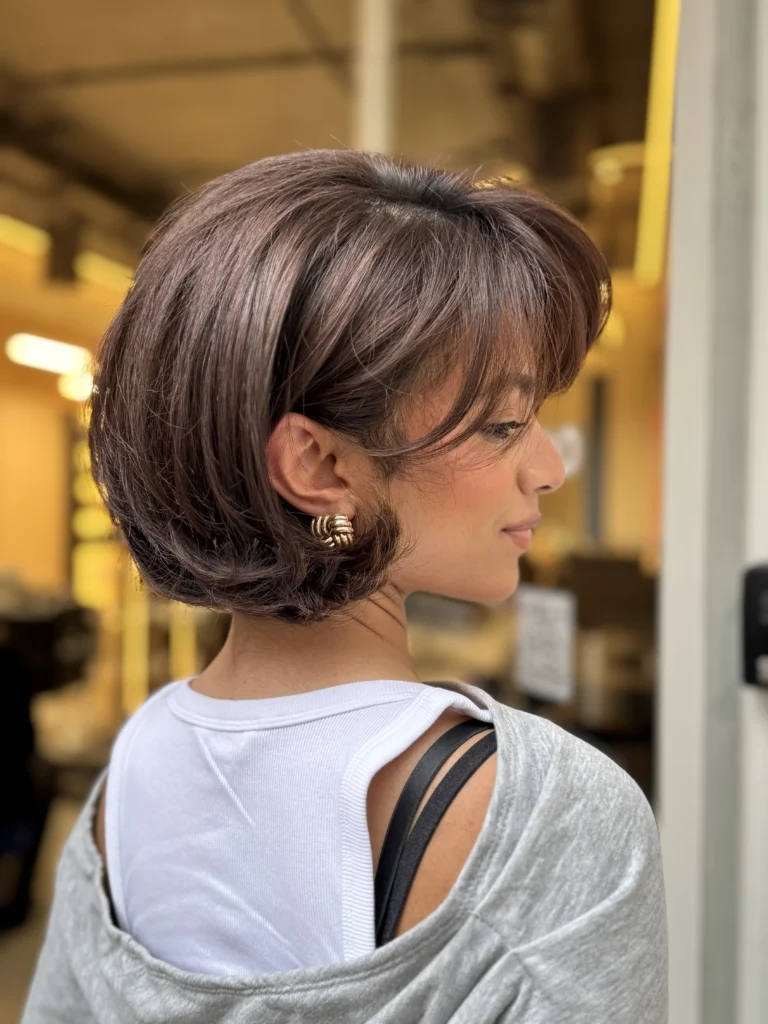
A bixie haircut combines elements of a bob and a pixie. It is generally shorter and more layered than a bob, but leaves noticeably more length around the face, crown or sides than a classic pixie. Hairstylists often use graduation and layers to create movement rather than one solid outline.
There is no single standard bixie. One version may sit close to the head with a long fringe; another may have a fuller, almost bob-like perimeter with a shorter layered back. That flexibility is precisely why hair texture matters.
A fringe can also change the proportions significantly. A longer side fringe tends to make a bixie softer, while a short or separated fringe pushes it closer to pixie territory. If the front section is important to the overall shape, regular fringe trims can keep it balanced between full haircut appointments.
Bixie vs Pixie vs Bob
| Feature | Bixie | Pixie | Bob |
| Typical length | Between pixie and short bob | Very short | Usually jaw-length or longer |
| Main structure | Layered, graduated, flexible | Cropped and compact | Stronger perimeter |
| Face-framing length | Usually yes | Limited to moderate | Usually yes |
| Natural movement | High | Depends on cut | Moderate |
| Styling options | Several, despite short length | More limited | Broad |
| Trim frequency | Roughly every 4-6 weeks | Often frequent to preserve shape | Usually slightly more forgiving |
| Best for | Someone wanting short hair without a full pixie | Someone comfortable with a definite short cut | Someone wanting more length and weight |
A short pixie bob bixie haircut therefore occupies a useful middle ground: enough length to change the parting, tuck sections behind the ears or wear a fringe, but short enough for the haircut itself to provide most of the silhouette.
Is a bixie haircut right for your hair texture?
Almost any texture can be cut into a bixie. That does not mean the same bixie should be used for every texture.
The placement of layers, amount of graduation and length left around the crown need to respond to how your hair naturally falls. Straight fine hair may need structure to create fullness; dense curls may need enough length to prevent the shape expanding higher than intended.
Fine hair
A fine hair bixie haircut can work particularly well because shorter lengths reduce the amount of hair pulling down from the root, while carefully positioned layers can create movement and lift. Layered bixies are also commonly recommended as a way of adding visual volume to finer hair.
The key word is carefully. Fine hair and thin hair are not the same thing: fine describes the diameter of individual strands, while thin refers to overall density.
For very fine hair, too much aggressive texturising can leave the ends looking sparse. A stylist may instead preserve more weight through the perimeter and introduce shorter pieces mainly around the crown.
Styling tip: use lightweight volumising mousse or root spray rather than heavy wax. Blow-dry the roots in the opposite direction to where you eventually want them to sit, then move the hair back into place.
Thick hair
A bixie haircut for thick hair is entirely possible, but controlling bulk becomes more important. Simply cutting thick hair short does not automatically make it easier to manage. Removing too much external length while leaving excessive weight underneath can create a triangular or mushroom-like shape. Some stylists therefore use internal layering or graduation to remove density without making every section visibly choppy.
Very coarse or extremely dense hair may require more styling than fine or medium hair in this cut; this is one reason some general bixie guides describe thick hair as a more demanding texture for the style.
In styling, focus on direction rather than maximum volume. A smoothing cream followed by blow-drying with a small or medium round brush can control the sides while preserving movement at the crown.
If your hair feels rough or repeatedly exposed to colour and heat, improving condition can also make a short layered shape easier to control. A salon Kevin Murphy hair treatment, for example, can be selected according to the current condition of the hair rather than texture alone.
Straight hair
A bixie haircut on straight hair shows the architecture of the cut clearly. Layers, graduation and the perimeter are all more visible because there is less natural bend to disguise them.
This makes straight hair especially suitable for sleek bixies, side-parted versions and softer ’90s-inspired shapes. It also means precision matters: if layers are poorly balanced, straight hair tends to reveal it.
For very straight, fine hair, leaving a little extra length around the front often gives more options than cutting everything uniformly short.
With this type of hair, use a small round brush to create lift at the root and a slight bend through the ends. For a flatter, cleaner finish, dry the hair in its natural direction and finish only the ends with a brush or straightener.
For days when you want the cut to look more polished than your everyday version, professional hair styling can also show you how different partings, texture and finishing techniques change the same haircut.
Wavy hair
Natural waves often give a bixie exactly the movement that straight hair has to recreate with styling.
The safest approach is usually to identify where your waves actually begin. If a strong bend forms just above the ear, for example, cutting directly into that point can make the side flick outward. Leaving or removing a centimetre can significantly change the result.
A wavy bixie can therefore be extremely low-effort when the haircut follows the existing pattern — and surprisingly high-maintenance when it fights it.
Styling tip: apply a small amount of light curl or texture cream to damp hair, scrunch gently and air-dry or diffuse. Avoid brushing the finished waves unless a softer, fluffier result is intentional.
Curly hair
Yes, a bixie haircut can be curly. In fact, curls can create a particularly expressive version because the layers give individual curl groups space to form. Curly bixies have been used successfully at both slightly longer and shorter lengths.
The main consideration is shrinkage. A bixie cut wet or stretched can appear considerably shorter once curls return to their natural shape. Density also affects the silhouette: removing too much weight in the wrong areas may cause the crown to expand, while leaving too much around the sides can make the haircut feel wider than expected.
The cut therefore needs to be planned around your curl pattern rather than around a straight-haired reference photo.
To style, apply leave-in conditioner or curl cream while the hair is still quite wet, define only the sections that need help, then diffuse at low speed or leave to dry naturally. Once dry, separate curls selectively rather than repeatedly touching the whole head.
Does a bixie match your lifestyle?
A bixie is often described as low-maintenance because there is less hair to dry and style. That is only half the story. Daily styling may be quick, but the haircut itself normally needs more frequent reshaping than a longer bob. A common maintenance interval is around four to six weeks.
A bixie may suit you if you:
- prefer five to ten minutes of styling rather than a long blow-dry;
- are comfortable returning for regular trims;
- usually wear your hair down rather than relying on a ponytail;
- like texture, movement or a slightly undone finish;
- do not mind using one or two styling products;
- want to go shorter without committing immediately to a pixie.
It may be less practical if you need to tie all of your hair back for work or sport, dislike regular salon appointments, or want a haircut that can grow for several months without changing character.
Quick checklist: is a bixie right for you?
A bixie is probably worth considering if you most of these suits your needs:
- willing shorter hair, but a pixie feels too short;
- glad to have the shape refreshed every 4-6 weeks;
- having at least a few minutes for my hair in the morning;
- you find layers and movement appealing;
- you are comfortable with your ears, jawline or neck being more visible;
- willingness to work with natural texture rather than force it into a completely different one every day.
At PIED-DE-POULE, these questions will sure be discussed with your stylist, as the result is agreed before the service begins – a principle built into the brand’s method rather than leaving the final shape to guesswork.
Face shapes that work best with a bixie
There is no single best face shape for a bixie. The useful question is where the cut should place volume, length and movement.
- Round face: a little more height at the crown and longer sections beside the face can create vertical balance. Very wide volume directly at cheek level may emphasise roundness.
- Square face: softer edges, curved fringe pieces or movement around the jaw can reduce the visual severity of a highly geometric crop.
- Heart-shaped face: a longer fringe and a little fullness towards the jaw can balance a broader forehead and narrower chin.
- Long or oval face: a fuller side profile, fringe or less exaggerated crown height can keep the cut proportionate.
A fringe is one of the easiest ways to adjust those proportions without redesigning the entire haircut.
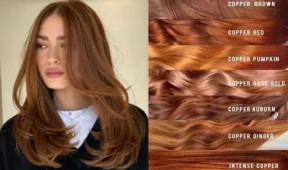
Hair colour can do something similar. Strategically placed highlights can bring dimension to short layers, while balayage can create softer transitions where a more blended result suits the haircut.
Styling and maintenance
A good bixie should not require a complete blow-dry routine every morning. It does, however, benefit from knowing what you want the finished texture to be.
- For a sleek bixie, dry the hair close to the head, direct the fringe into position and use a very small amount of serum on the ends.
- For a textured bixie, use mousse or texturising spray, dry while lifting the roots with your fingers and define selected sections once dry.
- For a wavy bixie, encourage the existing pattern rather than straightening first and rebuilding waves afterwards.
- For a curly bixie, prioritise moisture, definition and controlled drying. The aim is to keep the curl pattern intact rather than repeatedly disturbing it.
- For a fine or thin-hair bixie, avoid covering the entire haircut in heavy paste. Concentrated product can separate fine strands enough to expose more scalp rather than creating fullness.
The grow-out also deserves consideration. Because the bixie already sits between a pixie and bob, it can be a useful transitional haircut for someone growing out a shorter crop.
Who should choose a bixie haircut?
The strongest candidate is not a particular age, face shape or hair type. It is someone whose expectations match the haircut.
Choose a bixie if you want shorter hair with flexibility, like visible shape and movement, and are comfortable maintaining that shape regularly.
It can be particularly useful for fine hair when the objective is to create more apparent fullness, for wavy hair that already has natural movement, and for anyone who wants a shorter silhouette without going straight to a pixie.
A bixie haircut for thin hair needs more restraint with layering. A bixie haircut for thick hair needs thoughtful weight removal. Curly hair needs enough length to account for shrinkage. None of these are exclusions; they simply require different versions of the cut.
Age is not a restriction either. Searches for a bixie haircut over 50 or a bixie haircut for older women often focus too heavily on what supposedly looks fresher. A better approach is to consider density, texture, facial proportions and how much styling you genuinely want to do. The same principle applies to other hairstyles for women over 60: the cut should respond to the hair you have now, not to a number.
The easiest way to make a bixie predictable is to bring references, discuss the shortest length you are comfortable with, explain your normal styling routine and agree how the haircut should look without professional styling. A good salon result should still make sense the next morning.