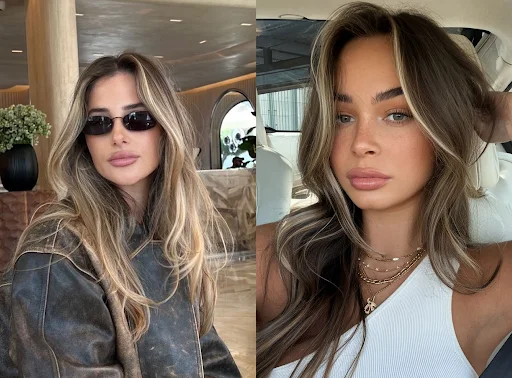
A full colour change is not always necessary to make hair look noticeably different. Sometimes, two carefully placed sections around the face can do most of the work.
That is the idea behind money piece hair: brighter or contrasting face-framing strands designed to bring light around the complexion and add dimension to the overall colour. The technique can be bold and graphic or blended almost invisibly into balayage, which is one reason it continues to appear in current colour trends.
From Black Mirror characters to the most iconic Dua Lipa looks, the style is recognizable and seems relatively simple to implement. Here’s more about how to prepare for the colouring and pick the best combination for your features.
What is a money piece?
A money piece is a section of colour placed around the front hairline, usually on both sides of the face. It can be lighter than the rest of the hair, darker, warmer, cooler or even an unconventional colour such as blue.
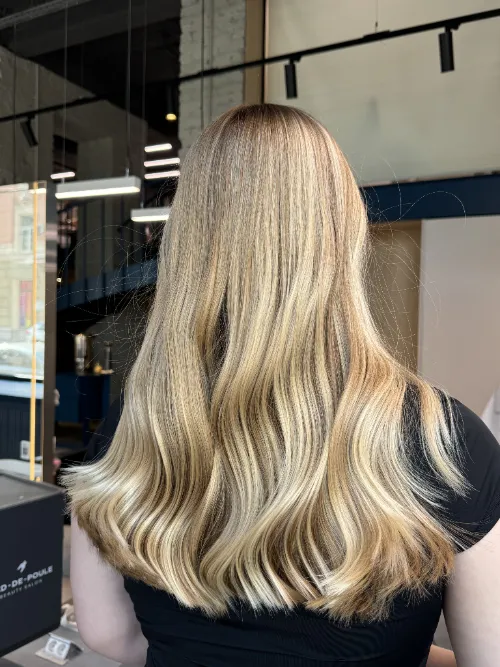
Technically, money pieces are a type of face-framing highlight rather than a separate colouring method. They can be added to classic highlights, incorporated into balayage, or combined with an ombre effect. Bright pieces around the hairline are also frequently used as part of balayage placement.
The finish depends on how much hair the colourist takes and how strong the contrast is. A subtle money piece may be only one or two shades lighter than the base. A chunky money piece creates a more obvious block of colour.
Why has money piece hair become so popular?
The look itself is not new. High-contrast front sections were particularly visible in the 1990s and early 2000s before returning in a softer form in recent years. Allure shows that one well-known version of the look was originated way back in the 1990s colour trends. And this year, ELLE included face-framing money pieces among its spring 2026 hair-colour trends.
Its appeal now is largely practical, as the colour is concentrated where it is most visible.
Benefits of money piece highlights
- They brighten the area immediately around the face.
- Less hair needs to be lightened than with full-head highlights.
- The width and contrast can be adjusted easily.
- They work with straight, wavy and curly textures.
- They can refresh existing balayage without completely changing the colour.
- A toner can alter the finish later without necessarily repeating the whole lightening process.
There are some disadvantages too. A very bright money piece can show regrowth more quickly, and repeatedly bleaching the same front sections can make them fragile. Hair lighteners weaken the hair fibre by removing pigment and affecting its protective structure, so careful application matters.
Who is money piece hair suitable for?
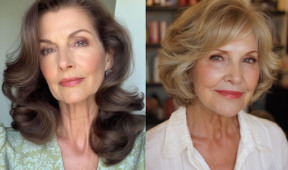
There is no single face shape, age or hair colour that the technique belongs to. Placement matters much more.
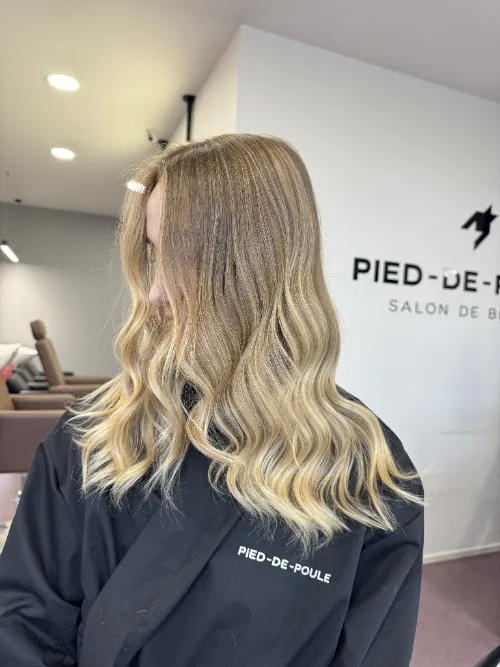
PIED-DE-POULE colourists recommend deciding first what you want the colour around your face to do. A narrow, diffused highlight creates light without dominating the hairstyle. A wider, brighter section becomes part of the haircut itself.
| Hair type and feature | Money piece approach |
| Round face | Longer, softly blended face-framing sections |
| Oval face | Most placements work; adjust mainly to haircut |
| Square face | Softer transitions rather than a hard colour block |
| Heart-shaped face | Brightness through the cheekbone and lower face |
| Fine hair | Thin sections and moderate contrast |
| Thick hair | Wider or layered sections can remain visible |
| Curly hair | Colour individual curls, as the approach is not like that with straight hair |
| Fringe | Integrate colour selectively through the fringe |
These are design guidelines rather than rules. A colourist should also consider your parting, natural movement and the way you normally style your hair.
Money piece hair colours
Blonde money piece
A blonde money piece is still the most recognisable version. On blonde hair, the difference can be extremely subtle: creamy or beige sections against darker blonde roots can simply make the colour appear brighter. It also works well alongside babylights when the aim is a softer result.
Money piece on brunette hair
Brunettes have much more room to play with contrast. A caramel money piece on brown hair gives warmth without creating the sharp contrast of platinum blonde. Chocolate, honey, beige and soft copper are also useful when the existing colour is warm. For a sunkissed result, the colour can be blended into California highlights.
Money piece on black hair
A money piece on black hair can be deliberately dramatic, but it does not have to be platinum.
Coffee, cinnamon, deep copper or muted brunette tones can create dimension while staying relatively close to the original colour. For something much stronger, blonde or blue money piece hair produces an intentionally graphic finish. The larger the difference between the natural base and target shade, the more lightening may be required.
Money piece for red hair
Copper hair works especially well with warm face-framing colour. Try strawberry blonde, pale copper or golden sections rather than automatically choosing a neutral blonde. This keeps the colour palette connected.
Money piece for grey hair
A money piece can also be used on naturally grey or transitioning hair. Instead of covering grey, the colourist may additionally emphasise existing silver strands with pearl, ash or icy sections around the face. The idea is all about making the distribution look deliberate and stylish.
Money piece for different hair types
Fine hair
With fine hair, very thick sections can visually separate from the rest of the hairstyle. Smaller highlights usually give more movement.
Our colourists would generally start conservatively here: you can always make the money piece wider at a later appointment.
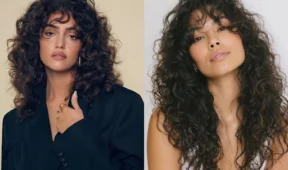
Curly hair
Money piece hair on curls requires a different approach because the highlighted strand changes position as the curl moves.
Colour should be planned while looking at the natural curl pattern, not just at straightened sections. Strategic colouring of individual curls often gives a cleaner result than creating two identical strips at the front.
Straight hair
Straight hair makes placement particularly visible. Blending therefore becomes important when the goal is natural-looking money piece balayage rather than a chunky contrast.
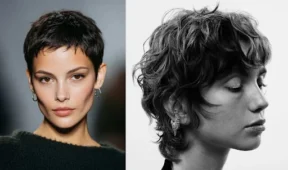
Money piece for short and long hair
On a bob or lob, even a small face-framing section can become a strong part of the haircut because there is less length for the colour to disappear into.
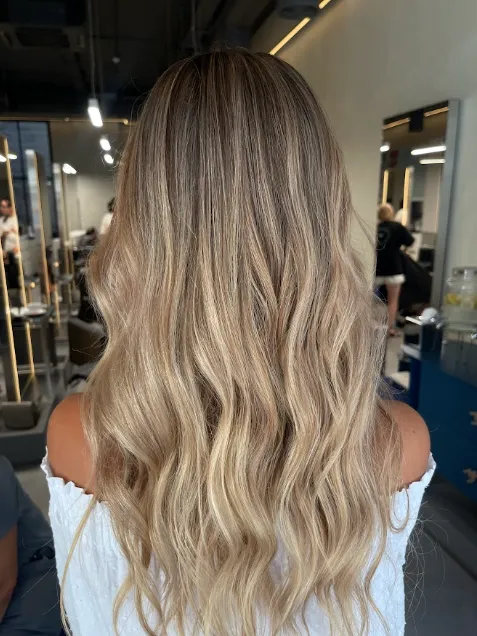
On long hair, the colour can continue through the lengths and connect with balayage or shatush.
Money piece with fringe
A money piece works with fringe, however it will be a mistake to assume the entire fringe needs to be lightened. Depending on the cut, the colourist might highlight only the outer corners, a few fine strands or the longer sections around the temples.
Common money piece mistakes
The most common problems are usually about proportion rather than colour itself:
- making the front section too wide for the haircut;
- choosing a tone that does not connect with the rest of the colour;
- repeatedly bleaching already fragile strands;
- creating identical placement without considering the parting;
- choosing a reference photo with a completely different base colour.
A good consultation should establish not only the shade but also how visible you want the money piece to be when your hair is tied back, worn naturally and styled.
Before your salon appointment
Bring two or three references rather than one perfect image. Show your colourist examples of both what you like and what you do not. It also helps to mention previous colouring, bleach, keratin treatments or home dye, because the history of the front strands affects how safely they can be lightened.
Useful questions include:
- How many levels of my hair will be lifted?
- Would a subtle or thick money piece suit my haircut better?
- Can it grow out softly?
- Will I need toner between lightening appointments?
- How often should these particular sections be recoloured?
For subtle changes between appointments, professional hair toning may sometimes be enough to refresh the shade.
How to maintain money piece hair
How often you need a salon appointment depends heavily on contrast. A subtle beige money piece on medium blonde hair can grow out relatively softly; platinum against dark brown will show its root much sooner.
For lightened hair:
- use conditioner after washing;
- reduce unnecessary high-temperature styling;
- use heat protection when styling;
- detangle gently;
- avoid repeatedly bleaching compromised sections.
The American Academy of Dermatology notes that chemical colouring and excessive heat can leave hair dry and brittle and recommends conditioning and reducing damaging styling practices.
Bleached hair is also more vulnerable to additional environmental damage, as lighteners can make the hair protein more fragile and recommends keeping heat exposure moderate.
From a scalp-health perspective, colouring should be postponed when the scalp is irritated or inflamed. NHS guidance for people with scalp eczema specifically advises against bleaching sensitive or affected skin.
A colourist tip by PIED-DE-POULE professionals: the front sections are easy to overprocess because they are small and tempting to refresh every time the roots appear. Sometimes toning or changing the placement is preferable to putting lightener through the same lengths again.
Choose a suitable option and effect for you – and reach out to PIED-DE-POULE for booking a consultation.