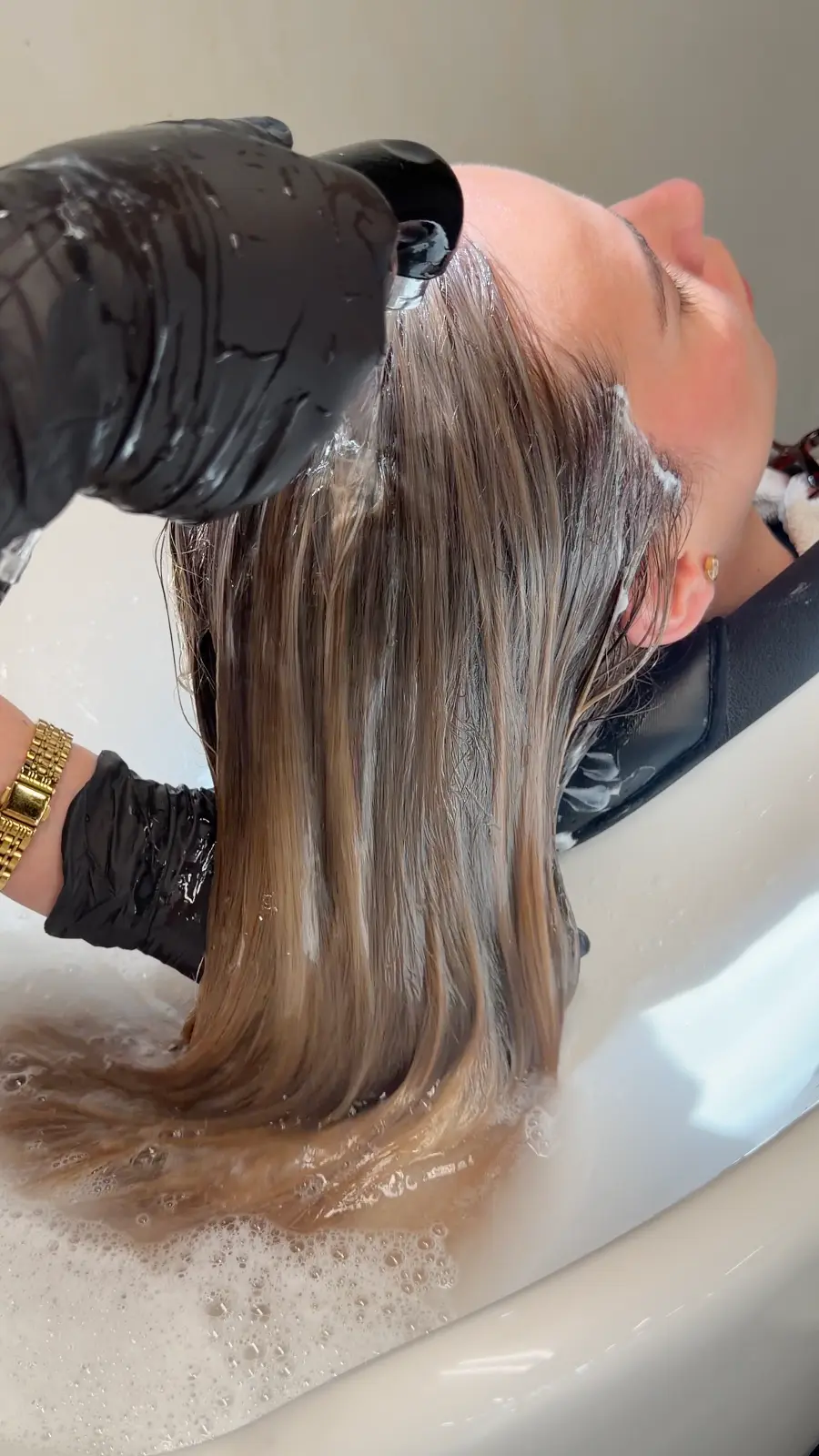
For most people, there is no single correct wash schedule. How often you should wash your hair depends mainly on your scalp, hair texture, chemical treatments and lifestyle. The most useful rule is to wash when your scalp needs cleansing, while treating the lengths according to their condition.
The American Academy of Dermatology (AAD) recommends washing according to how quickly the scalp becomes oily or dirty. Someone with straight hair and an oily scalp may need to shampoo every day, while dry, thick or curly hair normally needs less frequent cleansing.
That distinction matters if your goal is both volume and shine: leaving too much oil and product on fine hair can flatten it, while excessive cleansing can make dry or processed lengths rougher and duller.
There is no benefit to training your scalp
One persistent hair-care myth says that if you stop washing your hair frequently, your scalp will eventually learn to produce less oil. However, sebaceous glands do not work like that.
How oily your scalp becomes is influenced by factors such as genetics, hormones, age and individual sebaceous activity. Going longer between washes may make you more accustomed to the feeling of oily hair, but it does not reliably retrain the scalp to stop producing sebum.
In fact, delaying washing when the scalp is visibly oily, itchy or heavily coated in styling products can be counterproductive.
Cleveland Clinic dermatologists note that regular washing helps control oil, microorganisms and scalp inflammation, and signs such as itching, redness, dandruff and flaking may indicate that you are washing too infrequently. So if your roots look better when washed every other day, there is little reason to force yourself towards a once-a-week routine simply because social media calls it healthier.
How often you should wash your hair by hair type and texture
As a practical starting point:
- oily or fine hair: every day to every other day;
- normal scalp and medium-textured hair: around 2-3 times a week;
- dry, curly or coarse hair: once or twice a week, sometimes less;
- very tightly coiled hair: washing may be needed only every 1-3 weeks;
- bleached, coloured, permed or otherwise chemically treated hair: usually less frequently, provided the scalp remains comfortable and clean.
Hair texture also affects how quickly scalp oils travel down the hair shaft.
Curvy hair
Curves, waves and coils make that journey more difficult, which is one reason curly and coily lengths tend to feel drier. Curly hair generally needs less frequent shampooing because its lengths tend to be drier. On straight hair, sebum can move along the strand relatively easily.
For loose curls, this may mean roughly once or twice a week. Tighter curls and coils may comfortably go longer depending on scalp condition, products and styling routine. Wavy hair usually falls somewhere between straight and curly hair – and if you have fine waves and oily roots, washing every 2-3 days may keep the root area light without drying the ends. Coarser waves may be comfortable with once- or twice-weekly washing.
The AAD advises people with dry, textured, curly or thick hair to shampoo when needed and notes that some tightly textured hair may only require cleansing every 2-3 weeks.
Styling products also matter. Mousses, oils, creams and sea-salt products can build up even when the scalp itself is not particularly oily. Conditioning matters just as much as frequency. Applying conditioner through the lengths helps reduce friction and makes curls easier to detangle.
Straight hair
Fine hair is easily weighed down by oil, sweat and styling residue. For many people with this texture, washing every day or every other day is reasonable, particularly if the scalp becomes oily quickly. The AAD specifically notes that people with oily scalps and naturally straight hair may need frequent washing.
For volume, focus shampoo on the scalp rather than scrubbing the lengths. Conditioner can then be concentrated from the mid-lengths down.
Maintenance for oily hair
If your roots look greasy by the end of the day, daily shampooing can be perfectly appropriate. Choose a cleanser that removes sebum without leaving the hair feeling squeaky or rigid. One thorough wash is often preferable to layering dry shampoo for several consecutive days.
The AAD advises that dry shampoo is a styling aid rather than a replacement for water and shampoo, and suggests washing normally after one or two dry-shampoo applications.
How to take care of dry and itchy scalp
Flaking can occur because of dryness, irritation, product build-up, dandruff or conditions such as seborrhoeic dermatitis. These need different approaches.
If your scalp is genuinely dry and not oily or inflamed, washing less frequently and using a gentler cleanser may help. Very hot water and harsh cleansing can increase dryness.
But persistent itching, scaling or redness deserves closer attention rather than an increasingly long gap between washes.
Getting rid of dandruff
With dandruff, washing less is not necessarily better. The AAD says mild dandruff can often improve with regular washing. For people with straight or oily hair, dandruff shampoo may be needed around twice weekly alongside more frequent normal washing. Curly or coily hair may only need medicated shampoo roughly once a week, depending on the product and dermatologist’s advice.
Follow the instructions on the treatment shampoo: some active formulas need to stay on the scalp for several minutes before rinsing. If dandruff does not improve, or if the scalp becomes very red, painful or inflamed, it is better to speak to a dermatologist.
Washing hear after salon treatments

Chemical processing changes the hair fibre, so the scalp and lengths may need very different things.
How often to wash coloured hair
A useful starting point is 2-3 times a week, unless your scalp needs more frequent cleansing. Repeated shampooing can accelerate colour fade, especially when combined with very hot water. K18 notes that frequent washing can contribute to faster colour loss.
If the roots become oily sooner, you do not necessarily need to tolerate them for the sake of the colour. A colour-safe shampoo and careful application primarily to the scalp can be a better compromise.
How often should you wash your bleached hair?
Bleached hair is usually more porous and prone to dryness and breakage, so avoiding unnecessary washes can help minimise repeated wetting, detangling and heat styling.
For many people, two or three washes per week is manageable, but the scalp should still determine the actual schedule.
If the lengths feel fragile after lightening, professional hair care treatments can be incorporated into a wider maintenance plan rather than relying only on less frequent washing.
For heavily processed hair, a bond-focused treatment such as K18 may also be used where appropriate as part of salon care.
Washing permed hair
After a perm, the priority is preserving the newly formed shape and keeping the hair conditioned. Once your stylist has advised that the initial post-service waiting period is over, many clients find that around once or twice weekly works well for permed hair, although oilier scalps may need more frequent cleansing.
For both women’s hair perm and perms for men, a gentle shampoo and hydrating conditioner are usually more important than forcing a fixed wash interval.
Avoid rough towel drying and aggressive brushing, which can disrupt curl definition and increase frizz.
Washing your hair after keratin treatment
After a keratin smoothing treatment, always follow the specific aftercare instructions provided for the formula used. Once normal washing can resume, washing less often may help prolong the cosmetic finish. For many people that means approximately 2-3 times per week rather than daily cleansing.
Sulphate- or sodium-chloride restrictions can vary between professional systems, so it is worth following your stylist’s product recommendations rather than applying a generic rule to every keratin service.
Looking after hair with extensions
Extensions change the technique of washing more than the basic need for scalp hygiene. With professional hair extensions, the roots still need to be cleansed, but bonds, tapes or attachments should not be rubbed aggressively.
For tape-in hair extensions, many people find around 2-3 washes per week practical, depending on scalp oiliness.
When washing:
- keep the hair upright rather than piling it on top of the head;
- massage shampoo gently into the scalp;
- avoid pulling or twisting around the attachment points;
- apply conditioner through the lengths rather than directly over tapes or bonds unless your stylist advises otherwise;
- dry the attachment area thoroughly.
How often should men wash their hair?
There is no separate biological rule for men. The answer still depends primarily on scalp oiliness, hair texture, styling products and activity levels.
Someone with short, fine, oily hair may comfortably shampoo every day. A man with longer curls or a perm may need considerably fewer washes. Short hair can make scalp oil more noticeable because there is less length for sebum to travel along, which partly explains why frequent washing works well for many short styles.
How washing frequency affects hair growth
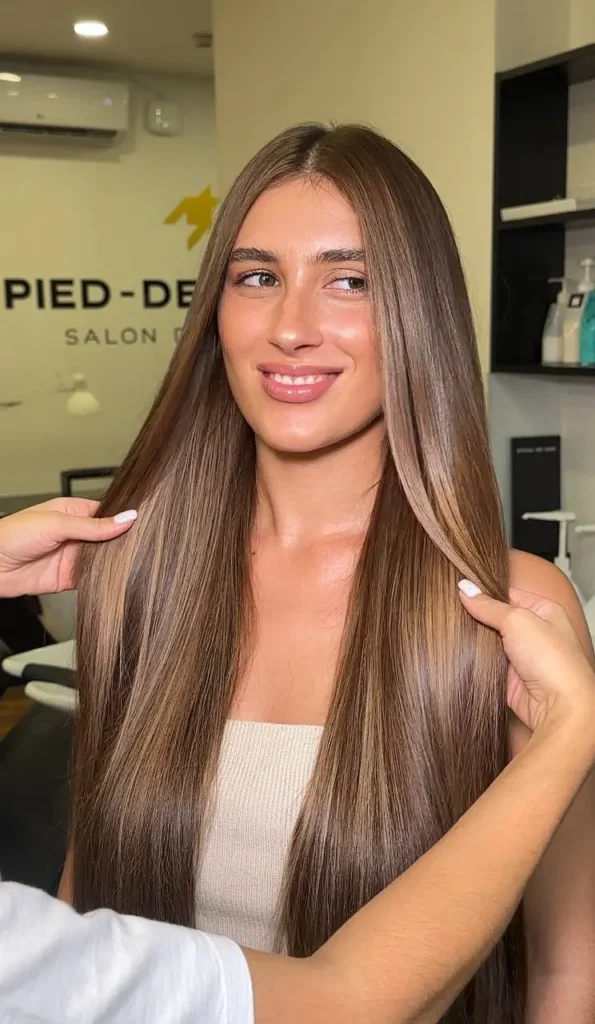
There is no evidence that simply washing your hair more or less often will make follicles grow hair faster. So how often should you wash your hair for hair growth? Often enough to keep the scalp comfortable and free from problematic build-up, without using a routine that leaves the lengths excessively dry or prone to breakage.
Hair growth occurs at the follicle. What your washing technique can affect is how much existing hair breaks, tangles or becomes damaged. That means a healthy routine focuses on scalp cleanliness plus protecting the hair shaft.
Washing hair: professional techniques
Frequency is only half the story. Technique can make the same wash schedule work much better. A good salon-style routine is simple:
- Wet thoroughly. Give the hair enough time to become fully saturated.
- Shampoo the scalp, not the ends. The lather travelling through the lengths during rinsing is usually enough to clean them. This is also the approach recommended by the AAD.
- Repeat only when needed. A second shampoo can be useful after heavy product use, but it does not have to be automatic.
- Condition according to texture. Fine hair may need conditioner mainly on the ends; dry and curly hair often benefits from conditioning throughout the lengths.
- Rinse properly. Residue can make roots look flat and lengths feel coated.
- Handle wet hair gently. Avoid aggressive towel rubbing and detangle with minimal tension.
- Use heat thoughtfully. High heat can increase dryness and damage; the AAD recommends low-to-medium settings and heat protection.
If hair repeatedly feels dull, rough or difficult to style despite a sensible routine, the answer may not be another shampoo. A professional assessment can identify whether the issue is product build-up, chemical damage, lack of conditioning or simply the wrong products for the hair texture. Salon systems such as Kevin Murphy treatments can then be selected according to the actual condition of the hair.
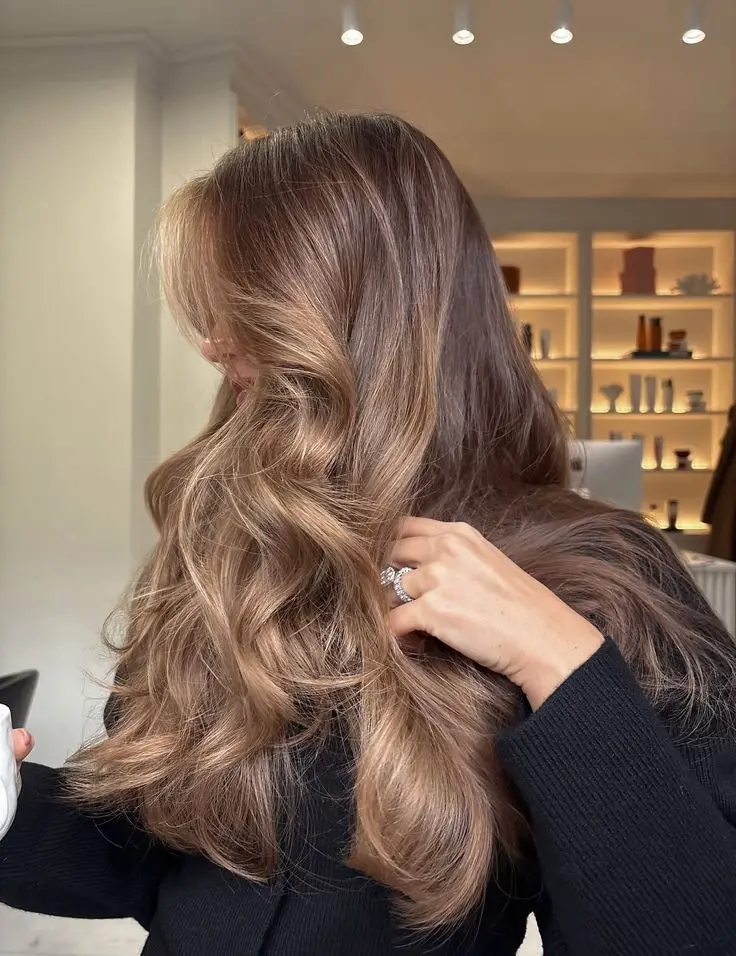
Professional salon tips to extend the life of your wash
To keep roots fresher without drying the lengths unnecessarily:
- avoid applying masks, rich oils and heavy conditioners directly to fine roots;
- wash brushes regularly so old oil and styling residue are not transferred back onto clean hair;
- use dry shampoo before the hair becomes extremely greasy rather than layering large amounts afterwards;
- avoid constantly touching or brushing the roots;
- rinse sweat from the hairline after intense exercise if a full wash is not needed;
- keep pillowcases and styling tools clean;
- choose treatments based on what your hair needs now, not simply whether it is labelled dry or damaged.
PIED-DE-POULE’s wider approach is based on diagnosing the condition and agreeing the expected result before choosing the service, rather than applying the same routine to everyone. That principle is particularly relevant to hair care, where oily roots and dry, coloured lengths can easily coexist.