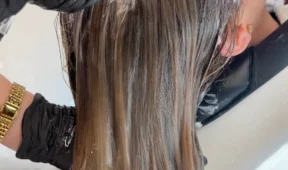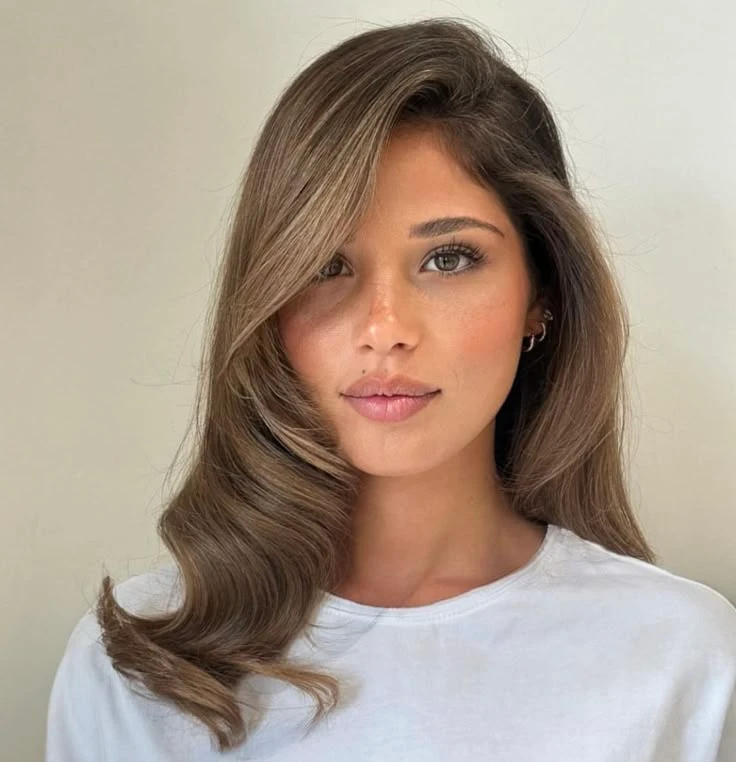
There is a reason bronde keeps coming back into the conversation. It sits in the sweet spot between brunette and blonde: lighter and more dimensional than classic brown, but softer and usually easier to maintain than an all-over blonde.
For 2026, the colour has moved even further away from obvious blonde streaks. British Vogue and Glamour UK point to richer, deeper blonde tones and gentle transitions as part of this year’s bronde direction, while newer interpretations range from caramel bronde for autumn to soft, almost neutral cashmere bronde, worn by such stars as Kaia Gerber and Hailey Bieber.
That flexibility is exactly what makes it useful. Bronde can warm up dark hair, add depth to an existing blonde, soften a grown-out balayage or give naturally mid-brown hair more movement without making the colour look dramatic.
And despite the name, there is no single formula for hair colour bronde. Your version can be golden, beige, mushroom-toned, caramel, cool or almost brunette. The important part is balance.
What is bronde hair colour?
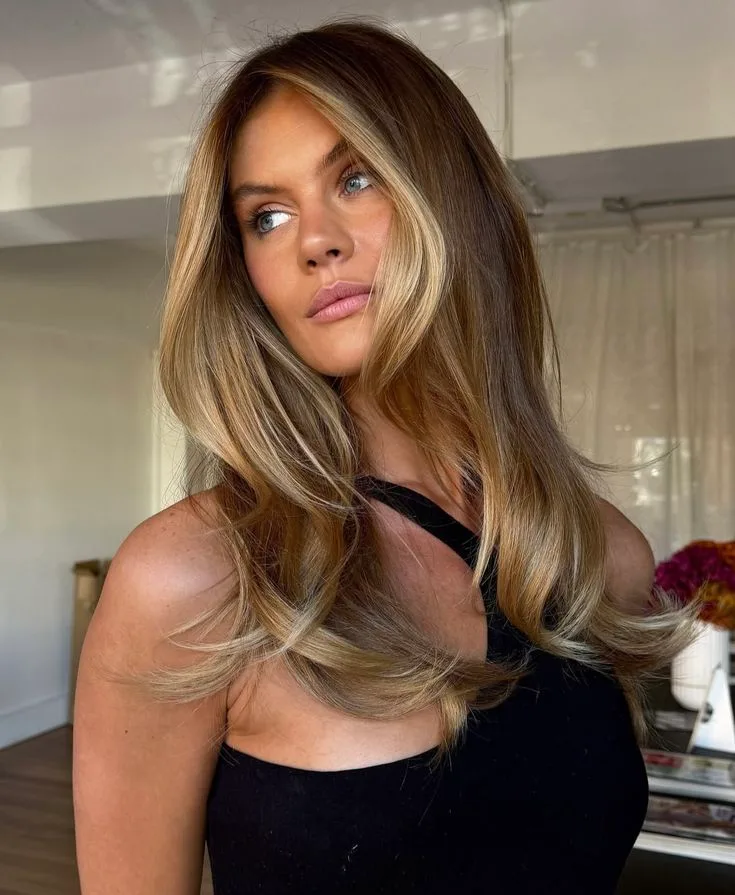
Bronde is a blend of brown and blonde tones within the same colour result. Instead of clearly separating the two shades, a colourist works with highlights, lowlights, toning and the existing base so they flow into one another.
Think of it less as brown hair with blonde highlights and more as a spectrum between brunette and blonde.
A good bronde normally has three defining features:
- depth at the roots or through the interior of the hair;
- lighter pieces placed where they create movement and brightness;
- a toner or gloss that brings the different shades together.
This is also why typing hair color bronde into a search bar produces such different-looking results. One person may have a deep brunette base with caramel ribbons; another may technically be blonde but use darker lowlights and a root melt to create a bronde finish.
The current direction is particularly natural-looking. British Vogue describes 2026 hair-colour trends as being centred on gentle transitions and added dimension rather than drastic colour changes.
For brunette hair that needs controlled brightness rather than an all-over colour change, strategically placed highlighting is one of the ways a colourist can begin building that balance.
Popular bronde hair styles and shades
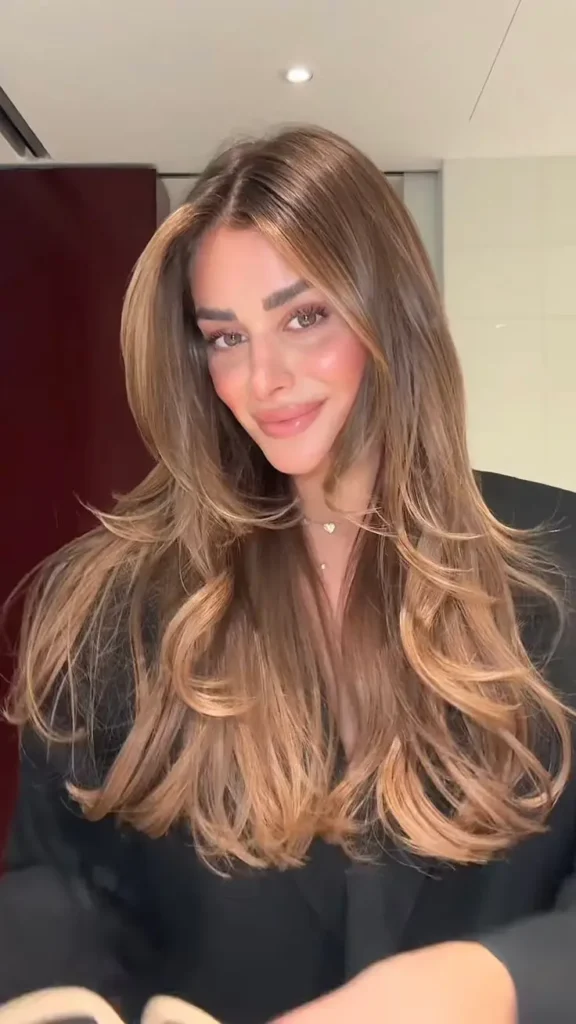
Bronde tells you roughly where the colour sits on the blonde-to-brunette spectrum. It does not tell you whether the finished shade will be warm, cool, light or dark.
Here are some of the most useful variations to know before you start saving reference photos.
| Bronde shade | What it looks like | Cases when it looks particularly well | Maintenance |
| Caramel bronde | Warm brown with caramel and golden ribbons | You want richness and visible dimension | Low-medium |
| Ash bronde | Beige, taupe and cooler blonde tones | You prefer a muted rather than golden finish | Medium |
| Mushroom bronde | Cool brown, taupe and soft beige | You like understated, neutral colour | Medium |
| Warm bronde | Honey, golden beige and warm brown | Your hair naturally pulls warm or you want a sunlit effect | Low-medium |
| Dark bronde | Brunette-dominant with subtle lighter pieces | You want a small change from dark hair | Low |
| Bronde balayage | Hand-painted blonde and brown transitions | You prefer soft regrowth and dimension through the lengths | Low-medium |
Caramel bronde hair colour
Caramel bronde hair colour has enough warmth to make brunette hair look richer without turning it copper or red. This is also one of the shades carrying bronde into autumn 2026: recent trend coverage has highlighted caramel bronde as a seasonal option built around soft caramel pieces and brunette depth.
It works particularly well when the lighter pieces are not identical. A mix of beige-gold and caramel usually looks more natural than one repeated highlight colour.
Ash and mushroom bronde hair
At the other end of the spectrum is ash bronde hair colour. Here, golden warmth is deliberately reduced in favour of beige, smoky brown and cool blonde.
Mushroom bronde hair is similar but often deeper and more taupe. It can be a beautiful option when you want dimension without the obvious brightness associated with traditional blonde highlights. Cool bronde does require realistic expectations, though. Natural warmth can gradually become more visible between appointments, so toning may form part of the maintenance plan.
Bronde balayage hair
Bronde balayage hair is probably the easiest way to picture the modern version of this colour. The lighter areas are painted through selected sections rather than taken uniformly from root to tip, leaving enough of the deeper base visible to preserve contrast. A balayage approach can also make the transition at the root softer as the hair grows.
For an even more sun-touched finish, finer California highlights can be used around the face and through areas where hair would naturally become lighter.
Bronde lob
Bronde is not dependent on long hair. A bronde hair lob can actually show the colour contrast very clearly because the lighter pieces move through a relatively compact shape.
On shorter hair, placement matters more than quantity. Too many light sections can quickly turn a bronde bob or lob into blonde; a few well-positioned pieces can be enough.
Bronde hair for different hair types and skin tones
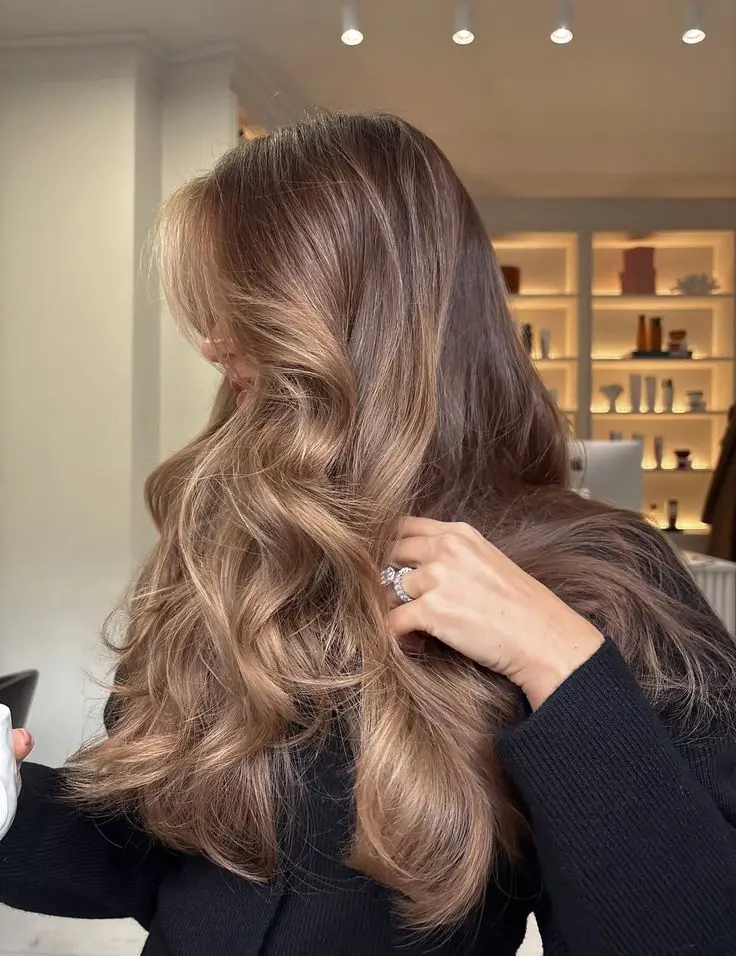
When chosing from a shade chart, keep in mind that your starting colour, undertone, hair density, texture and previous colour history all affect the result.
Choosing bronde by skin tone
There are no hard rules about nitpicking shades up for various complexions. It is more useful to match the temperature and contrast.
For bronde hair on pale skin, for example, very yellow highlights against a cool complexion may feel disconnected. Beige, neutral or mushroom bronde can create a softer transition. Pale skin with warmer peachy undertones, meanwhile, may work beautifully with honey or caramel.
As a general starting point, look at your veins – they will define the undertone you have. Greenish or peachy veins on your wrists are usual for warm skin tones, while pink and blue define cooler colours. And here’s how they go with various styles:
- cool or rosy undertones go with beige, ash, taupe, mushroom bronde;
- warm or golden undertones: caramel, honey, golden and warm bronde;
- neutral undertones: both families can work, so eye colour and natural hair depth may guide the decision instead;
- deeper skin tones: richer caramel, toffee, honey and deep bronde can create dimension without removing too much depth.
But this is a guide, not a formula. The surrounding base colour often matters just as much as the lightest highlight.
Fine, thick, straight and curly hair
On fine hair, small variations in colour can create the impression of more visual depth. Very chunky highlights, however, may make the overall colour look flatter once the hair is styled straight.
Thick hair gives a colourist more space to work with multiple shades. Highlights can be distributed through different layers so the colour appears throughout the haircut rather than sitting only on the surface.
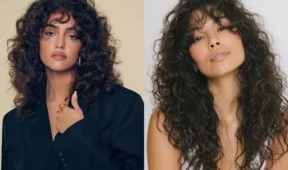
On curly and wavy hair, slightly broader or strategically placed ribbons may be needed because very fine highlights can disappear into the curl pattern.
Straight hair reveals every transition, so the blend between dark and light needs to be particularly clean.
Bronde hair extensions
Bronde hair extensions can work well, but matching them involves more than finding one approximate shade. Because bronde is multidimensional, an extension in one flat colour can look noticeably separate from the natural hair. The best match may involve mixing two or more extension shades or toning the natural hair and extensions into the same colour family.
How to get bronde hair: techniques and process
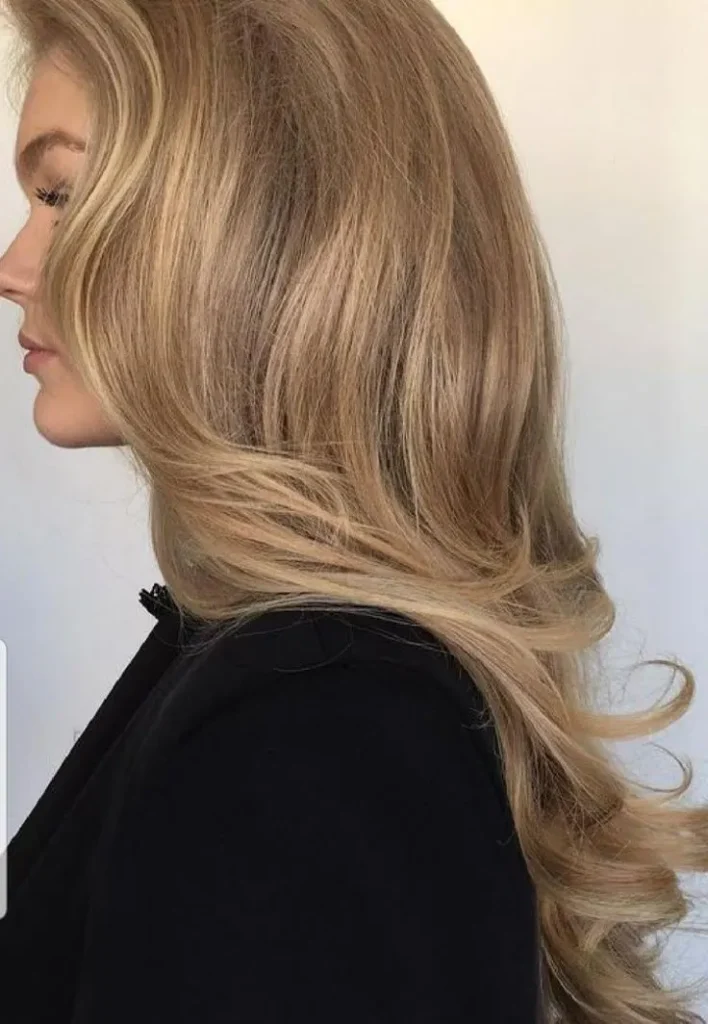
There is no single “bronde technique”. A colourist chooses the method according to where your hair is starting and where you want it to finish.
A typical appointment may involve:
- Assessing your current colour. Natural roots, old highlights, box dye and previously lightened sections can all react differently.
- Agreeing on the target depth and tone. Do you want to appear mainly brunette, exactly in-between, or almost blonde?
- Creating dimension. This may involve balayage, highlights, lowlights, a root shadow or several techniques together.
- Toning the hair. The final toner helps control warmth and connect the lighter and darker sections.
- Planning future appointments. A good colour plan takes regrowth into account from the beginning rather than treating it as a problem later.
PIED-DE-POULE’s approach is to agree on the expected result before work begins – a practical fit for bronde, where words such as warm, natural or even light can mean very different things to different people. The brand’s wider method is built around clarifying and fixing the expected result before execution.
Going from blonde to bronde hair
Moving from blonde to bronde hair does not simply mean applying brown dye over blonde lengths. Very light hair may need some of the missing warmth restored before darker colour can look natural and hold evenly. A colourist might add lowlights, deepen the root and introduce a warmer or neutral gloss gradually.
The advantage is that you can keep selected lighter pieces around the face or through the ends to preserve brightness and to avoid washing off the blonde.
Going from brunette to bronde
For a brunette, the process usually runs in the opposite direction: selected areas are lightened while enough natural or deeper colour remains untouched. This is where techniques such as balayage can be useful. If you prefer the colour to move more clearly from darker roots into lighter lengths, ombre colouring offers another approach, although classic ombre usually creates a more noticeable gradient than bronde.
How to ask for bronde hair in the salon
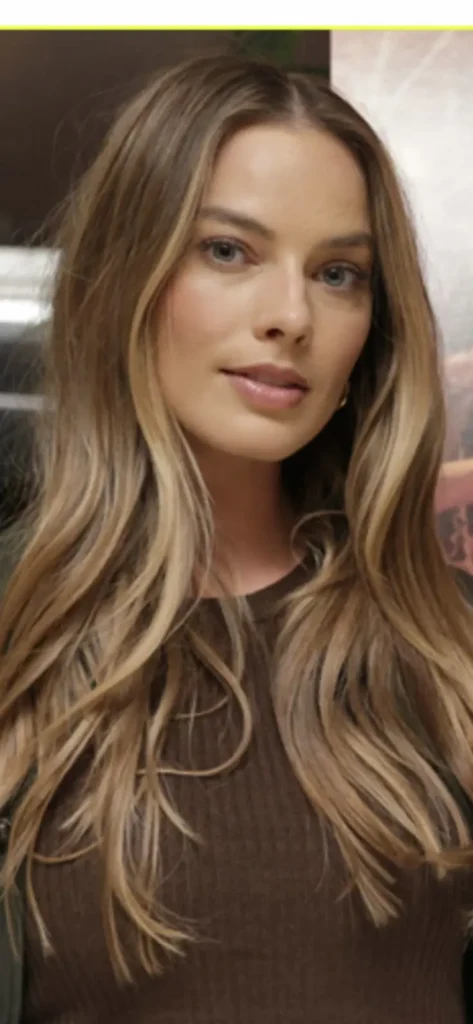
Bring two or three reference photographs and explain what exactly you like in each one. Is it the brightness around the face? The darker root? The caramel tone? The fact that the ends remain brunette? It also helps to tell your colourist what you do not want, such as avoiding blonde ends. This details give far more useful information than a trend name alone.
It is also worth showing how you normally wear your hair. A colour that looks ideal in a curled reference image may appear very different when worn straight.
For a wider overview of available approaches, see PIED-DE-POULE’s hair colouring services.
Bronde hair maintenance: professional care tips
One of bronde’s main attractions is that it can be lower-maintenance than a bright, root-to-tip blonde. British Vogue’s 2025 trend report similarly described sun-kissed bronde as popular partly because of its easy, lived-in character, while current 2026 versions continue to favour subtle transitions over hard lines.
To keep it looking balanced:
- use products intended for colour-treated hair;
- apply heat protection before hot tools;
- avoid excessive heat if the hair has been substantially lightened;
- use a hydrating or strengthening mask when your stylist recommends one;
- refresh the toner or gloss when the shade begins to lose its intended temperature;
- protect hair from strong sun and chlorine where possible;
- book lightening appointments as soon as the colour actually grows out.
Purple or blue products are not mandatory for every bronde – on a warm caramel bronde, aggressively neutralising all warmth can work against the intended colour. While on cooler ash bronde, an appropriate toning routine may be more useful. The simplest maintenance plan is the one designed around the shade you actually chose.