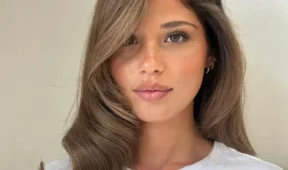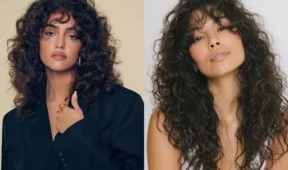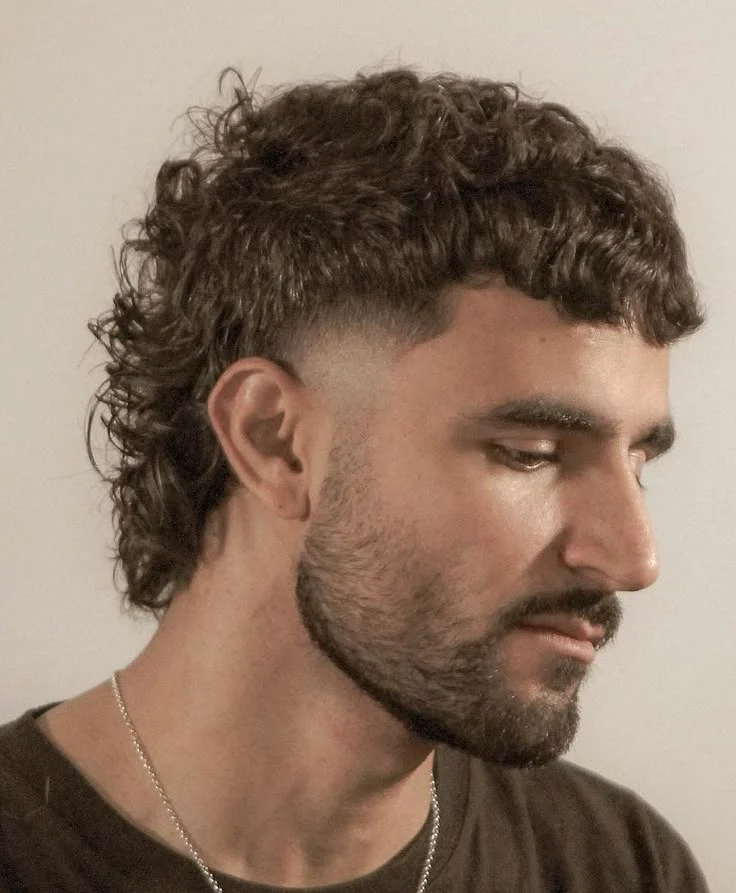
The modern mullet haircut gets far more than “short at the front, long at the back” formula. The current version is softer, more textured and much easier to adapt to different faces, genders and hair types.
British GQ has described the mullet as one of the retro cuts that has returned in a more flexible form, while British Vogue has tracked its revival across fashion and celebrity culture.
So, mullet can be an option for everyone, the main issue is which version will work with your face shape, texture and everyday styling routine.
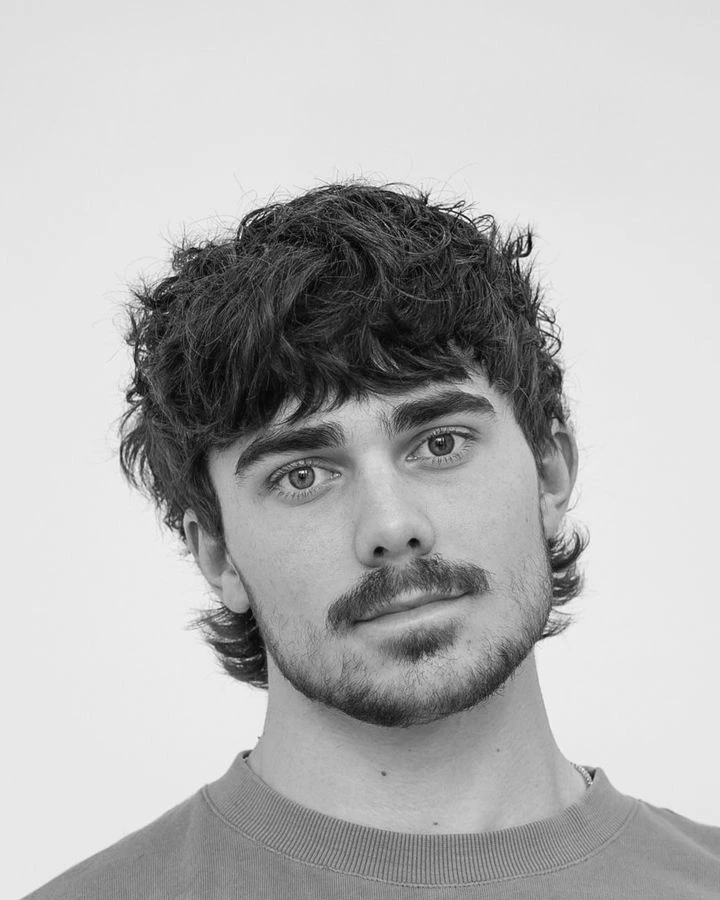
What is a mullet hairstyle?
A mullet is a haircut with a noticeable difference in length between the front and sides and the back. The traditional version created a strong contrast: short around the crown and temples, much longer at the nape. Modern mullets often soften that contrast with layers, texture, tapers or a fringe.
That means a contemporary mullet can be:
- subtle and almost shag-like;
- heavily layered and messy;
- cropped at the sides;
- combined with a taper or fade;
- worn straight, wavy or curly.
If you are considering a significant shape change, a professional haircut consultation is particularly useful because the length distribution needs to work from every angle, not just from the front.
History of the mullet: from the ’80s to the modern version
The haircut itself is far older than the 1980s. History sources trace short-front, long-back styles back centuries, while noting that the word mullet for the hairstyle became established much later.
The shape became especially visible in music and pop culture during the 1970s and 1980s. British Vogue points to David Bowie, Jane Fonda and later generations of musicians and actors as part of the haircut’s long association with rebellion and individuality.
Today’s version is generally less rigid. The transition between sections can be softer, the back does not have to be extremely long, and the sides can range from full and shaggy to tightly faded.
The fact that British GQ was still discussing mini-mullets and mullet-inspired cuts in 2026 shows that the shape has moved well beyond a short-lived revival.
Types of mullets
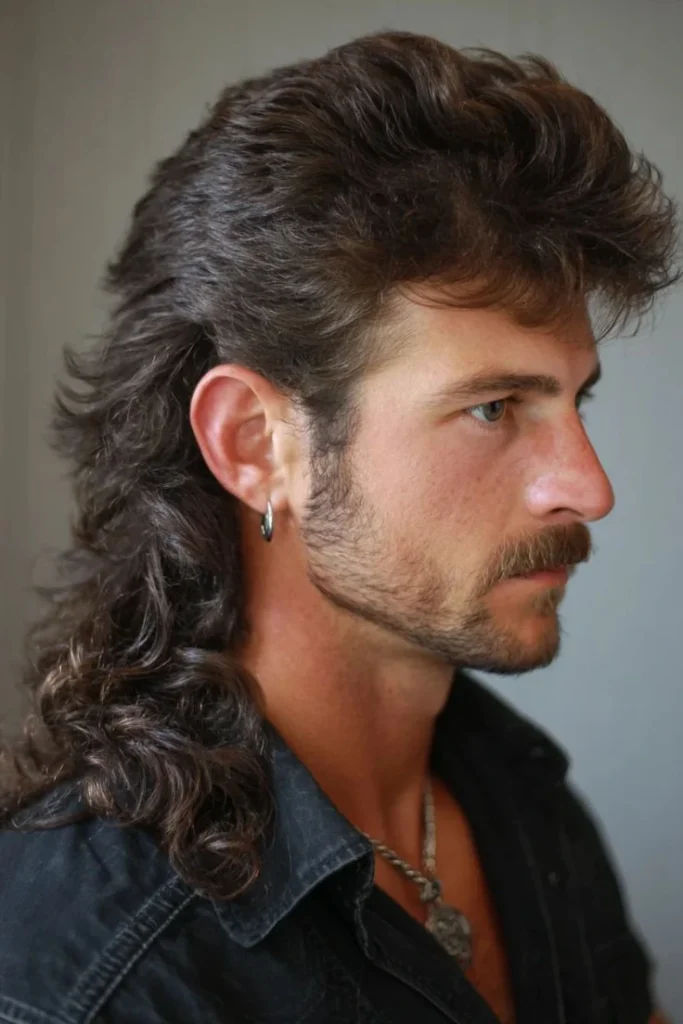
The easiest way to understand the cut is by how much contrast it creates.
| Type | Main feature | Best for |
| Classic mullet | Strong short-to-long contrast | A more statement look |
| Shaggy mullet | Soft layers and loose shape | Wavy or naturally textured hair |
| Textured mullet | Choppy, separated layers | Fine to medium hair needing movement |
| Layered mullet | Blended graduation through the crown | Longer hair |
| Tapered mullet | Cleaner temples and neckline | A neater everyday version |
| Fade haircut mullet | Faded sides with a longer back | Sharper masculine styles |
| Textured fringe mullet | Fringe becomes a focal point | Balancing forehead or face proportions |
Modern mullet by face shape
A mullet can be adapted by changing the fringe, side volume and length at the back.
- Round face: a little height through the crown and less width at the sides can create a longer visual line.
- Square face: softer layers and a less severe fringe can balance stronger jaw angles.
- Oval face: most variations work, so the decision can focus more on texture and personal style.
- Long face: avoid excessive height at the crown. A fuller fringe and more width around the sides can help balance proportions.
- Heart-shaped face: texture around the jaw and nape can balance a broader forehead.
A fringe can completely change how the cut frames the face. If you are unsure between blunt, curtain or textured bangs, the salon’s bangs and fringe service is a useful reference.
Modern mullet by hair type
Straight hair
Straight hair makes the structure of the haircut very visible. A textured mullet works well because internal layers prevent the shape from looking too heavy.
Wavy hair
Waves naturally suit a shaggy mullet. They create movement between the shorter crown and longer back without requiring much styling.
Curly hair
Curly mullets can be especially effective because the curl pattern softens the difference in length. The stylist needs to account for shrinkage, particularly around the fringe.
Fine hair
A shorter crown and carefully placed layers can create more lift. Too much thinning, however, can make fine hair look sparse.
Thick hair
Thick hair gives plenty of material for a layered or tapered mullet, but internal weight removal is often necessary to keep the silhouette controlled.
Mullet variations – find your style
Mullet haircut for men
The mullet haircut male version often combines a longer nape with cropped or tapered sides. Modern mullet hairstyles for men can look polished rather than extreme. A low taper keeps the outline clean, while the longer back preserves the character of the cut. For a sharper shape, explore men’s haircuts.
Mullet hairstyle for women
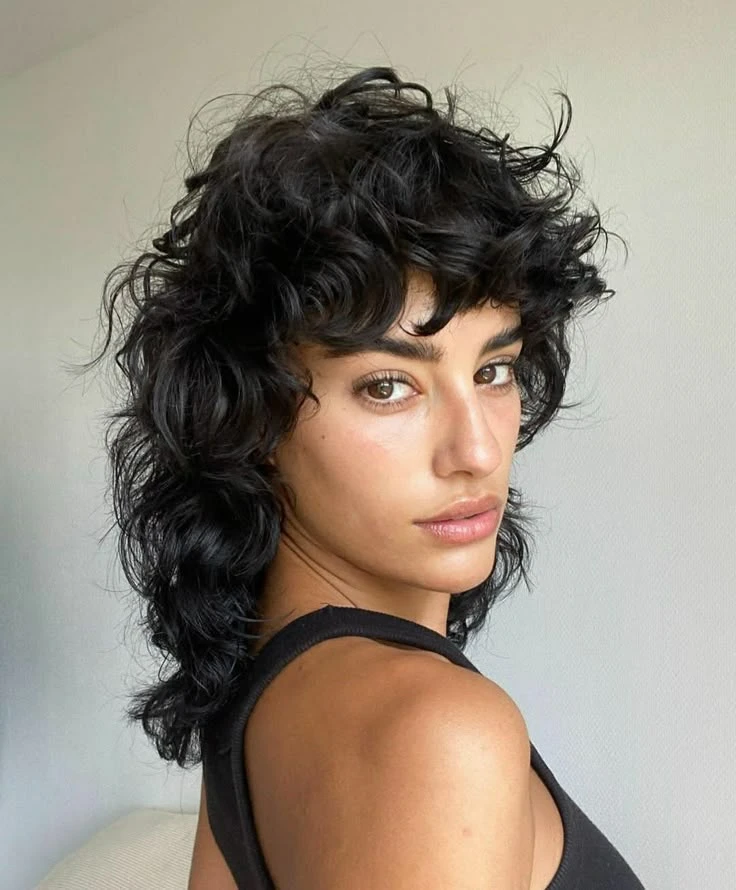
A mullet hair style for woman often overlaps with the shag. Layers around the cheekbones and crown create movement, while the back remains longer.
It can be very soft: think airy fringe, loose texture and feathered ends rather than a dramatic 1980s silhouette.
Mullet with a fade
A fade haircut mullet makes the contrast between the front and back much more deliberate. The hair is faded closely around the sides while extra length is kept through the crown and nape, giving the cut a sharper, more graphic outline. The height of the fade changes the overall effect: a low fade keeps more weight around the temples and feels easier to wear, while a mid or high fade creates a bolder separation between the short sides and longer back. It works particularly well on straight, wavy and curly hair when you want the mullet shape to look clean rather than shaggy.
Mullet by length
A mullet does not need long hair exclusively, it can be varied:
- A short mullet keeps only a small amount of extra length at the nape.
- A medium mullet gives enough hair for texture and layers without feeling dramatic.
- A long mullet can blend into a shag, especially when the difference between the sides and back is subtle.
How to Grow a Mullet
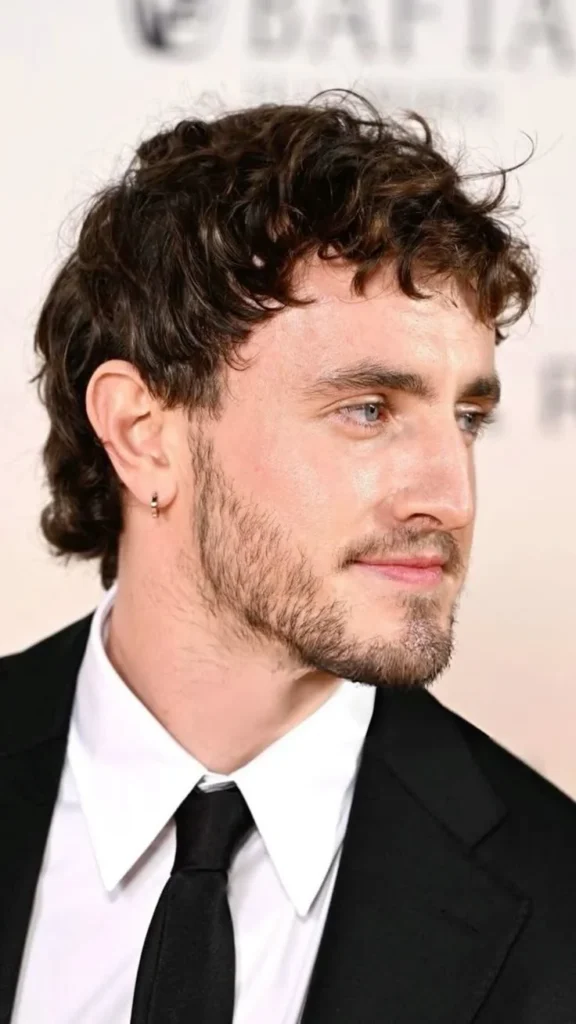
Growing a mullet does not mean simply avoiding haircuts. The key is to protect the back length while gradually shaping the front, crown and sides.
A useful approach is:
- Let the nape grow.
- Keep the front and sides shaped.
- Add crown layers once there is enough length.
- Avoid cutting the back to match the rest.
- Refine the silhouette every 6-10 weeks depending on growth and style.
The awkward stage is easier when the shape is adjusted regularly rather than left completely untouched.
How to style a mullet haircut
Most modern mullets look better with movement than with a perfectly polished finish. For everyday styling:
- apply a light volumising or texturising product to damp hair;
- direct the crown upward or slightly forward;
- define the fringe separately;
- scrunch waves and curls rather than brushing them flat;
- use a small amount of paste or cream on dry ends for separation.
A professional blow-dry can help you see how much volume and direction your cut needs at home.
If the ends become dry from frequent heat styling or colouring, occasional hair care treatments can help keep longer layers smoother and easier to style.
How to ask your stylist for a mullet
As mullet can describe dramatically different cuts, bring two or three photographs and specify:
- how long you want the back;
- how short you are comfortable going at the sides;
- whether you want a taper, fade or fuller sides;
- how much texture you like;
- whether you want a fringe;
- how much styling you are willing to do at home.
Most importantly, say what you do not want, for instance – no shaving on the sides.
PIED-DE-POULE’s method is built around agreeing the desired result before the work begins, which is particularly important with shape-led cuts where the same haircut name can mean very different things.