A hair perm works by breaking the disulfide bonds inside each strand and reforming them around a new shape. Sections are wrapped around rods, treated with a perming solution that softens the internal structure, then set with a neutraliser that locks the new curl or wave pattern in place. Nothing is added from the outside — the change happens inside the strand itself, which is why the result holds through washing, swimming and humidity rather than dropping out by evening.
Men and women come in for different reasons, but the starting complaint is usually the same: flat, thin-looking hair that won’t hold a shape without heat every day. A perm for women most often solves length that hangs dead straight or drops out of a blow-dry by lunchtime, including strands that lost their natural wave to repeated hair colouring. Perm hair for men works differently — the goal is texture, enough movement to shape with the hands, without looking obviously “done.”
Types of Hair Perms for women
Rod size and wrapping direction decide the outcome; the solution does the same job every time. Everything here processes at room temperature apart from the digital perm, which uses heat.
Loose Perm
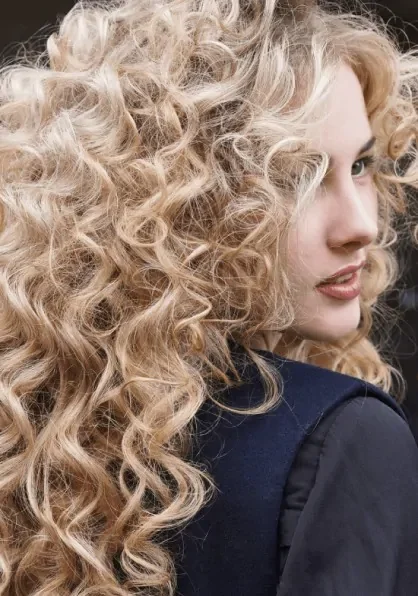
The largest rods and the softest result. The hair keeps its length and picks up a wide, slow bend with real lift at the root — volume without an obvious curl, which is what most people mean when they ask for a perm. It also grows out gradually instead of leaving a hard line at the root.
Curly Hair Perm
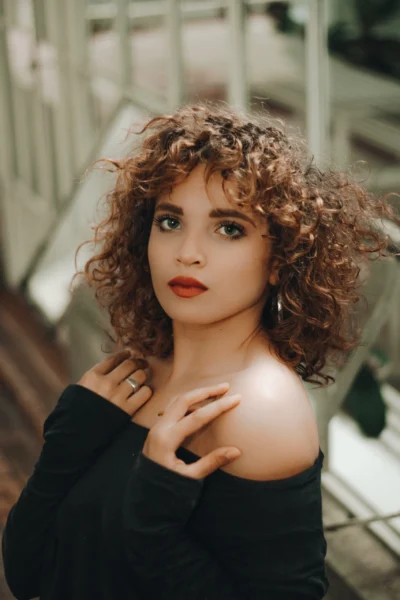
Small to medium rods, defined curl, plenty of spring. Chin length is the minimum for the curl to form properly, and it’s the closest thing to permanent curly hair on the list — the tighter pattern also gives hairstyling something to grip, so pins and twists hold where they’re placed.
Body Wave Perm
Wide rods wrapped with less tension, so the result reads as thick and moving rather than curled. Fine, flat hair gains body a blow-dry can’t give it, and longer lengths stop hanging dead straight at the ends.
Beach Wave Perm
Irregular wrapping produces an uneven S-bend, the texture you get after a day in salt water. Nothing about it looks set, and that’s the point.
Spiral Perm
Rods wrapped vertically down the strand instead of horizontally, giving corkscrew curls that fall in a column. Mid-length or longer only.
Digital Perm
Rods heated during processing, so the curl shows as it dries and drops when wet. It takes on coarse or resistant hair that won’t hold a cold perm.
Session Length and Aftercare
Hair perming runs 3 to 4 hours for spiral and digital patterns; a loose perm or body wave finishes closer to 2, with the haircut and finish built into the same appointment. Longer, thicker hair adds time at the sectioning stage rather than the processing one.
Anything coloured or bleached within the last six weeks takes a gentler solution and shorter processing time, and the strand test settles that before the full head is committed. Fine or previously processed hair usually needs a hair treatment worked into the same visit to keep the strand strong through processing. Clients growing out a perm come back for a root touch-up around the four-month mark rather than a full redo, which keeps the ends from taking unnecessary chemical damage.