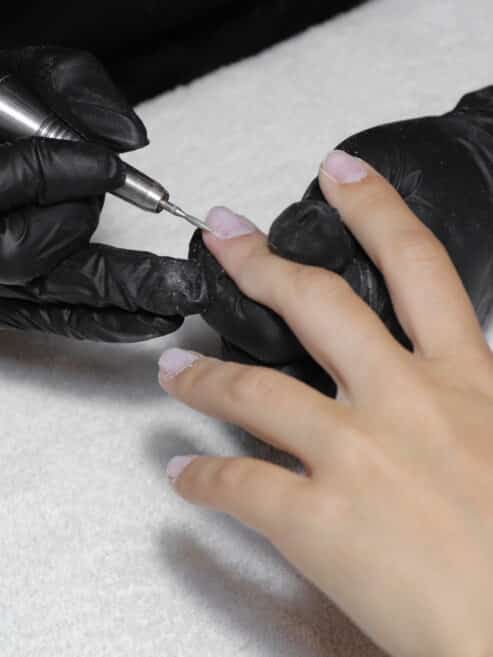
E-File Manicure (Hardware)

E-File Manicure (Hardware)

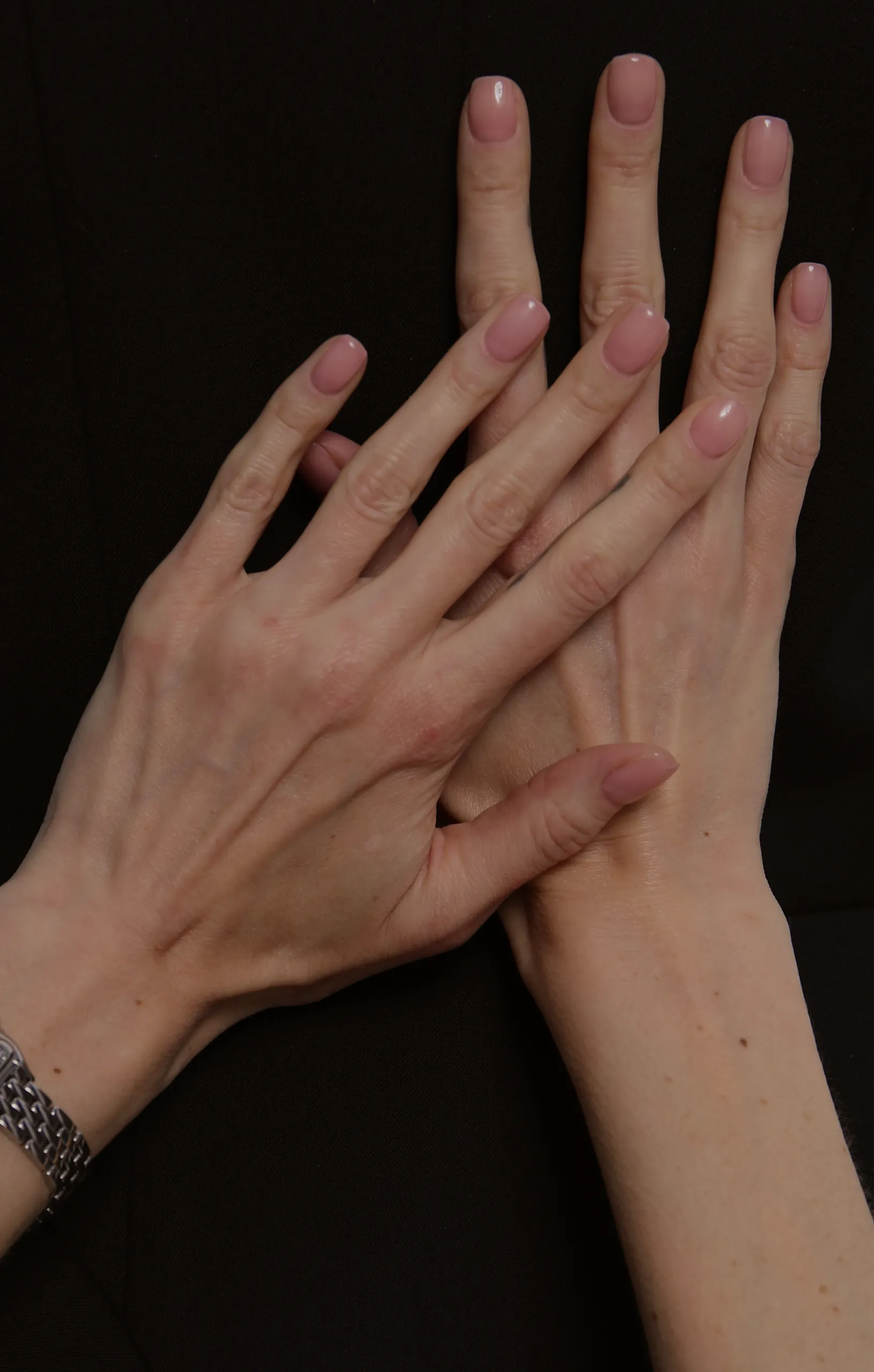
A manicure should still look fresh two weeks in. When it doesn't, the prep is where it went wrong. The e file manicure works on completely dry skin - rotating bits remove dead cuticle tissue cleanly and shape the nail plate with more control than any manual method. The result holds longer, looks cleaner, and keeps the nail healthier between visits. Available seven days a week in South Kensington and Oxford Circus.

Results That Last

Polish stays put significantly longer.

Cleaner Finish

Cuticle line neat, edges smooth and even.

No Cuts, No Risk

Blades removed from the process entirely.

Healthier Nails Over Time

Nail plate stays intact, not thinned.

What Is E-File Manicure?

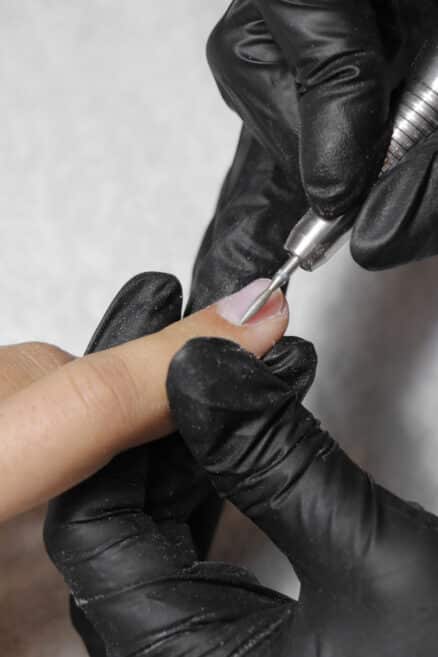
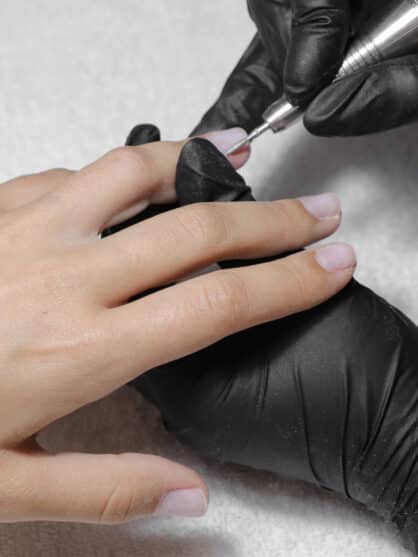
The dry manicure replaces the traditional scissors-and-water approach with a professional electric file fitted with interchangeable rotating bits. Each bit is chosen for a specific purpose – corundum attachments for the nail plate, diamond bits for the cuticle zone, felt for buffing – and the technician works on completely dry skin throughout. No soaking, no cutting. The cuticle is lifted and removed cleanly at the root, rather than pushed back or trimmed with blades that leave ragged edges and micro-wounds.

Because the nail plate is never softened in water, it keeps its natural structure. Gel polish applied over a dry, properly prepared nail bonds more evenly and lasts visibly longer than after a traditional wet manicure. The efile manicure is the standard prep method for clients who want their shellac or gel to hold for three weeks without lifting at the edges – the kind of result that comes from the base work, not the polish brand. Clients who book a shellac nail treatment after their hardware manicure consistently report better wear.

Sessions typically run 60 to 90 minutes, covering nail shaping, full cuticle work, buffing, and finish. The dry gel manicure – machine prep followed directly by gel colour application – is available as a combined appointment. For clients who prefer a natural finish, the treatment ends with nail oil and buff rather than polish. The combined manicure is an option for those who want elements of both techniques in a single session.

Read More

How the Manicure E-File Is Performed at PIED-DE-POULE

01
Consultation

Your technician checks your nail condition, cuticle thickness, and any sensitivities before selecting the appropriate bits and pressure settings. If you have had recent nail damage, gel removal, or skin reactions, this shapes the approach for the session.

02
Nail Shaping

The electric file shapes each nail to the chosen length and form — square, round, oval, or almond — with more precision than a manual file. Both sides of each nail are bevelled to prevent snagging and chipping.

03
Cuticle Work

The technician works around each nail with a fine diamond bit, removing dead skin from the cuticle zone and the lateral folds without touching living tissue. This is the core of the e file gel manicure prep and the step that determines how long the result holds.

04
Buffing

A felt or polishing attachment smooths the nail surface, removing any ridges and creating an even base. This step also stimulates mild circulation to the nail bed, which supports healthy regrowth.

05
Finish

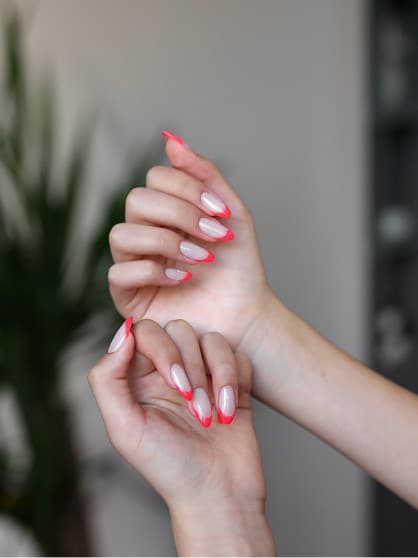
Gel colour, shellac, or a natural buff and nail oil finish is applied depending on the appointment booked. Polish is cured by lamp if gel is used; dry manicure appointments without colour end with a nourishing oil applied to the cuticle and nail plate.

06
Aftercare Guidance

Your technician covers what to avoid in the first hour — water, heat, and pressure on fresh gel — and advises on cuticle oil use between sessions to maintain the nail margin and extend the wear.

e-file manicure results

nails with e-file manicure
hardware manicure
e file manicure photo
hardware manicure in London

Time to preen your feathers

Book an appointment

Why Choose E-File Manicure

e file gel manicure
  • CUTICLE REMOVAL

    The rotating bit lifts and removes dead cuticle tissue at the root without cutting live skin, leaving a clean margin that grows back more slowly and evenly.

  • NAIL PLATE INTEGRITY

    Dry preparation keeps the nail plate at full thickness — soaking softens and temporarily weakens it, which is why wet manicures produce more peeling and breakage over time.

  • POLISH ADHESION

    Gel and shellac bond directly to a dry, buffed surface rather than one that has absorbed water, which extends wear time and prevents the edge lifting that starts within days of a wet prep.

  • REDUCED INFECTION RISK

    No open wounds from scissor work means no entry points for bacteria or fungi — a meaningful difference for clients with sensitive skin or a history of nail infections.

FAQ

  • What is the difference between hardware and a regular manicure?

    Hardware manicure uses an electric file on dry skin instead of scissors and water, removing cuticle tissue more cleanly and leaving the nail plate at full strength. The finish lasts longer and carries lower risk of cuts or infection.

  • Does the electric file hurt?

    In skilled hands, no — the bit rotates at a controlled speed and the technician adjusts pressure continuously. There may be mild warmth on the nail plate, which is normal and brief.

  • How long does a session take?

    A hardware manicure without colour takes around 60 minutes. With gel or shellac added, allow 75 to 90 minutes.

  • Can I book if my nails are damaged or very thin?

    Yes, but mention this at consultation so the technician can select finer bits and lighter pressure. Machine prep is often gentler on compromised nails than scissor work.

  • How long will gel polish last after an e file manicure?

    Most clients see three to four weeks of wear without significant lifting when gel is applied over a dry machine prep. Results vary with nail growth rate and aftercare.

  • How soon can I have machine manicure after removing acrylic or hard gel extensions?

    Wait until the nail plate has recovered — typically two to four weeks — or discuss the current condition at consultation so the technician can assess whether prep work is safe at that thickness.

  • Language:
  • Choose a location:
    Book Now