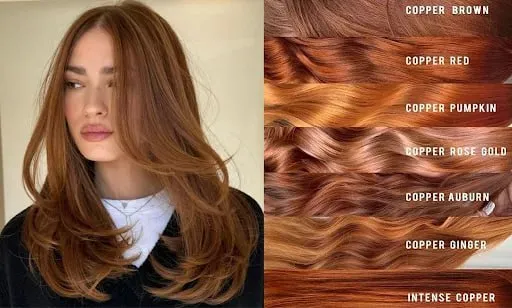
Copper hair belongs to that spectrum of shades that includes reddish, goldish, and brownish tones. This is the very reason why copper hair may appear completely natural for some people, bright for some, and refined for others.
It is not easy to achieve the right effect just by picking up a color based on some picture alone. There are plenty of other factors that must be considered by a professional, including the natural condition of hair, its artificial colouring, undertones of the skin, eye color, texture, and level of maintenance required.
Copper hair can be created all over the head, used for highlights, and even incorporated into balayage. It suits pixie cuts, bobs, curls, and long hairstyles.
What colour is copper on hair?
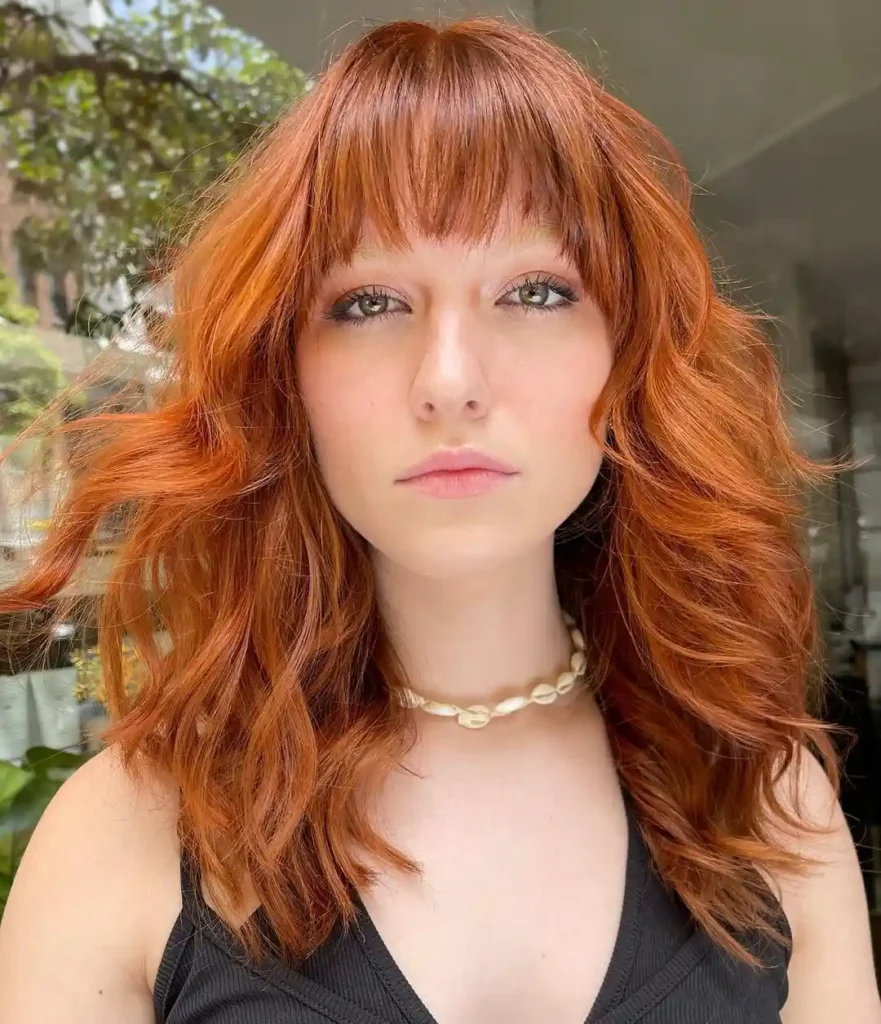
Copper is a warm hair colour built from orange, red and golden pigments. Depending on their proportions, it may appear as pale strawberry blonde, polished copper, deep copper brown or an intense copper red.
Unlike a single flat shade, professionally created copper usually contains several tones. Lighter sections reflect gold, the mid-lengths may read as orange-red, and deeper strands create dimension.
This is particularly important in London light. A colour that looks muted indoors may appear much brighter in direct daylight, so references should ideally be viewed in several lighting conditions before the final tone is agreed.
For a complete colour change, start with a professional hair colouring consultation. The colourist can assess what is already present in the hair and whether lightening, filling or colour correction will be needed.
Best shades of copper hair
Copper is a colour family rather than one fixed formula. These are some of its most wearable variations:
- Light copper: a soft orange-gold shade, usually best on light blonde or dark blonde bases.
- Copper blonde: blonde remains dominant, with enough copper pigment to create warmth.
- Golden copper: luminous and warm, with more gold and less visible red.
- Natural copper hair: balanced red, orange and gold designed to resemble naturally red hair.
- Bright copper hair: a clear, saturated orange-red that makes a deliberate statement.
- Copper red hair: stronger red pigment with a warm copper reflection.
- Copper brown hair: a brunette base illuminated with amber and copper tones.
- Dark copper hair: rich, polished and deeper than classic ginger.
- Cowboy copper: a brown-led copper with leather, caramel and cinnamon tones.
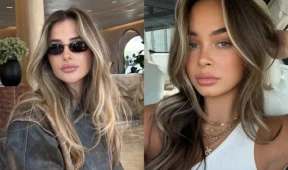
- Copper balayage: ribbons of copper placed through a darker or more neutral base.
Fine babylights can add a copper shimmer without changing the whole base. For a stronger but still blended result, balayage allows the colourist to concentrate warmth around the face and through the ends.
Copper vs Auburn vs Ginger Hair
The names are often used interchangeably, but they describe different balances of pigment.
| Colour | Dominant tones | General appearance | Typical depth |
| Copper | Orange, gold and red | Clear, warm and reflective | Light to dark |
| Auburn | Red and brown | Deeper and more brunette-led | Medium to dark |
| Ginger | Orange and gold | Light, natural-looking red | Light to medium |
Copper is usually brighter than auburn and more saturated than natural ginger. Auburn is a useful option for brunettes who want warmth without a distinctly orange result. Ginger tends to look softer, particularly when it includes beige or golden strands.
There is also a variation of copper-like hair created by the renowned hairstylist Franck Provost. He called it Ambre Venitien, which is a mix of transitions from chestnut to radiant copper, creating a unique gradient.
Which skin tone suits copper hair?

Most skin tones can wear copper, but not necessarily the same copper. A useful starting point is the skin’s undertone rather than how light or deep the complexion is.
| Copper shade | Skin undertone | Eye colours it often complements | Maintenance |
| Strawberry or copper blonde | Cool, neutral | Blue, grey, light green | Medium |
| Golden copper | Warm, neutral | Hazel, green, warm brown | Medium |
| Natural copper | Neutral, peach | Green, blue, hazel | Medium–high |
| Bright copper | Neutral, warm | Green, dark brown, blue | High |
| Copper brown | Warm, olive, neutral | Brown, amber, hazel | Low–medium |
| Dark copper or auburn copper | Neutral, olive, deep warm | Brown, black, green | Medium |
| Cowboy copper | Warm, neutral, olive | Hazel, brown, green | Medium |
Cool or rosy skin often benefits from a controlled copper containing strawberry, beige or muted red tones. An extremely yellow-orange formula can exaggerate redness, while a slightly softer copper creates contrast without overwhelming the complexion.
Golden copper, amber, cinnamon and copper brown tend to sit naturally beside warm or olive undertones. Depth matters here: a dark brunette base may suit cowboy copper or rich auburn-copper better than a very pale orange.
Neutral undertones generally offer the widest choice. The decision can be guided by eye colour, wardrobe and the desired level of contrast.
Choosing copper hair by eye colour
Copper can make eye colour appear clearer because warm hair creates contrast around the face:
- Green eyes are often emphasised by true copper, cinnamon and auburn tones. Red and green sit opposite each other in colour theory, so the contrast is naturally noticeable.
- Blue and grey eyes tend to stand out beside strawberry copper, copper blonde and softer golden shades.
- Hazel eyes work well with amber, caramel and cowboy copper because these colours repeat the golden flecks commonly found in the iris.
- Brown eyes can carry deeper shades, including dark copper, copper brown and saturated red-copper. Fine golden pieces around the face prevent the result from becoming visually heavy.
Eye colour is useful, but it should not override the skin undertone or starting hair level. All three need to work together.
The best copper for your natural hair colour
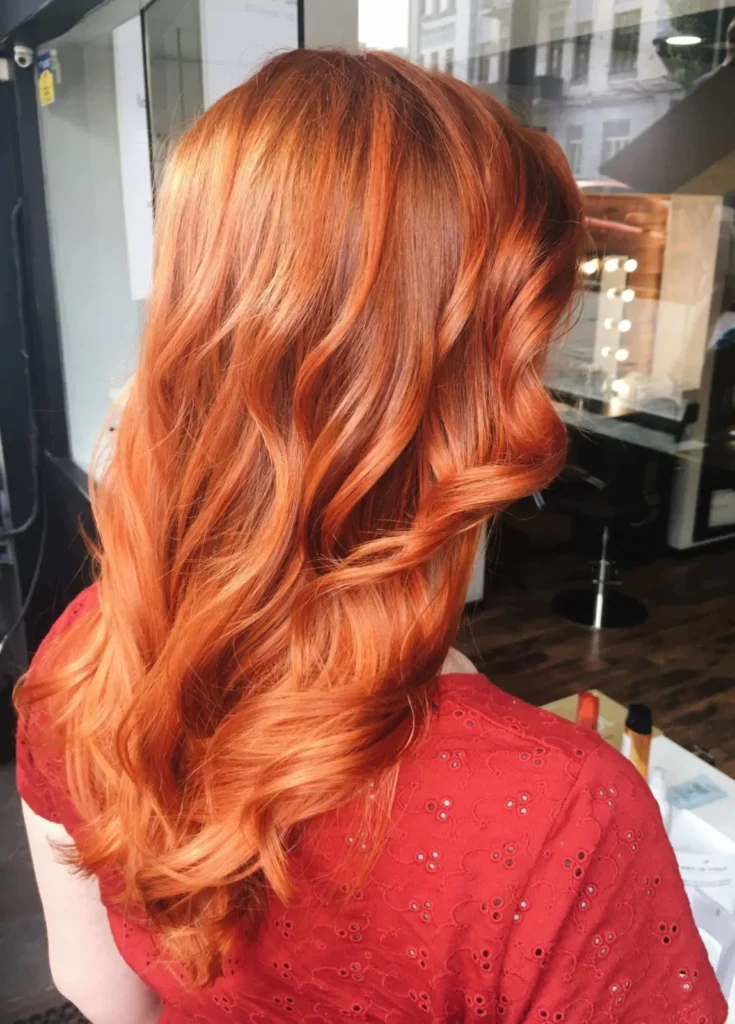
Blonde hair
Blonde hair usually accepts copper pigment readily. That can be an advantage, but also means the result may appear brighter than expected. Pale blonde bases suit copper blonde, strawberry copper and soft apricot tones.
A toning service may be enough when only a subtle copper reflection is required.
Light brown hair
Light brown is one of the most flexible starting points. Natural copper, amber and copper brown can often be achieved without extensive lightening, depending on previous colour history.
With light brown hair, AirTouch and copper can be combined by lightening selected sections first, then applying a copper toner or colour over the softened lengths. The AirTouch technique creates a diffused blend between the natural root and lighter strands, while the copper formula adds warmth and depth.
Dark brown and black hair
Copper needs visible light reflection, so very dark hair typically requires some degree of lifting for brighter results. The hair does not always need to become blonde: creating selected lighter sections may be sufficient for copper highlights or balayage.
Highlights are a practical way to introduce warmth while retaining most of the natural depth.
Previously coloured hair
Artificial colour does not reliably lift artificial colour. Box dye, henna, dark permanent colour and repeated toning can all affect the plan. A strand test helps show how evenly the existing pigment will lift and whether the intended copper can be reached safely in one appointment.
Copper hair for different lengths and textures

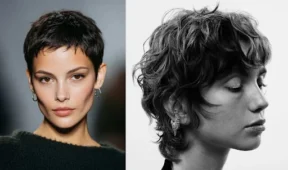
Short copper hair
On a pixie or short crop, the colour is seen as one concentrated shape. Bright copper can look graphic and modern, while a darker root adds depth and makes regrowth less obvious.
Copper bobs and medium-length hair
A bob shows both the surface colour and the movement underneath. Subtle variations through the ends prevent copper from looking flat, especially on sleek, blunt cuts.
Long copper hair
Long hair provides room for gradients, balayage and ombré. However, older ends may be more porous and can absorb pigment differently from the roots. The formula may need to change along the length to keep the final colour even.
A copper ombré works particularly well when a natural brunette root is retained and the copper becomes brighter towards the ends.
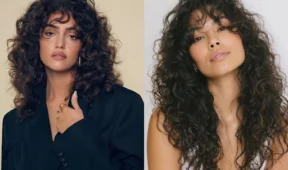
Curly and textured copper hair
Curls break up reflected light, so several related copper shades often create more definition than a single block colour. Carefully positioned lighter pieces can outline the curl pattern without requiring every strand to be lifted.
Benefits and drawbacks of copper hair colour
Benefits:
- Copper can be adjusted from almost blonde to deep brunette.
- Warm reflections make the hair appear more dimensional.
- It can emphasise blue, green, hazel and brown eyes alike.
- Partial techniques allow clients to try copper without committing to full colour.
- A darker root can make regrowth softer and more manageable.
- Copper works across short, medium and long hair.
Drawbacks:
- Red and copper pigments can lose intensity comparatively quickly.
- The shade may appear different under warm indoor light and cool daylight.
- Bright copper usually needs regular glossing or toning.
- Porous ends may become brighter or darker than healthier sections.
- Going from dark artificial colour to bright copper may take more than one appointment.
- Returning to a cool blonde or ash brunette can require more complex colour correction.
How to maintain copper hair colour
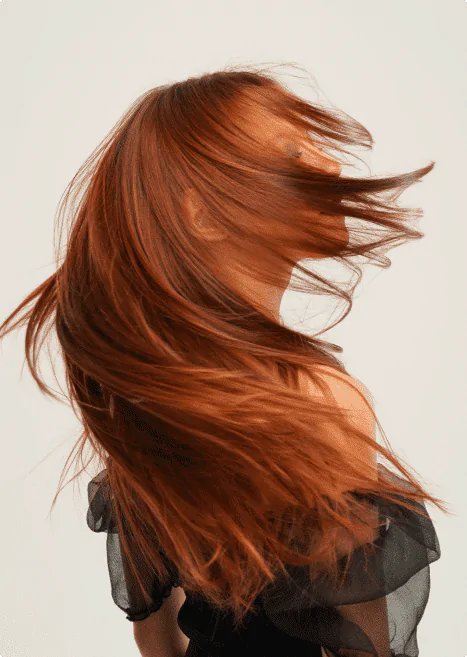
Good maintenance means reducing unnecessary pigment loss and protecting the condition of the hair. As with other colouring techniques, to keep the tones safe and sound, you need to follow the standard rules:
- Wait before the first wash. Follow the colourist’s recommendation before shampooing freshly coloured hair.
- Use comfortably warm rather than very hot water, as high temperatures can leave the cuticle more raised and the hair feeling rougher.
- Choose colour-safe products – harsh cleansing routine may remove pigment more quickly.
- Use heat protection. Straighteners, curling tools and frequent high-temperature blow-dries can affect shine and condition.
- Protect hair from strong sun. UV exposure contributes to colour degradation as well as dryness.
- Be careful with chlorine, wet the hair with fresh water before swimming in a pool to prevent excessive drying out, and rinse it afterwards.
- Refresh the tone professionally. A gloss or toner can restore copper without repeating a full permanent colour service.
Professional hair care treatments may also be recommended when the hair has been lightened or feels dry after previous chemical services.
Сommon copper hair colour mistakes
- Ignoring the difference between warm, cool and neutral skin undertones.
- Expecting dark permanent colour to become bright copper in one simple step.
- Applying one formula from roots to porous ends.
- Making naturally fine hair too dark and visually dense.
- Forgetting that bright copper needs tonal refreshes.
- Using heavily edited reference images.
- Skipping the patch test or strand test.
- Trying to neutralise fading with an unsuitable purple shampoo.